THE ADVENTURE COLLECTIVE® · Independent discovery and booking for outdoor travel

Catch the Gatimaan Express for a focused day in Agra: two hours at the Taj Mahal, a deep look at Agra Fort, and time with local inlay artisans. This guide explains the itinerary, history, and practical tips to make the day smooth.
Catch the Gatimaan Express for a focused day in Agra: two hours at the Taj Mahal, a deep look at Agra Fort, and time with local inlay artisans. This guide explains the itinerary, history, and practical tips to make the day smooth.
Steam is gone but speed remains: you step onto the Gatimaan Express in New Delhi and watch the plains of Uttar Pradesh unfold for 1 hour 40 minutes—rice paddies, scrub, and the Yamuna’s low ribbon guiding you toward Agra.
Verified experiences and guided adventures in the surrounding area.
Operated by Anaisha journey · Agra, Uttar Pradesh
Steam is gone but speed remains: you step onto the Gatimaan Express in New Delhi and watch the plains of Uttar Pradesh unfold for 1 hour 40 minutes—rice paddies, scrub, and the Yamuna’s low ribbon guiding you toward Agra.
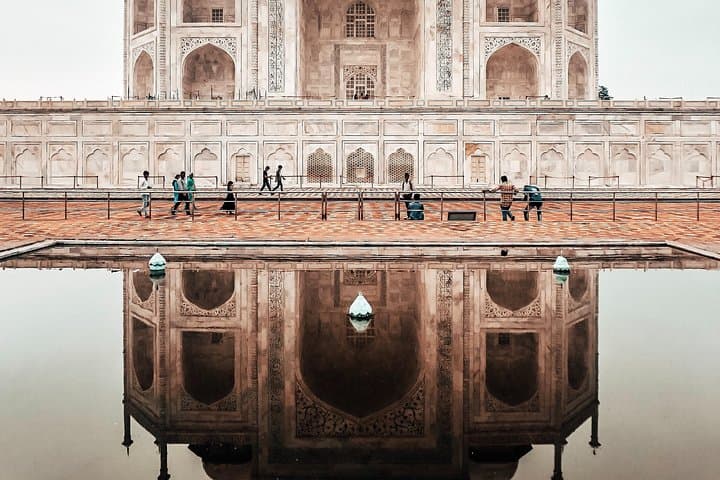
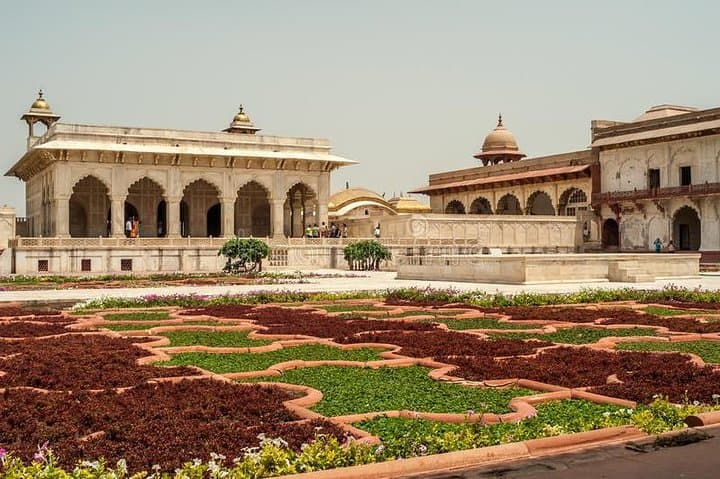
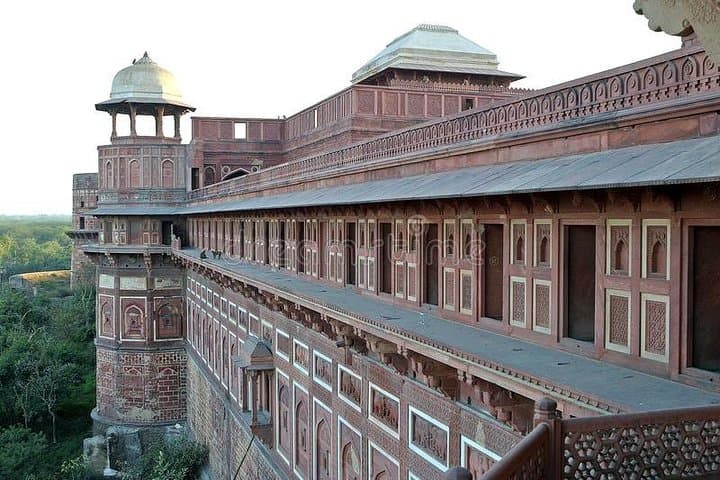
The day centers on two Mughal giants. The Taj Mahal, raised by Shah Jahan in memory of Mumtaz in the 17th century, sits on a raised marble plinth carved from Makrana stone; expect strong symmetry, pietra dura inlay work, and the slow pull of the Yamuna behind it. Agra Fort, a red-sandstone citadel begun under Akbar, gives a sterner, linear counterpoint—bastions, chambers, and courtyards that map Mughal power.
Between monuments the city shows craft: marble inlay workshops where artisans fit colored stone into white marble, and bustling bazaars selling lac bangles and embroidered textiles. Mehtab Bagh across the river offers a quieter reflection of the Taj if you need a less crowded vantage.
Practically: departures and returns are strict—train seats, entry tickets, and a guided schedule keep the day tight. ID is required for rail travel; the tour includes round-trip Gatimaan tickets, lunch, and entrance fees. Wear sturdy walking shoes, sun protection, and modest clothing for the mausoleum. Expect about 2 hours at the Taj, a buffet lunch, then a 2-hour visit to Agra Fort before an evening return to Delhi. Bring a refillable bottle, patience for crowds, and a camera ready for shifting light over marble.
easy.
9–10 hours.
Minimal fitness required—activity involves moderate walking on paved and sometimes uneven surfaces; suitable for most travelers.
Yes—carry a government-issued photo ID or passport; Indian citizens should bring an Aadhaar or other ID, and foreigners must carry their passport for rail checks and monument entry.
The Taj Mahal is closed on Fridays for prayers; plan tours on other days and confirm the date before booking.
Yes—the tour includes round-trip Gatimaan rail tickets, entrance fees for included sites, and a buffet lunch as stated in the itinerary.
The tour provider lists wheelchair-accessible options; however, some historic surfaces and ramps at monuments can be uneven—check specific accessibility needs when booking.
Agra rose to prominence under the Mughals: Akbar expanded the fort and Shah Jahan built the Taj Mahal in the 17th century as a mausoleum for Mumtaz Mahal.
Air quality and tourism pressure have prompted conservation measures for the Taj and Agra’s monuments; visitors are encouraged to minimize single-use plastics and follow site rules to protect delicate marble and inlay work.
Anaisha journey operates guided outdoor trips and adventures with an emphasis on safety, stewardship, and memorable experiences.

Steam is gone but speed remains: you step onto the Gatimaan Express in New Delhi and watch the plains of Uttar Pradesh unfold for 1 hour 40 minutes—rice paddies, scrub, and the Yamuna’s low ribbon guiding you toward Agra.
Steam is gone but speed remains: you step onto the Gatimaan Express in New Delhi and watch the plains of Uttar Pradesh unfold for 1 hour 40 minutes—rice paddies, scrub, and the Yamuna’s low ribbon guiding you toward Agra.
The day centers on two Mughal giants. The Taj Mahal, raised by Shah Jahan in memory of Mumtaz in the 17th century, sits on a raised marble plinth carved from Makrana stone; expect strong symmetry, pietra dura inlay work, and the slow pull of the Yamuna behind it. Agra Fort, a red-sandstone citadel begun under Akbar, gives a sterner, linear counterpoint—bastions, chambers, and courtyards that map Mughal power.
Between monuments the city shows craft: marble inlay workshops where artisans fit colored stone into white marble, and bustling bazaars selling lac bangles and embroidered textiles. Mehtab Bagh across the river offers a quieter reflection of the Taj if you need a less crowded vantage.
Practically: departures and returns are strict—train seats, entry tickets, and a guided schedule keep the day tight. ID is required for rail travel; the tour includes round-trip Gatimaan tickets, lunch, and entrance fees. Wear sturdy walking shoes, sun protection, and modest clothing for the mausoleum. Expect about 2 hours at the Taj, a buffet lunch, then a 2-hour visit to Agra Fort before an evening return to Delhi. Bring a refillable bottle, patience for crowds, and a camera ready for shifting light over marble.