THE ADVENTURE COLLECTIVE® · Independent discovery and booking for outdoor travel

Walk from the Gateway of India to the historic Fountain with an app‑led audio guide that turns Mumbai’s colonial streets into a living history tour. Download once, walk at your own pace, and listen to archival stories, architecture notes and local tips as you go.
Walk from the Gateway of India to the historic Fountain with an app‑led audio guide that turns Mumbai’s colonial streets into a living history tour. Download once, walk at your own pace, and listen to archival stories, architecture notes and local tips as you go.
You step out onto the Promenade and the sea breathes at your feet — gulls wheel, vendors call, and the Gateway of India stands like an open door to the city’s past.
Verified experiences and guided adventures in the surrounding area.
Operated by HopOn India · Mumbai, Maharashtra
You step out onto the Promenade and the sea breathes at your feet — gulls wheel, vendors call, and the Gateway of India stands like an open door to the city’s past.
This self-guided audio walk on the HopOn India app threads between two historic anchors: the Gateway's Indo‑Saracenic arches and the Fountain's colonial junctions. The route follows reclaimed shoreline and nineteenth‑century boulevards where cotton traders, mariners and colonial administrators once shaped Bombay. Architecture here reads like a history lesson in stone: Bombay Gothic facades, Byzantine domes of the Taj Mahal Palace and the clockwork chime of Rajabai Tower all recall trade, empire and the city’s rapid urban reclamation.
Colaba Causeway and Kala Ghoda carry the cultural pulse — markets, cafes and art galleries that grew out of the island’s transformation from tidal flats to metropolitan grid. Food stalls on Tulloch Road and old‑world cafes like Leopold anchor the route in contemporary city life.
Practical notes: the walk is 1.5–2 hours at a relaxed pace, mostly flat paved streets with crowded sections on market days. Download the HopOn audio and maps before you start, carry a charged phone and headphones, and plan mornings or late afternoons to avoid peak heat and market congestion. Wear comfortable shoes, bring water, and allow time for short detours to museums or a quick bite on Colaba Causeway.
The audio format gives context at each stop, letting you set your own pace while the city unfolds around you — an urban stroll that’s equal parts history lesson and sensory city ramble.
easy.
1.5–2 hours.
Suitable for most walkers; basic urban stamina and mobility for uneven pavements required
You can download the audio and map in advance on the HopOn app to use offline; live data isn’t required once downloaded.
Much of the route is on paved roads but some sections have crowded markets, steps or uneven curbs—accessibility is mixed; check specific stops ahead.
This product is app‑led and designed for independent use; local guide options exist in Mumbai if you prefer a live interpreter.
HopOn typically offers English narration and may include other languages—check the app listing for available languages before booking.
This area was central to Bombay’s transformation from tidal islands to a colonial port — buildings combine Indo‑Saracenic detail with Gothic and Byzantine influences from the 19th century.
Respect heritage zones by not touching carvings or leaving litter; support local conservation by visiting museums and buying from authorized vendors.
HopOn India operates guided outdoor trips and adventures with an emphasis on safety, stewardship, and memorable experiences.
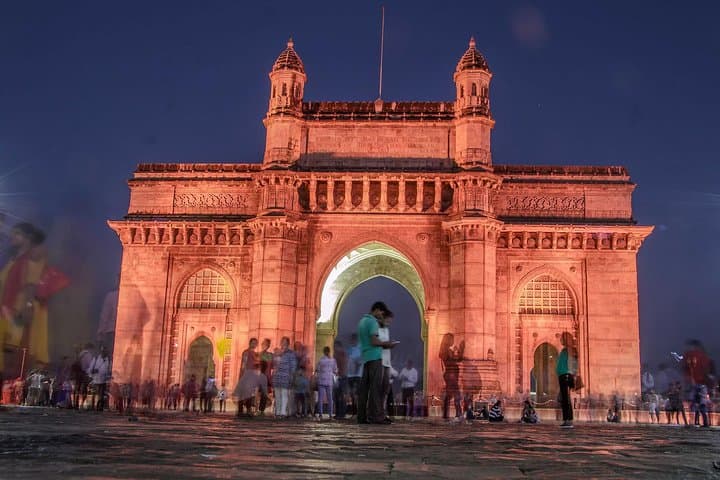

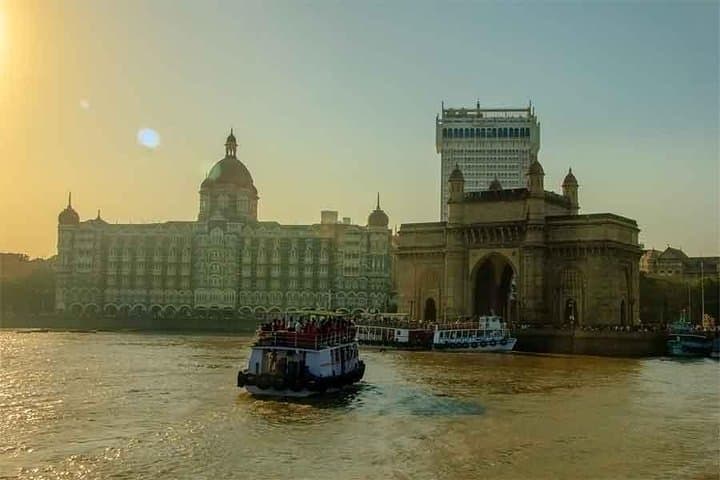

You step out onto the Promenade and the sea breathes at your feet — gulls wheel, vendors call, and the Gateway of India stands like an open door to the city’s past.
You step out onto the Promenade and the sea breathes at your feet — gulls wheel, vendors call, and the Gateway of India stands like an open door to the city’s past.
This self-guided audio walk on the HopOn India app threads between two historic anchors: the Gateway's Indo‑Saracenic arches and the Fountain's colonial junctions. The route follows reclaimed shoreline and nineteenth‑century boulevards where cotton traders, mariners and colonial administrators once shaped Bombay. Architecture here reads like a history lesson in stone: Bombay Gothic facades, Byzantine domes of the Taj Mahal Palace and the clockwork chime of Rajabai Tower all recall trade, empire and the city’s rapid urban reclamation.
Colaba Causeway and Kala Ghoda carry the cultural pulse — markets, cafes and art galleries that grew out of the island’s transformation from tidal flats to metropolitan grid. Food stalls on Tulloch Road and old‑world cafes like Leopold anchor the route in contemporary city life.
Practical notes: the walk is 1.5–2 hours at a relaxed pace, mostly flat paved streets with crowded sections on market days. Download the HopOn audio and maps before you start, carry a charged phone and headphones, and plan mornings or late afternoons to avoid peak heat and market congestion. Wear comfortable shoes, bring water, and allow time for short detours to museums or a quick bite on Colaba Causeway.
The audio format gives context at each stop, letting you set your own pace while the city unfolds around you — an urban stroll that’s equal parts history lesson and sensory city ramble.