THE ADVENTURE COLLECTIVE® · Independent discovery and booking for outdoor travel

Walk through the Gate City’s layered past on a guided hour-long tour of downtown Greensboro. Explore sites from the Blandwood Mansion to the Carolina Theatre while learning about the city’s role in labor, education, and the Underground Railroad.
Walk through the Gate City’s layered past on a guided hour-long tour of downtown Greensboro. Explore sites from the Blandwood Mansion to the Carolina Theatre while learning about the city’s role in labor, education, and the Underground Railroad.
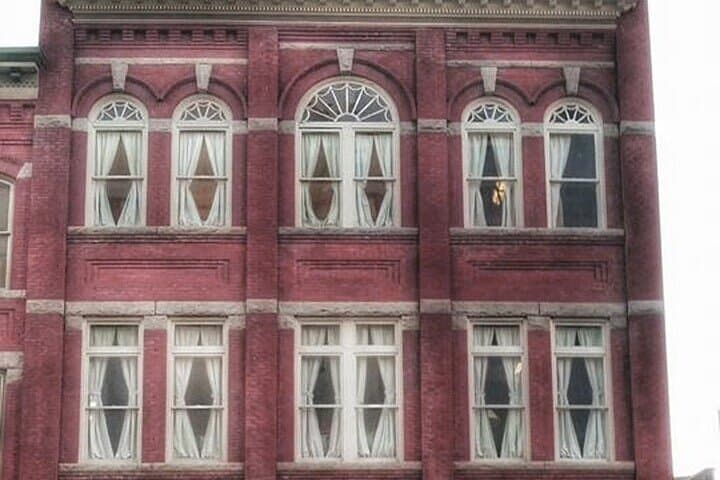
You step off a shaded South Greene Street curb and the city leans in — brick facades watching, streetcars long gone but their routes still readable in the block patterns beneath your feet. The guide begins, voice low over traffic noise, and the downtown grid opens into a sequence of civic theaters, insurance buildings, and a mansion that once commanded the town’s social life.
Verified experiences and guided adventures in the surrounding area.
Operated by Triangle Walking Tours: Greensboro · Greensboro, North Carolina
You step off a shaded South Greene Street curb and the city leans in — brick facades watching, streetcars long gone but their routes still readable in the block patterns beneath your feet. The guide begins, voice low over traffic noise, and the downtown grid opens into a sequence of civic theaters, insurance buildings, and a mansion that once commanded the town’s social life.
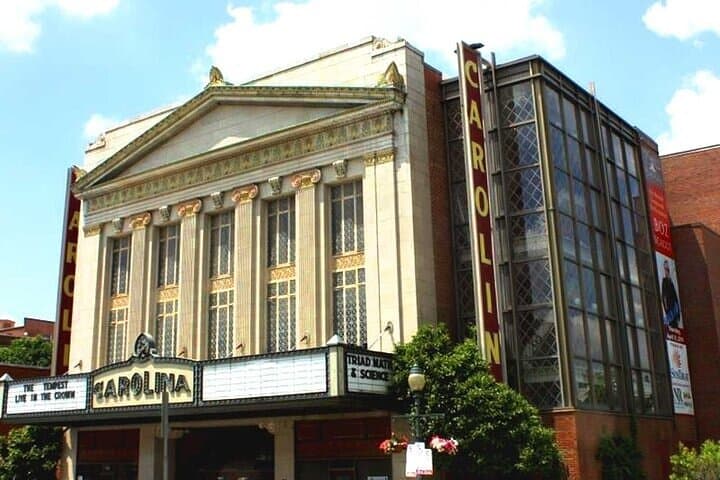
Greensboro’s story shows in hard facts: a critical stop on the Underground Railroad, home to some of the largest textile mills in the industrial era, and an early center for women’s higher education. The geology is modest — Piedmont rolling, clay-rich soils and mica flecks in older foundations — but the cultural layers are deep. Architecture ranges from antebellum residences to early 20th-century commercial blocks and the ornate Carolina Theatre marquee that still claims center stage.
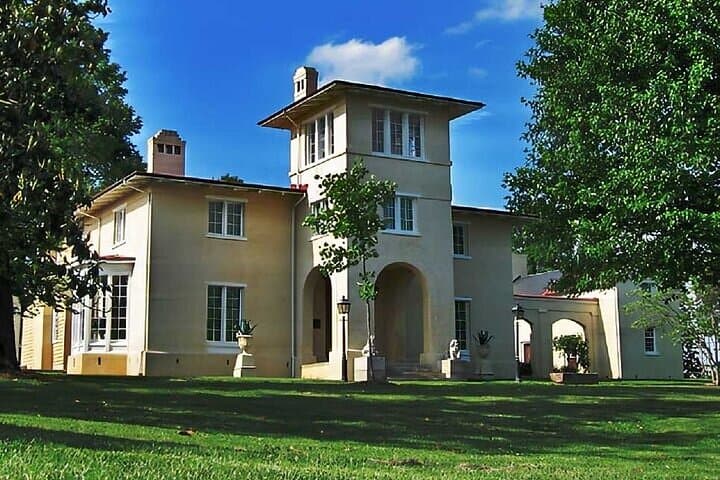
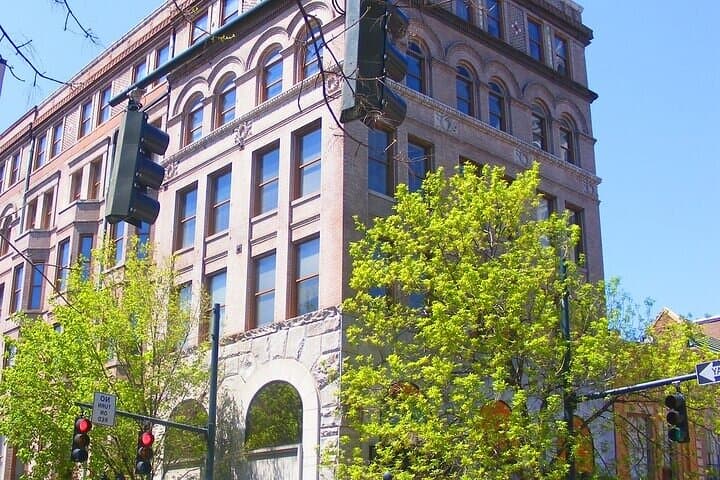
As you move between stops like Blandwood Mansion and the Dixie Insurance Building, the city’s past nudges the present: civic planning, labor history, and the shifting uses of public space. Local insights include quick detours to public art on South Elm and a stop for a coffee at an independent café that keeps the tour connected to neighborhood life.
Practical guidance: the walk covers paved sidewalks and city streets over roughly one mile and lasts about an hour; it’s flat but includes curbs and occasional stairs at historic sites. Wear comfortable shoes, bring water if it’s hot, and plan to arrive 10 minutes early to meet outside The Bodega on South Greene St. This is an accessible, interpretation-focused experience best enjoyed with a curious pair of ears and comfortable feet.
easy.
1 hour.
Suitable for most fitness levels; expect light walking on paved urban surfaces
The guided walking tour runs approximately 60 minutes and covers roughly one mile through downtown Greensboro.
Meet outside The Bodega on South Greene Street; the guide will check tickets and start promptly.
The operator lists the tour as wheelchair accessible, but note that older sidewalks and curb conditions can vary—contact the operator with specific accessibility needs before booking.
Admissions are generally not applicable; the tour focuses on exterior visits and interpretation rather than paid entry to all interiors.
Greensboro served as a southern terminus on Underground Railroad routes and later became a textile and educational hub that shaped the city’s civic institutions.
Support local preservation by staying on sidewalks, avoiding damage to historic fabric, and choosing local businesses for refreshments to keep downtown vibrant.
Triangle Walking Tours: Greensboro operates guided outdoor trips and adventures with an emphasis on safety, stewardship, and memorable experiences.
You step off a shaded South Greene Street curb and the city leans in — brick facades watching, streetcars long gone but their routes still readable in the block patterns beneath your feet. The guide begins, voice low over traffic noise, and the downtown grid opens into a sequence of civic theaters, insurance buildings, and a mansion that once commanded the town’s social life.
You step off a shaded South Greene Street curb and the city leans in — brick facades watching, streetcars long gone but their routes still readable in the block patterns beneath your feet. The guide begins, voice low over traffic noise, and the downtown grid opens into a sequence of civic theaters, insurance buildings, and a mansion that once commanded the town’s social life.
Greensboro’s story shows in hard facts: a critical stop on the Underground Railroad, home to some of the largest textile mills in the industrial era, and an early center for women’s higher education. The geology is modest — Piedmont rolling, clay-rich soils and mica flecks in older foundations — but the cultural layers are deep. Architecture ranges from antebellum residences to early 20th-century commercial blocks and the ornate Carolina Theatre marquee that still claims center stage.
As you move between stops like Blandwood Mansion and the Dixie Insurance Building, the city’s past nudges the present: civic planning, labor history, and the shifting uses of public space. Local insights include quick detours to public art on South Elm and a stop for a coffee at an independent café that keeps the tour connected to neighborhood life.
Practical guidance: the walk covers paved sidewalks and city streets over roughly one mile and lasts about an hour; it’s flat but includes curbs and occasional stairs at historic sites. Wear comfortable shoes, bring water if it’s hot, and plan to arrive 10 minutes early to meet outside The Bodega on South Greene St. This is an accessible, interpretation-focused experience best enjoyed with a curious pair of ears and comfortable feet.