THE ADVENTURE COLLECTIVE® · Independent discovery and booking for outdoor travel

A full-scale 8,000‑meter expedition into the Karakoram: long glacier approaches, technical ice and high‑camp strategy lead to Gasherbrum II. Expect demanding acclimatization, local Balti hospitality and jaw-dropping Concordia scenery.
A full-scale 8,000‑meter expedition into the Karakoram: long glacier approaches, technical ice and high‑camp strategy lead to Gasherbrum II. Expect demanding acclimatization, local Balti hospitality and jaw-dropping Concordia scenery.
You stand at the edge of the Baltoro Glacier as an early light scours the ice—each serac a pale wall, each moraine a bruised ridge leading toward an impossible skyline. The air is thin and cold; the mountains loom like patient giants. Flights into Skardu cut across valleys to reveal K2 and, on a clear day, Nanga Parbat far to the west. From that first view the aim becomes concrete: Gasherbrum II, an 8,000-meter peak carved from granite and snow.
Verified experiences and guided adventures in the surrounding area.
Operated by Trango Adventure · Skardu, Gilgit-Baltistan
You stand at the edge of the Baltoro Glacier as an early light scours the ice—each serac a pale wall, each moraine a bruised ridge leading toward an impossible skyline. The air is thin and cold; the mountains loom like patient giants. Flights into Skardu cut across valleys to reveal K2 and, on a clear day, Nanga Parbat far to the west. From that first view the aim becomes concrete: Gasherbrum II, an 8,000-meter peak carved from granite and snow.
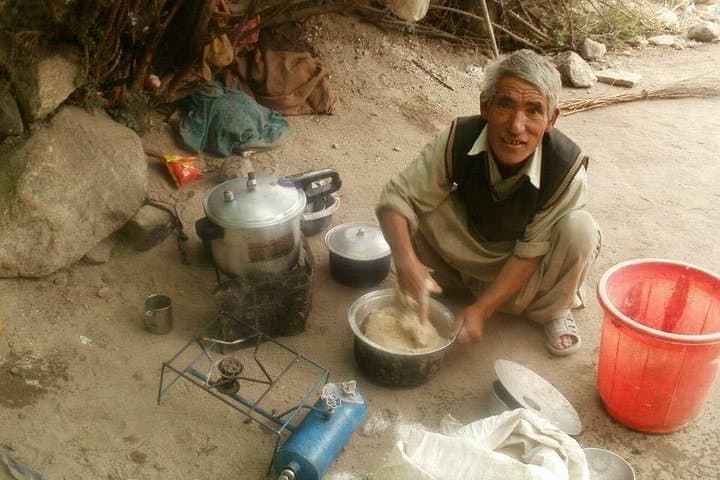
The Karakoram is a young, restless range shaped by rapid uplift and glacier-fed erosion; the Baltoro and Concordia areas have been the route for expeditions for over a century. The Balti people—whose language and culture bridge Central and South Asia—host climbers in Skardu and Askole, offering local cuisine and practical knowledge that can make or break an approach.
Expect long glacier marches, crevasse-prone travel, technical ice pitches and a rigid acclimatization schedule. Typical logistics include jeep approaches from Skardu to Askole, days on the Baltoro to Concordia, and staged high camps. Weather windows favor summer months (June–August) but storms and high winds are common.
Practical advice: build months of aerobic base and heavy-pack conditioning; train on mixed ice and rock if possible. Bring layered insulation for -20°C nights, certified crampons and a harness, and plan for a liaison officer, permits and local high-altitude porters. Respect crevasse hazards, altitude illness protocols and the fragile glacial environment—pack out waste and follow local conservation rules. This is not a guided hike but a full expedition: it will test endurance and judgment and reward with some of the most remote, towering views on Earth.
expert.
3–4 weeks (≈22 days).
Very high aerobic endurance and strength; experienced at prolonged load carriage at altitude
Main expedition season runs June–August when the jet stream shifts and brief weather windows open; teams may wait several days for a safe summit push.
Yes—permits and a Pakistani liaison are required; organizers typically handle paperwork but allow lead time for approvals.
Gasherbrum II involves glacier travel, crevassed approaches and technical ice/steep snow above base camp—prior high-altitude experience is essential.
Acute mountain sickness, frostbite and dehydration are primary concerns; carry a pulse oximeter, first aid kit and be prepared to descend immediately if symptoms worsen.
Baltistan has been a crossroads of traders and climbers; modern expeditions followed explorers in the early 20th century who mapped the Baltoro and Concordia routes.
Glacial retreat and high‑altitude waste are growing concerns—support operators who follow pack‑out policies, human waste management and minimal-impact camping.
Trango Adventure operates guided outdoor trips and adventures with an emphasis on safety, stewardship, and memorable experiences.
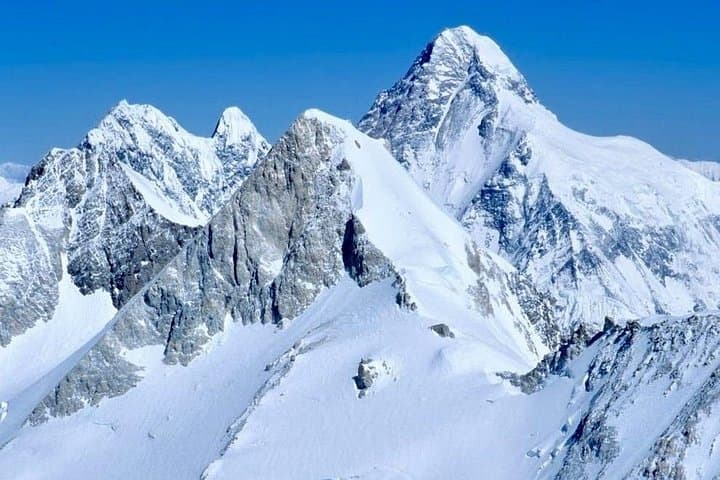
You stand at the edge of the Baltoro Glacier as an early light scours the ice—each serac a pale wall, each moraine a bruised ridge leading toward an impossible skyline. The air is thin and cold; the mountains loom like patient giants. Flights into Skardu cut across valleys to reveal K2 and, on a clear day, Nanga Parbat far to the west. From that first view the aim becomes concrete: Gasherbrum II, an 8,000-meter peak carved from granite and snow.
You stand at the edge of the Baltoro Glacier as an early light scours the ice—each serac a pale wall, each moraine a bruised ridge leading toward an impossible skyline. The air is thin and cold; the mountains loom like patient giants. Flights into Skardu cut across valleys to reveal K2 and, on a clear day, Nanga Parbat far to the west. From that first view the aim becomes concrete: Gasherbrum II, an 8,000-meter peak carved from granite and snow.
The Karakoram is a young, restless range shaped by rapid uplift and glacier-fed erosion; the Baltoro and Concordia areas have been the route for expeditions for over a century. The Balti people—whose language and culture bridge Central and South Asia—host climbers in Skardu and Askole, offering local cuisine and practical knowledge that can make or break an approach.
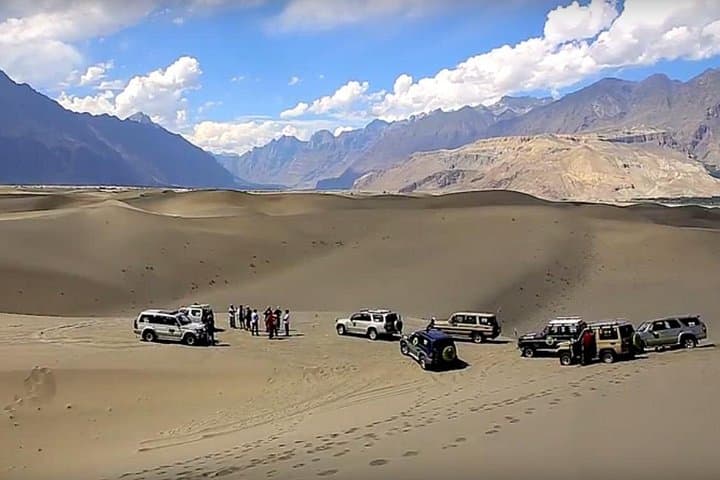
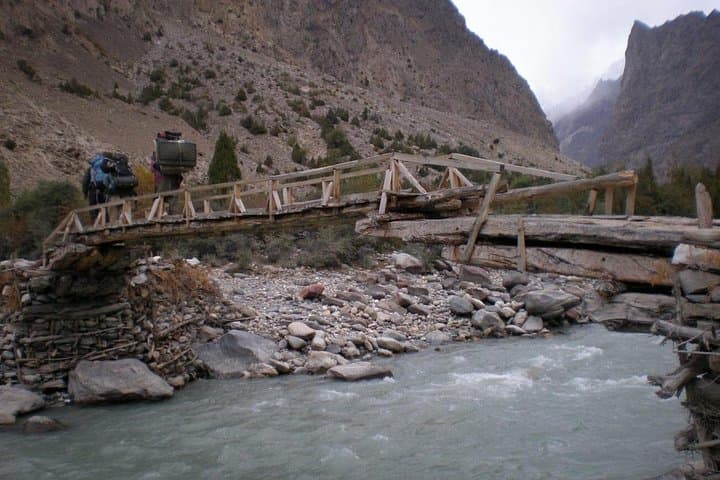
Expect long glacier marches, crevasse-prone travel, technical ice pitches and a rigid acclimatization schedule. Typical logistics include jeep approaches from Skardu to Askole, days on the Baltoro to Concordia, and staged high camps. Weather windows favor summer months (June–August) but storms and high winds are common.
Practical advice: build months of aerobic base and heavy-pack conditioning; train on mixed ice and rock if possible. Bring layered insulation for -20°C nights, certified crampons and a harness, and plan for a liaison officer, permits and local high-altitude porters. Respect crevasse hazards, altitude illness protocols and the fragile glacial environment—pack out waste and follow local conservation rules. This is not a guided hike but a full expedition: it will test endurance and judgment and reward with some of the most remote, towering views on Earth.