THE ADVENTURE COLLECTIVE® · Independent discovery and booking for outdoor travel

Explore volcanic geometry and medieval stonework on a 5–6 hour circuit from Yerevan that pairs the basalt ‘organ pipes’ of the Azat Gorge with Armenia’s lone standing pagan temple and the cliff-cut sanctuaries of Geghard. Practical route, cultural context, and planning tips for a day trip.
Explore volcanic geometry and medieval stonework on a 5–6 hour circuit from Yerevan that pairs the basalt ‘organ pipes’ of the Azat Gorge with Armenia’s lone standing pagan temple and the cliff-cut sanctuaries of Geghard. Practical route, cultural context, and planning tips for a day trip.
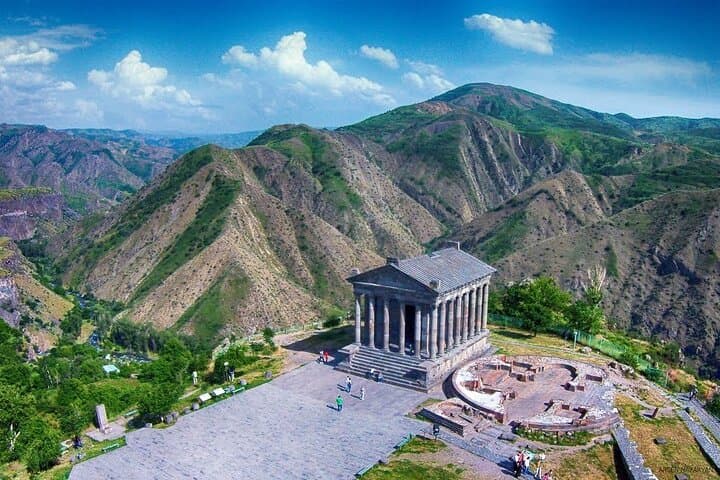
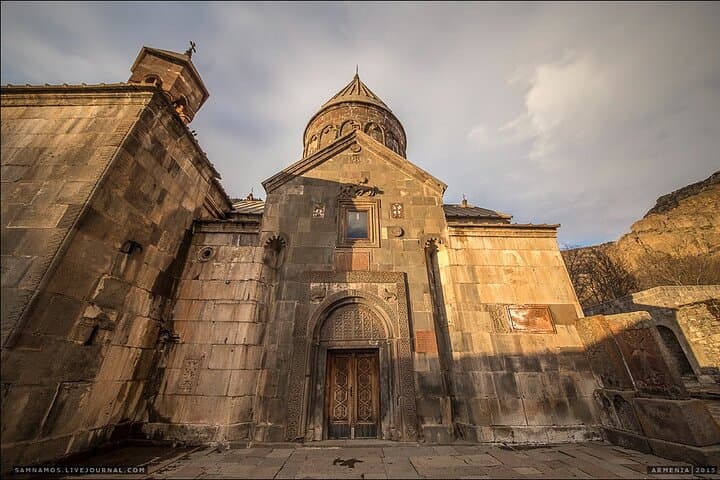
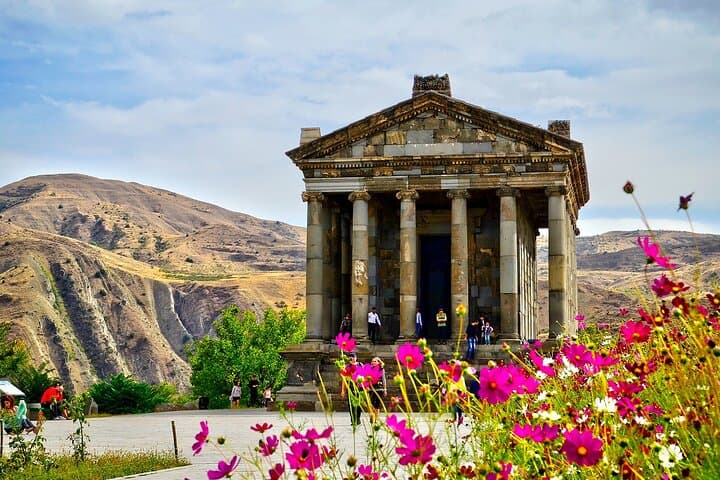
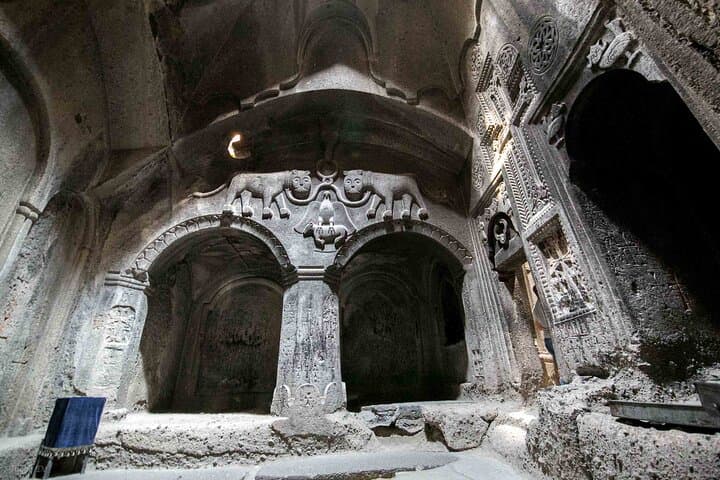
Stepping from the shaded minibus onto the rim of the Azat Gorge, the air smells of sun-warmed stone and dry grass. Below, the Symphony of Stones rises like a deliberate choir of basalt columns, their faces catching light and shadow as if to emphasize each vocal line. A short drive away, Garni Temple perches on a cliff, a lone Greco‑Roman ruin that watches the valley; further into the cleft of the mountain, Geghard Monastery waits — carved and cloistered — the hush inside its rock-cut chapels answering the wind outside.
Verified experiences and guided adventures in the surrounding area.
Operated by Happy Holidays · Garni, Kotayk Province
Stepping from the shaded minibus onto the rim of the Azat Gorge, the air smells of sun-warmed stone and dry grass. Below, the Symphony of Stones rises like a deliberate choir of basalt columns, their faces catching light and shadow as if to emphasize each vocal line. A short drive away, Garni Temple perches on a cliff, a lone Greco‑Roman ruin that watches the valley; further into the cleft of the mountain, Geghard Monastery waits — carved and cloistered — the hush inside its rock-cut chapels answering the wind outside.
These sites sit at the crossroads of geology and faith. The basalt columns of the Symphony were formed by cooling lava that contracted into polygonal pillars; Garni’s 1st‑century temple reflects Armenia’s pre-Christian sun cult, while Geghard, expanded in medieval times and listed by UNESCO, preserves carved chapels and reliquaries that speak to centuries of Christian devotion.
Culturally, the route links rural village life — small pottery workshops and roadside vendors of tarragon-cheese pastries — with the layered history of the Armenian Highlands. Guides usually narrate stories of Mihr, medieval monks, and the volcanic forces that shaped the gorge.
Practical guidance: the full excursion runs about 5–6 hours with short walks and some uneven stone paths; comfortable walking shoes and sun protection are essential. Expect moderate climbs and narrow ledges around viewpoints; bring water and a light layer for wind on the gorge rim. Entrance fees are typically included for Geghard; pickup from Yerevan is common. Time your visit mid-morning or late afternoon for softer light on the columns and fewer crowds.
easy.
5–6 hours.
Suitable for travelers in average physical condition; involves short walks, stairs, and brief uneven terrain.
The itinerary runs about 5–6 hours total including travel time from Yerevan and guided time at Garni, the Symphony of Stones, and Geghard.
Geghard entrance and an English/Russian-speaking guide are typically included; Garni Temple access is part of the route but verify inclusion when booking.
Short walks are easy but there are stone steps and uneven paths; infants must sit on laps and specialized seats may be available—check in advance for mobility needs.
Spring and fall offer cooler temperatures and greener valleys; early morning or late afternoon provides better light and fewer crowds.
Garni is the only standing pagan temple in Armenia dating to the 1st century, while Geghard evolved from a 4th‑century monastic site into a medieval rock-cut complex now on the UNESCO list.
Visitor impact on fragile basalt columns and monastery interiors is managed by restricted paths and entrance fees; stay on trails, avoid climbing columns, and support local guides.
Happy Holidays operates guided outdoor trips and adventures with an emphasis on safety, stewardship, and memorable experiences.
Stepping from the shaded minibus onto the rim of the Azat Gorge, the air smells of sun-warmed stone and dry grass. Below, the Symphony of Stones rises like a deliberate choir of basalt columns, their faces catching light and shadow as if to emphasize each vocal line. A short drive away, Garni Temple perches on a cliff, a lone Greco‑Roman ruin that watches the valley; further into the cleft of the mountain, Geghard Monastery waits — carved and cloistered — the hush inside its rock-cut chapels answering the wind outside.
Stepping from the shaded minibus onto the rim of the Azat Gorge, the air smells of sun-warmed stone and dry grass. Below, the Symphony of Stones rises like a deliberate choir of basalt columns, their faces catching light and shadow as if to emphasize each vocal line. A short drive away, Garni Temple perches on a cliff, a lone Greco‑Roman ruin that watches the valley; further into the cleft of the mountain, Geghard Monastery waits — carved and cloistered — the hush inside its rock-cut chapels answering the wind outside.
These sites sit at the crossroads of geology and faith. The basalt columns of the Symphony were formed by cooling lava that contracted into polygonal pillars; Garni’s 1st‑century temple reflects Armenia’s pre-Christian sun cult, while Geghard, expanded in medieval times and listed by UNESCO, preserves carved chapels and reliquaries that speak to centuries of Christian devotion.
Culturally, the route links rural village life — small pottery workshops and roadside vendors of tarragon-cheese pastries — with the layered history of the Armenian Highlands. Guides usually narrate stories of Mihr, medieval monks, and the volcanic forces that shaped the gorge.
Practical guidance: the full excursion runs about 5–6 hours with short walks and some uneven stone paths; comfortable walking shoes and sun protection are essential. Expect moderate climbs and narrow ledges around viewpoints; bring water and a light layer for wind on the gorge rim. Entrance fees are typically included for Geghard; pickup from Yerevan is common. Time your visit mid-morning or late afternoon for softer light on the columns and fewer crowds.