THE ADVENTURE COLLECTIVE® · Independent discovery and booking for outdoor travel

Spend a morning or afternoon at Warasa Garifuna Drum School in Punta Gorda to learn traditional Garifuna drumming, dancing and share a hudut lunch. This hands-on half-day mixes music history, a family performance and an authentic coastal meal.
Spend a morning or afternoon at Warasa Garifuna Drum School in Punta Gorda to learn traditional Garifuna drumming, dancing and share a hudut lunch. This hands-on half-day mixes music history, a family performance and an authentic coastal meal.
You arrive under a stamped palm-thatched palapa as the Caribbean breeze dares you to keep still—hands already itching to follow a rhythm older than the town.
Verified experiences and guided adventures in the surrounding area.
Operated by Warasa Garifuna Drum School · Punta Gorda, Toledo District
You arrive under a stamped palm-thatched palapa as the Caribbean breeze dares you to keep still—hands already itching to follow a rhythm older than the town.
At Warasa Garifuna Drum School in Punta Gorda, a one-hour drumming lesson teaches the segunda’s steady heartbeat while the host’s primero propels you into faster patterns. History feels immediate here: Garifuna culture, a fusion of African, Arawak and Carib influences, settled on these shores in the late 18th century and preserved language, music and food through communal practice.
The region’s limestone bedrock and coastal mangroves shape the pace of life—tides that once guided canoe routes now frame local cuisine. After learning up to six rhythms and stepping through accompanying dances, guests watch a polished 30-minute family performance that demonstrates call-and-response singing, footwork and percussion nuance.
The finale is hudut: freshly sautéed fish in house-made coconut milk served with mashed plantain. Vegetarian and vegan options are available on request.
Practical guidance: the program runs about three hours, is physically easy and family-friendly, and is wheelchair- and stroller-accessible. Wear breathable shoes for dancing, bring sun protection and a refillable water bottle, and arrive 10–15 minutes early to settle in. Photography is welcome, but ask before close-up shots of performers. Weather can cancel sessions; check ahead and confirm dietary needs when booking. This half-day is as much a hands-on workshop as it is a cultural meal—expect to leave with new rhythms, a fuller plate and a clearer understanding of Garifuna life in southern Belize.
easy.
3 hours.
Suitable for all fitness levels; participants should be able to stand and move lightly for short periods.
Yes—this family-friendly, stroller-accessible experience is suitable for children and infants; lessons are adapted to all ages.
Yes—vegetarian and vegan variations of the hudut meal can be provided if requested at booking.
Sessions can be canceled for bad weather; the operator’s policy permits cancellations under unsafe conditions—confirm details when you book.
No—lessons are designed for beginners; the instructor teaches rhythms step-by-step so anyone can join.
The Garifuna are an Afro-indigenous people whose ancestors arrived on Central American Caribbean coasts in the late 18th century and have preserved distinct language, music and culinary traditions.
Support local community-run experiences and avoid single-use plastics; respectful tourism helps sustain cultural practices and coastal ecosystems.
Warasa Garifuna Drum School operates guided outdoor trips and adventures with an emphasis on safety, stewardship, and memorable experiences.
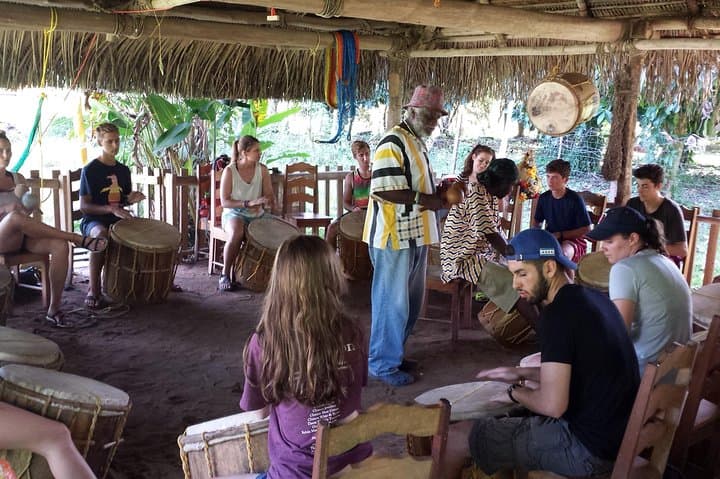

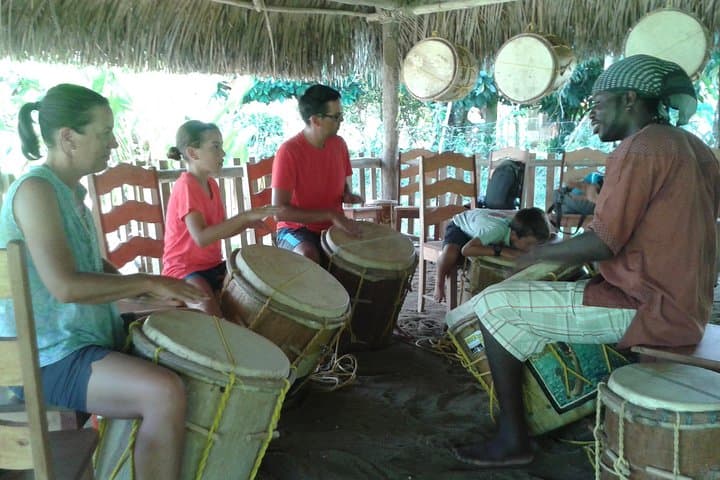

You arrive under a stamped palm-thatched palapa as the Caribbean breeze dares you to keep still—hands already itching to follow a rhythm older than the town.
You arrive under a stamped palm-thatched palapa as the Caribbean breeze dares you to keep still—hands already itching to follow a rhythm older than the town.
At Warasa Garifuna Drum School in Punta Gorda, a one-hour drumming lesson teaches the segunda’s steady heartbeat while the host’s primero propels you into faster patterns. History feels immediate here: Garifuna culture, a fusion of African, Arawak and Carib influences, settled on these shores in the late 18th century and preserved language, music and food through communal practice.
The region’s limestone bedrock and coastal mangroves shape the pace of life—tides that once guided canoe routes now frame local cuisine. After learning up to six rhythms and stepping through accompanying dances, guests watch a polished 30-minute family performance that demonstrates call-and-response singing, footwork and percussion nuance.
The finale is hudut: freshly sautéed fish in house-made coconut milk served with mashed plantain. Vegetarian and vegan options are available on request.
Practical guidance: the program runs about three hours, is physically easy and family-friendly, and is wheelchair- and stroller-accessible. Wear breathable shoes for dancing, bring sun protection and a refillable water bottle, and arrive 10–15 minutes early to settle in. Photography is welcome, but ask before close-up shots of performers. Weather can cancel sessions; check ahead and confirm dietary needs when booking. This half-day is as much a hands-on workshop as it is a cultural meal—expect to leave with new rhythms, a fuller plate and a clearer understanding of Garifuna life in southern Belize.