THE ADVENTURE COLLECTIVE® · Independent discovery and booking for outdoor travel

Spend an evening at Warasa in Punta Gorda experiencing Garifuna drumming, a hands-on dance lesson and a traditional hudut dinner. This 90-minute cultural show offers history, music and local flavor in an intimate palapa setting.
Spend an evening at Warasa in Punta Gorda experiencing Garifuna drumming, a hands-on dance lesson and a traditional hudut dinner. This 90-minute cultural show offers history, music and local flavor in an intimate palapa setting.
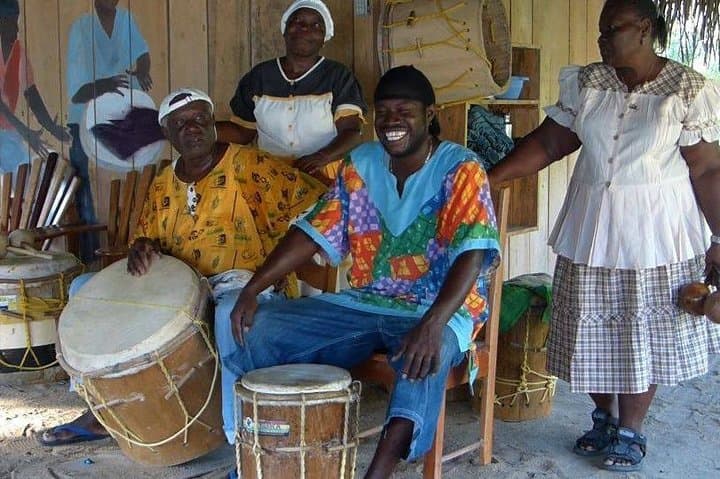
Night falls slowly over Punta Gorda and the palapa lights flicker to life, the air thick with salt and coconut oil. Under a broad thatched roof at Warasa, the first beat lands—deep, round, insistent—and the crowd leans in. Drums speak first; voices and footwork answer. Within minutes you’re inside a living rhythm that has crossed oceans and centuries.
Verified experiences and guided adventures in the surrounding area.
Operated by Warasa Garifuna Drum School · Punta Gorda, Toledo District
Night falls slowly over Punta Gorda and the palapa lights flicker to life, the air thick with salt and coconut oil. Under a broad thatched roof at Warasa, the first beat lands—deep, round, insistent—and the crowd leans in. Drums speak first; voices and footwork answer. Within minutes you’re inside a living rhythm that has crossed oceans and centuries.
The Garifuna people arrived on Central America’s Caribbean coast after exile from St. Vincent in the late 18th century. Their music—recognised by UNESCO—blends West African, Arawak and Carib elements; paranda, punta and jonkunu rhythms map a shared history of resistance and celebration. Punta Gorda sits near rivers and low hills where mangroves meet cacao farms, and the performance here often carries the coastal cadence of those environments.
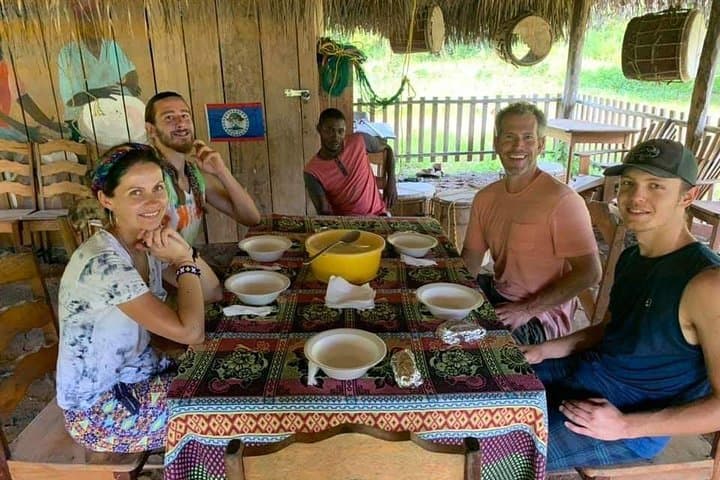
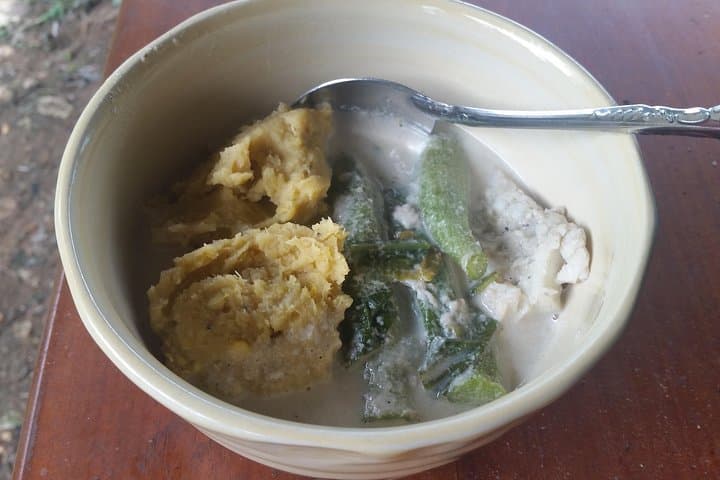
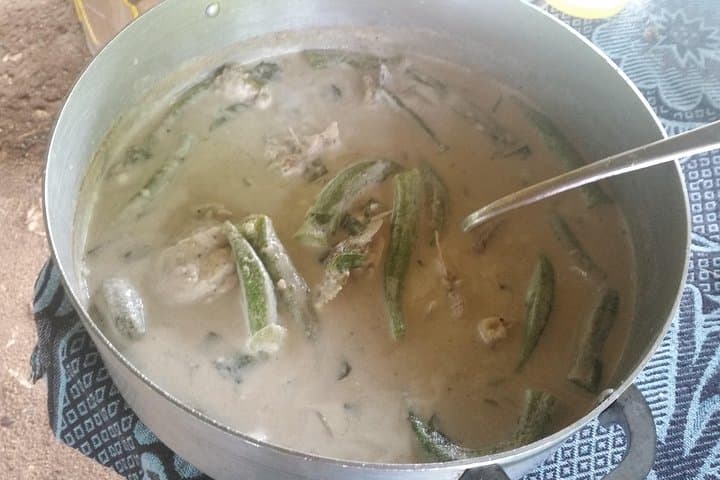
Expect a 45-minute professional concert, a 20-minute participatory dance lesson, and a plate of hudut—fresh fish sautéed in coconut milk with mashed plantain. The setting is informal, community-focused: performers, learners and diners close together beneath the palapa.
Practicalities: the program runs about 90 minutes and accommodates all fitness levels. Wear breathable clothing and flat shoes for dancing, bring insect repellent for evening humidity, and carry cash for tips and local crafts. If you want photos, ask before stepping in; performers sometimes prefer to set the frame. The experience supports cultural preservation and local livelihoods—arrive curious, be respectful, and leave with a clearer sense of the rhythms that sustain Garifuna life in southern Belize.
easy.
1.5 hours.
Suitable for all fitness levels; light standing and dancing are optional
The event lasts about 90 minutes: a brief cultural overview, a 45-minute performance, a 20-minute dance lesson and dinner.
Yes—infants and small children can be accommodated and the venue is stroller-accessible; supervise active kids during the dance.
Yes—vegetarian options are available and hosts request dietary needs at booking so they can prepare appropriately.
Yes—the show is visual and rhythmic; brief historical context is provided and the performance transcends language barriers.
Garifuna culture stems from a fusion of West African, Arawak and Carib peoples; their music and language were declared a Masterpiece of the Oral and Intangible Heritage of Humanity by UNESCO.
Supporting community-run performances helps preserve traditional knowledge and provides income to local artists; avoid single-use plastics and ask before photographing private ceremonies.
Warasa Garifuna Drum School operates guided outdoor trips and adventures with an emphasis on safety, stewardship, and memorable experiences.
Night falls slowly over Punta Gorda and the palapa lights flicker to life, the air thick with salt and coconut oil. Under a broad thatched roof at Warasa, the first beat lands—deep, round, insistent—and the crowd leans in. Drums speak first; voices and footwork answer. Within minutes you’re inside a living rhythm that has crossed oceans and centuries.
Night falls slowly over Punta Gorda and the palapa lights flicker to life, the air thick with salt and coconut oil. Under a broad thatched roof at Warasa, the first beat lands—deep, round, insistent—and the crowd leans in. Drums speak first; voices and footwork answer. Within minutes you’re inside a living rhythm that has crossed oceans and centuries.
The Garifuna people arrived on Central America’s Caribbean coast after exile from St. Vincent in the late 18th century. Their music—recognised by UNESCO—blends West African, Arawak and Carib elements; paranda, punta and jonkunu rhythms map a shared history of resistance and celebration. Punta Gorda sits near rivers and low hills where mangroves meet cacao farms, and the performance here often carries the coastal cadence of those environments.
Expect a 45-minute professional concert, a 20-minute participatory dance lesson, and a plate of hudut—fresh fish sautéed in coconut milk with mashed plantain. The setting is informal, community-focused: performers, learners and diners close together beneath the palapa.
Practicalities: the program runs about 90 minutes and accommodates all fitness levels. Wear breathable clothing and flat shoes for dancing, bring insect repellent for evening humidity, and carry cash for tips and local crafts. If you want photos, ask before stepping in; performers sometimes prefer to set the frame. The experience supports cultural preservation and local livelihoods—arrive curious, be respectful, and leave with a clearer sense of the rhythms that sustain Garifuna life in southern Belize.