THE ADVENTURE COLLECTIVE® · Independent discovery and booking for outdoor travel

Explore Singapore’s landmark gardens with a flexible e‑ticket: wander a cooled Cloud Forest with a 35m waterfall, stroll the world’s largest Flower Dome, and time your visit to avoid crowds. Practical tips and local context for first-time visitors.
Explore Singapore’s landmark gardens with a flexible e‑ticket: wander a cooled Cloud Forest with a 35m waterfall, stroll the world’s largest Flower Dome, and time your visit to avoid crowds. Practical tips and local context for first-time visitors.
You step through the Supertree Grove and the city’s heat softens beneath the shade of steel-and-plant towers. Fog drifts around the Cloud Forest’s 35‑meter waterfall as orchids and mosses cling to a vertical ridge—an engineered mountain that pulls cool, misty air through suspended walkways. Outside, the Flower Dome opens like a vaulted greenhouse of global climates, where succulent beds and Mediterranean shrubs breathe a different light.
Verified experiences and guided adventures in the surrounding area.
Operated by My Singapore · Singapore, Singapore
You step through the Supertree Grove and the city’s heat softens beneath the shade of steel-and-plant towers. Fog drifts around the Cloud Forest’s 35‑meter waterfall as orchids and mosses cling to a vertical ridge—an engineered mountain that pulls cool, misty air through suspended walkways. Outside, the Flower Dome opens like a vaulted greenhouse of global climates, where succulent beds and Mediterranean shrubs breathe a different light.
Opened in 2012 on reclaimed land at Marina Bay, Gardens by the Bay is both horticultural experiment and public park: conservatories replicate mountain cloud forests and arid zones, while outdoor gardens display plants connected to Singapore’s maritime and immigrant histories. Geologically the site sits atop reclaimed coastal fill; the conservatories use climate control to simulate altitudes and seasonal ranges you won’t find at sea level.
Expect a mix of indoor and outdoor walking, accessible boardwalks, and crowd peaks midafternoon. The Cloud Forest’s elevated loop rewards visitors with close-up views of epiphytes and the engineered waterfall; the Flower Dome organizes plantings by region so you can move from Australian yuccas to a seasonal floral display within minutes. Cultural touches—heritage gardens and interpretive signs—trace colonial-era plant introductions and local cultivation traditions.
Practical guidance: aim for early morning or late afternoon light, reserve timed e‑tickets, and check conservatory closure dates before travel. Wear comfortable shoes, bring a refillable bottle (drink stations available), and allow 2–4 hours to experience both conservatories plus the Supertree precinct. The site is largely wheelchair accessible and serviced by public transit—an urban green space engineered for exploration.
easy.
2–6 hours.
Suitable for most fitness levels; involves prolonged standing and walking on flat and elevated paths.
Ticket options vary—select a combined conservatory ticket to visit both; single-attraction tickets permit entry only to the chosen dome.
Yes—paths, conservatory floors, and key attractions are wheelchair accessible and wheelchair rentals are available at the Arrival Gift Shop.
Mobile e-tickets are accepted; printing is optional but ensure your device is charged and the barcode is visible on arrival.
Early mornings on weekdays or late afternoons are quieter; weekends and public holidays are busiest, especially around Supertree concerts and floral shows.
Gardens by the Bay opened in 2012 on reclaimed land at Marina Bay as part of Singapore’s plan to increase green space and showcase sustainable horticulture.
The conservatories use energy-efficient cooling and rainwater harvesting; visitors are encouraged to stay on paths, avoid feeding wildlife, and reduce single-use plastics.
My Singapore operates guided outdoor trips and adventures with an emphasis on safety, stewardship, and memorable experiences.
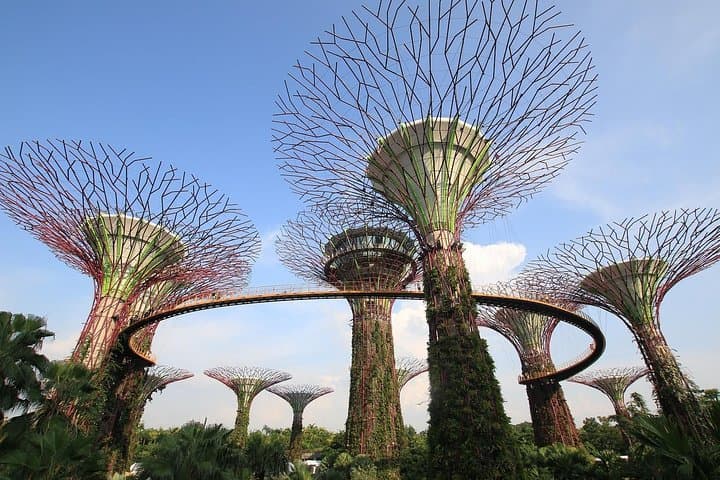
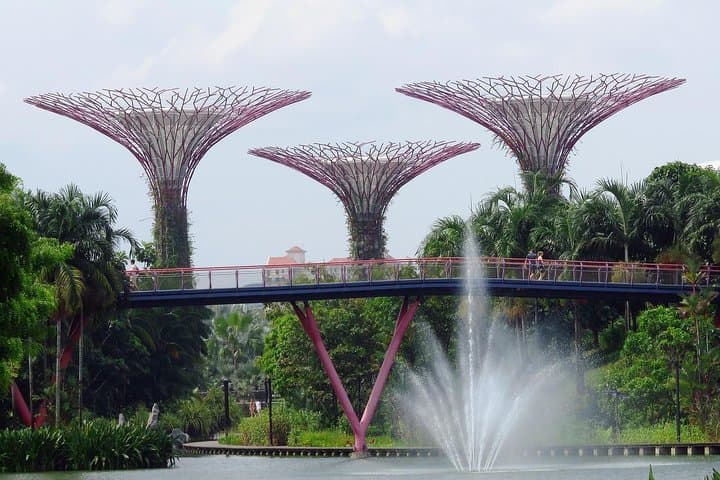
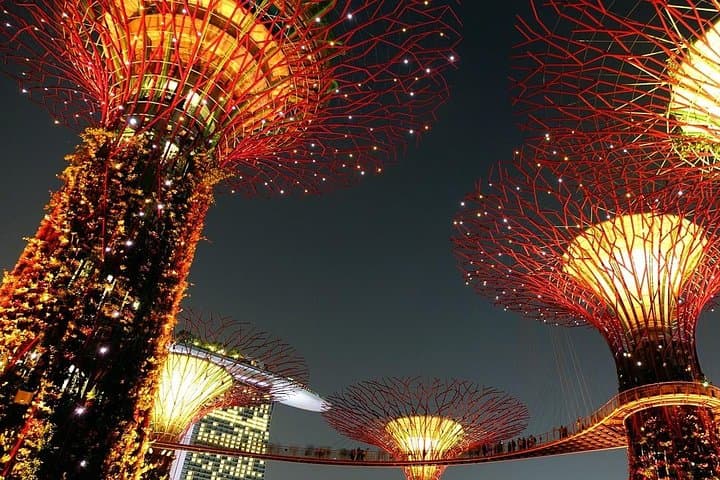
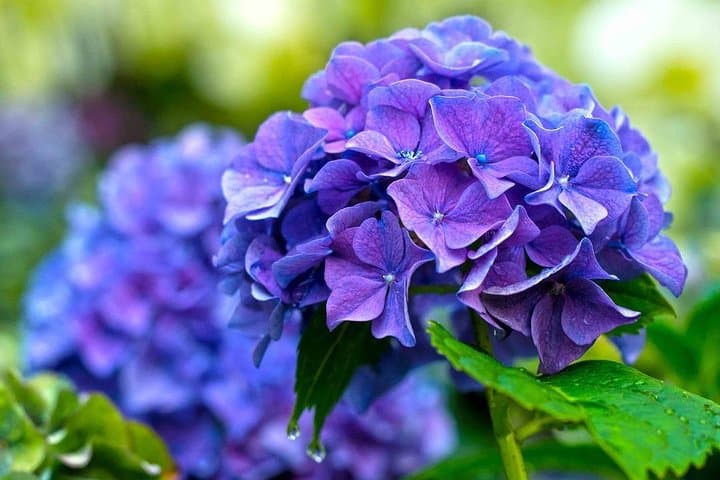
You step through the Supertree Grove and the city’s heat softens beneath the shade of steel-and-plant towers. Fog drifts around the Cloud Forest’s 35‑meter waterfall as orchids and mosses cling to a vertical ridge—an engineered mountain that pulls cool, misty air through suspended walkways. Outside, the Flower Dome opens like a vaulted greenhouse of global climates, where succulent beds and Mediterranean shrubs breathe a different light.
You step through the Supertree Grove and the city’s heat softens beneath the shade of steel-and-plant towers. Fog drifts around the Cloud Forest’s 35‑meter waterfall as orchids and mosses cling to a vertical ridge—an engineered mountain that pulls cool, misty air through suspended walkways. Outside, the Flower Dome opens like a vaulted greenhouse of global climates, where succulent beds and Mediterranean shrubs breathe a different light.
Opened in 2012 on reclaimed land at Marina Bay, Gardens by the Bay is both horticultural experiment and public park: conservatories replicate mountain cloud forests and arid zones, while outdoor gardens display plants connected to Singapore’s maritime and immigrant histories. Geologically the site sits atop reclaimed coastal fill; the conservatories use climate control to simulate altitudes and seasonal ranges you won’t find at sea level.
Expect a mix of indoor and outdoor walking, accessible boardwalks, and crowd peaks midafternoon. The Cloud Forest’s elevated loop rewards visitors with close-up views of epiphytes and the engineered waterfall; the Flower Dome organizes plantings by region so you can move from Australian yuccas to a seasonal floral display within minutes. Cultural touches—heritage gardens and interpretive signs—trace colonial-era plant introductions and local cultivation traditions.
Practical guidance: aim for early morning or late afternoon light, reserve timed e‑tickets, and check conservatory closure dates before travel. Wear comfortable shoes, bring a refillable bottle (drink stations available), and allow 2–4 hours to experience both conservatories plus the Supertree precinct. The site is largely wheelchair accessible and serviced by public transit—an urban green space engineered for exploration.