THE ADVENTURE COLLECTIVE® · Independent discovery and booking for outdoor travel

Step into Gardens by the Bay’s cooled conservatories and climb the Supertree Observatory for skyline views. This practical guide covers what to expect — from mist-soaked paths and floral displays to ticketing, timing, and accessibility tips.
Step into Gardens by the Bay’s cooled conservatories and climb the Supertree Observatory for skyline views. This practical guide covers what to expect — from mist-soaked paths and floral displays to ticketing, timing, and accessibility tips.
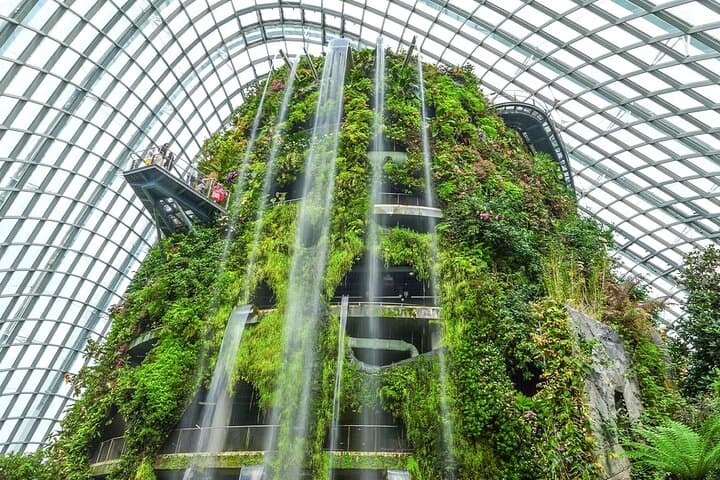
You step from Marina Bay’s heat into a cool, engineered mist — the Cloud Forest’s waterfall pulls humidity into a fine curtain that brushes the face and hushes the city behind you.
Verified experiences and guided adventures in the surrounding area.
Operated by Dream Fly Tourism LLC · Singapore, Singapore
You step from Marina Bay’s heat into a cool, engineered mist — the Cloud Forest’s waterfall pulls humidity into a fine curtain that brushes the face and hushes the city behind you.
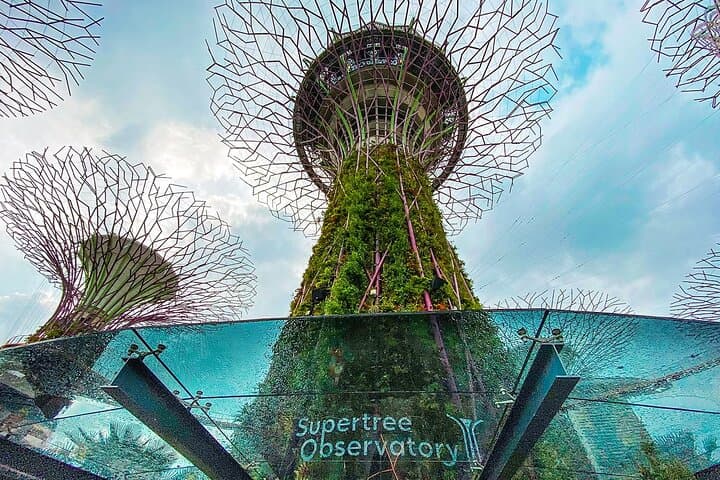
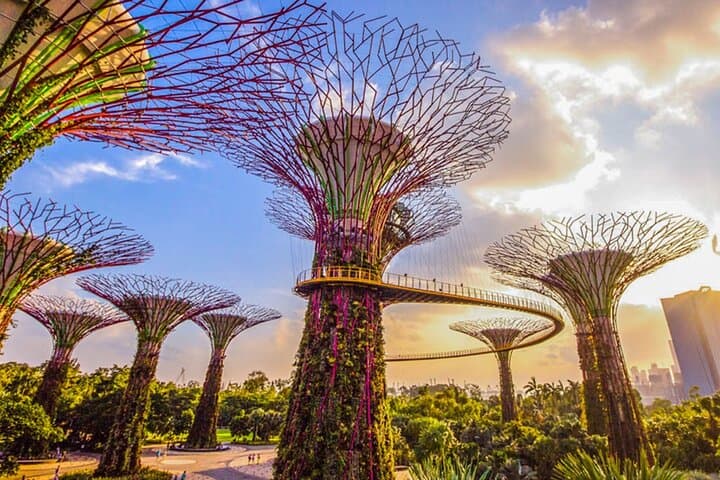
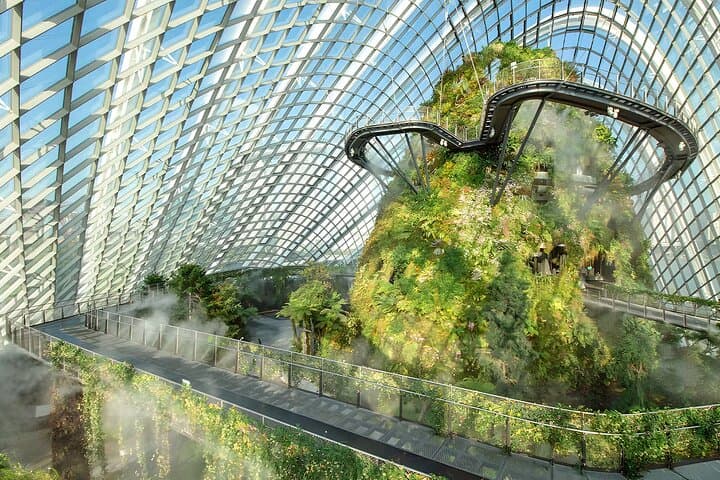
The conservatories are modern greenhouse engineering: a 35-meter indoor mountain draped in orchids and ferns inside the Cloud Forest, and the Flower Dome’s global plant galleries mapped by climate zones. The Supertree Observatory lifts you 50 meters above the bay for a skyline that reads Singapore’s rapid urban story — reclaimed land, bold architecture, and the gardens’ 2012 opening as a statement of urban greening.
Geology here is less rock than reclaimed sediment and coastal fill; the gardens are a designed landscape where horticulture and technology intersect. Cultural threads run from colonial botanic study to contemporary sustainability: the conservatories recycle water and use intelligent cooling to house plant collections from Mediterranean to montane regions.
Expect a gentle itinerary: misty walkways, photo points, a Jurassic World exhibit for families, and 1–4 hours of exploration. The route is largely flat with accessible elevators to the observatory; lighting and climate control make it comfortable year-round. Peak hours are late morning and around sunset for golden skyline light—book timed tickets to avoid lines.
Practical essentials: comfortable shoes for paved paths, a refillable water bottle (it’s humid), and a lightweight rain layer during monsoon months. Allow time for slower moments — study a rare bloom, track a butterfly over the lakes, and plan transit; public transport drops you close to the gardens.
easy.
1–4 hours.
Suitable for light activity; you should be able to stand and walk for several hours with short breaks.
Yes—timed-entry tickets are recommended to guarantee admission to the Cloud Forest, Flower Dome, and Supertree Observatory during peak periods.
The Supertree Observatory is accessible via elevator; some viewing platforms have limited space and seating is minimal.
Allocate 1–4 hours depending on pace: 60–90 minutes for highlights, up to half a day to explore gardens, conservatories, and exhibits thoroughly.
Food is not permitted inside the climate-controlled conservatories; there are cafes and picnic areas outside where you can eat.
Gardens by the Bay opened in 2012 as part of Singapore’s strategy to add green public space on reclaimed land and to demonstrate sustainable horticulture in a tropical city.
The conservatories use energy-efficient cooling and water-recycling systems to minimize impact; visitors are encouraged to stay on paths and avoid touching plant specimens to protect collections.
Dream Fly Tourism LLC operates guided outdoor trips and adventures with an emphasis on safety, stewardship, and memorable experiences.
You step from Marina Bay’s heat into a cool, engineered mist — the Cloud Forest’s waterfall pulls humidity into a fine curtain that brushes the face and hushes the city behind you.
You step from Marina Bay’s heat into a cool, engineered mist — the Cloud Forest’s waterfall pulls humidity into a fine curtain that brushes the face and hushes the city behind you.
The conservatories are modern greenhouse engineering: a 35-meter indoor mountain draped in orchids and ferns inside the Cloud Forest, and the Flower Dome’s global plant galleries mapped by climate zones. The Supertree Observatory lifts you 50 meters above the bay for a skyline that reads Singapore’s rapid urban story — reclaimed land, bold architecture, and the gardens’ 2012 opening as a statement of urban greening.
Geology here is less rock than reclaimed sediment and coastal fill; the gardens are a designed landscape where horticulture and technology intersect. Cultural threads run from colonial botanic study to contemporary sustainability: the conservatories recycle water and use intelligent cooling to house plant collections from Mediterranean to montane regions.
Expect a gentle itinerary: misty walkways, photo points, a Jurassic World exhibit for families, and 1–4 hours of exploration. The route is largely flat with accessible elevators to the observatory; lighting and climate control make it comfortable year-round. Peak hours are late morning and around sunset for golden skyline light—book timed tickets to avoid lines.
Practical essentials: comfortable shoes for paved paths, a refillable water bottle (it’s humid), and a lightweight rain layer during monsoon months. Allow time for slower moments — study a rare bloom, track a butterfly over the lakes, and plan transit; public transport drops you close to the gardens.