THE ADVENTURE COLLECTIVE® · Independent discovery and booking for outdoor travel

Walk the Garden District with a guide who unpacks mansion lore, cemetery architecture, and on-street mysteries. This two-hour route highlights Lafayette Cemetery No. 1 and a parade of antebellum homes—no interiors, just stories etched into façades and ironwork.
Walk the Garden District with a guide who unpacks mansion lore, cemetery architecture, and on-street mysteries. This two-hour route highlights Lafayette Cemetery No. 1 and a parade of antebellum homes—no interiors, just stories etched into façades and ironwork.
Strolling beneath live oaks whose limbs have watched a century of parades, you enter the Garden District where humidity and history seem to conspire. The tour begins at Colonel Short’s Villa on Fourth Street and moves through wide, shaded avenues lined with cast-iron fences, shotgun houses, and the above-ground vaults of Lafayette Cemetery No. 1—stone boxes rising like small neighborhoods from the soggy ground.
Verified experiences and guided adventures in the surrounding area.
Operated by New Orleans Ghosts By Us Ghost Adventures · New Orleans, Louisiana
Strolling beneath live oaks whose limbs have watched a century of parades, you enter the Garden District where humidity and history seem to conspire. The tour begins at Colonel Short’s Villa on Fourth Street and moves through wide, shaded avenues lined with cast-iron fences, shotgun houses, and the above-ground vaults of Lafayette Cemetery No. 1—stone boxes rising like small neighborhoods from the soggy ground.
This neighborhood grew in the antebellum and postbellum eras as plantation wealth translated into Italianate, Greek Revival, and Gothic mansions. The architecture reflects economic stories: sugar and cotton fortunes, wartime occupations, and social clubs that defined New Orleans high society. Geologically, the cemetery’s elevated tombs are a practical response to the city’s high water table, while the sandy ridges where many homes sit were once natural uplands that attracted early developers.
Guides bring cultural color—scandals, films shot here, and the legends that tether past lives to front porches. Expect well-researched anecdotes rather than sensationalism; interiors are not entered, but façades, gates, and public grounds tell the architecture’s story.
Practically, the two-hour walk covers roughly 1–2 miles on flat pavement with occasional uneven sidewalks. Wear supportive shoes, carry water (New Orleans gets hot and humid), and plan for sun or sudden rain. Morning or late afternoon slots reduce heat and improve light for photos. The experience is equal parts neighborhood history and ghost-story lore—historic, urban, and entirely walkable.
easy.
2 hours.
Suitable for most people who can walk 1–2 miles on flat pavement; light stamina recommended.
No—this tour views exteriors and cemetery grounds from public paths; there is no interior access or building entry.
Yes if participants can walk up to two hours; it’s not recommended for those who cannot walk more than a mile without rest.
Public transit and rideshare options are available nearby; street parking can be limited during events—plan extra time.
Tours operate rain or shine; guides will cancel in extreme conditions and notify booked guests as needed.
The Garden District developed in the 19th century on higher ground; its mansions reflect plantation wealth and post-Civil War urban growth. Lafayette Cemetery No. 1 uses above-ground tombs because of the city’s high water table.
Respect for private property and cemetery preservation is paramount—stay on sidewalks and designated paths, and avoid leaving trash or graffiti.
New Orleans Ghosts By Us Ghost Adventures operates guided outdoor trips and adventures with an emphasis on safety, stewardship, and memorable experiences.
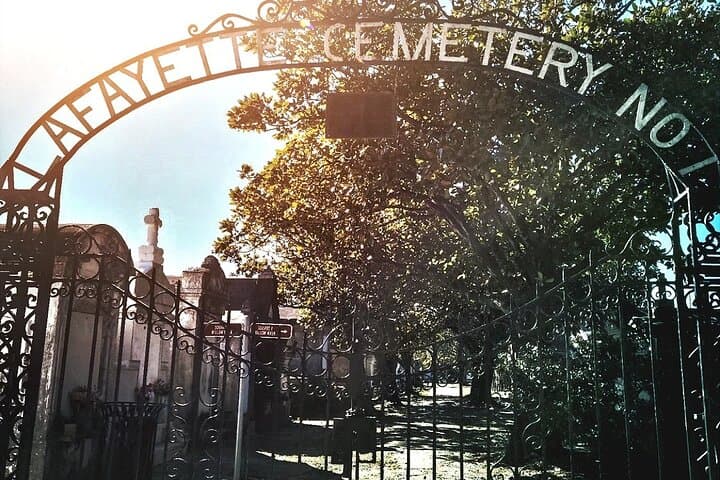

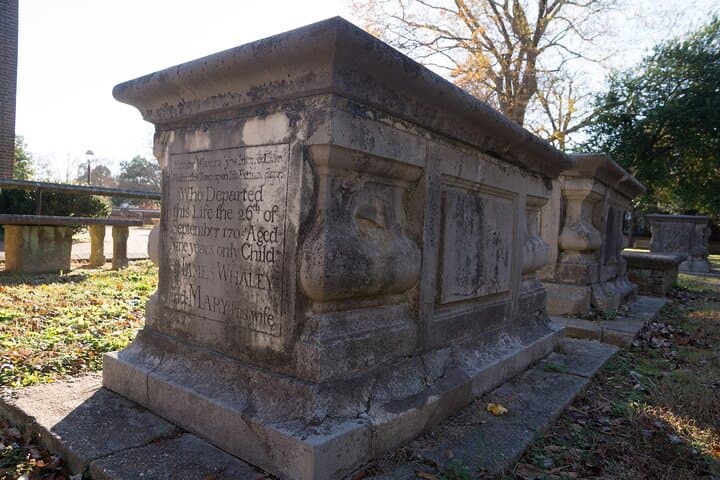
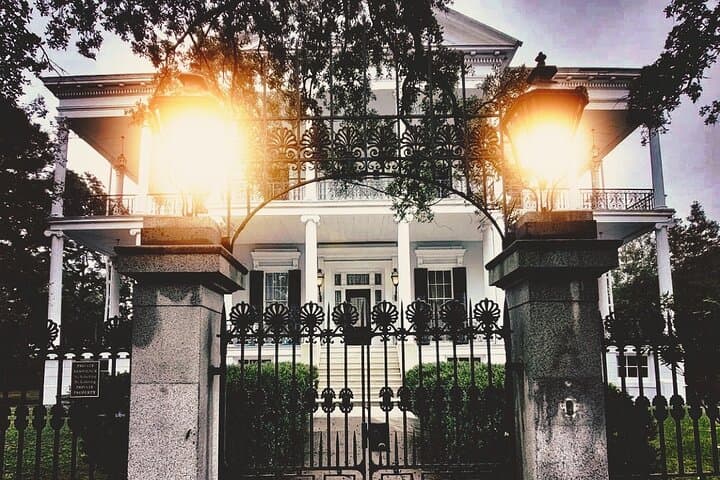
Strolling beneath live oaks whose limbs have watched a century of parades, you enter the Garden District where humidity and history seem to conspire. The tour begins at Colonel Short’s Villa on Fourth Street and moves through wide, shaded avenues lined with cast-iron fences, shotgun houses, and the above-ground vaults of Lafayette Cemetery No. 1—stone boxes rising like small neighborhoods from the soggy ground.
Strolling beneath live oaks whose limbs have watched a century of parades, you enter the Garden District where humidity and history seem to conspire. The tour begins at Colonel Short’s Villa on Fourth Street and moves through wide, shaded avenues lined with cast-iron fences, shotgun houses, and the above-ground vaults of Lafayette Cemetery No. 1—stone boxes rising like small neighborhoods from the soggy ground.
This neighborhood grew in the antebellum and postbellum eras as plantation wealth translated into Italianate, Greek Revival, and Gothic mansions. The architecture reflects economic stories: sugar and cotton fortunes, wartime occupations, and social clubs that defined New Orleans high society. Geologically, the cemetery’s elevated tombs are a practical response to the city’s high water table, while the sandy ridges where many homes sit were once natural uplands that attracted early developers.
Guides bring cultural color—scandals, films shot here, and the legends that tether past lives to front porches. Expect well-researched anecdotes rather than sensationalism; interiors are not entered, but façades, gates, and public grounds tell the architecture’s story.
Practically, the two-hour walk covers roughly 1–2 miles on flat pavement with occasional uneven sidewalks. Wear supportive shoes, carry water (New Orleans gets hot and humid), and plan for sun or sudden rain. Morning or late afternoon slots reduce heat and improve light for photos. The experience is equal parts neighborhood history and ghost-story lore—historic, urban, and entirely walkable.