THE ADVENTURE COLLECTIVE® · Independent discovery and booking for outdoor travel

Walk beneath towering live oaks to discover antebellum mansions, gated cemeteries, and film-famous homes in New Orleans’ Garden District. This two-hour guided stroll blends history, architecture, and local tips for exploring like a resident.
Walk beneath towering live oaks to discover antebellum mansions, gated cemeteries, and film-famous homes in New Orleans’ Garden District. This two-hour guided stroll blends history, architecture, and local tips for exploring like a resident.
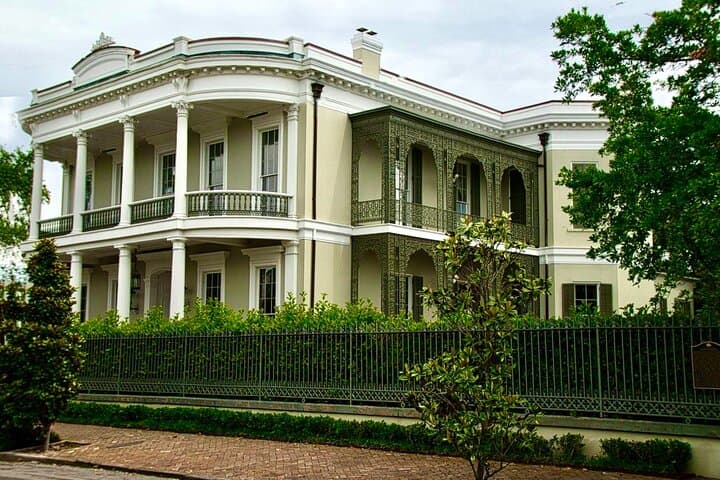
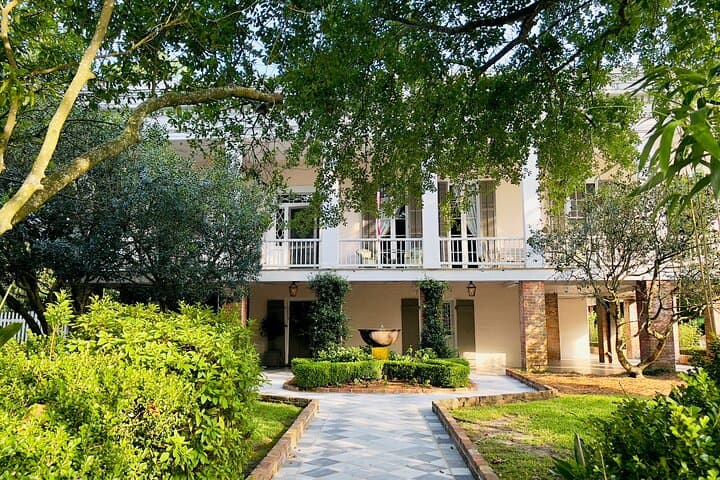
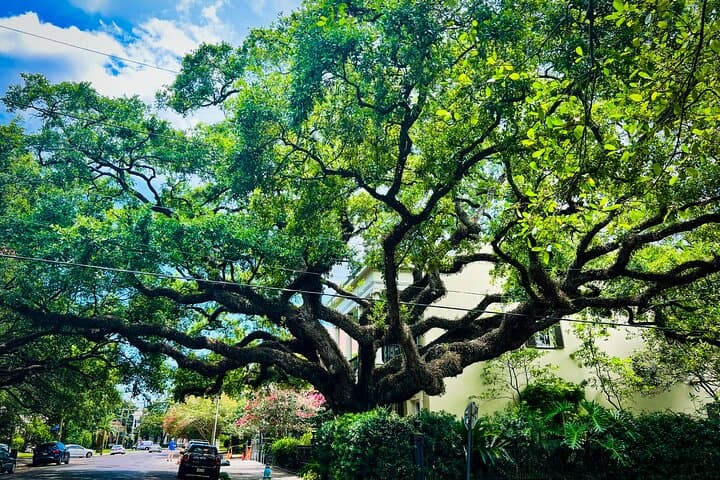
You step off St. Charles Avenue into a street of live oaks that lean close, their branches parting to reveal iron fences and the silhouettes of 19th-century mansions. The air smells faintly of magnolia and coffee; parade beads and brass echo from a distance. This walking tour threads those shaded avenues, pausing at gates, porches, and the secret corners that made the neighborhood famous.
Verified experiences and guided adventures in the surrounding area.
Operated by DuPont and Company · New Orleans, Louisiana
You step off St. Charles Avenue into a street of live oaks that lean close, their branches parting to reveal iron fences and the silhouettes of 19th-century mansions. The air smells faintly of magnolia and coffee; parade beads and brass echo from a distance. This walking tour threads those shaded avenues, pausing at gates, porches, and the secret corners that made the neighborhood famous.
The Garden District rose in the 1830s as an enclave for planters and merchants who built raised cottages and grand Greek Revival homes to sit above New Orleans’ high water table. That geology—soft delta soils and seasonal flooding—shaped the architecture: higher foundations, wide porches, and the above-ground tombs in Lafayette Cemetery that reflect local burial traditions and practical necessity.
Culturally the district blends Creole influences, Victorian flamboyance, and modern celebrity presence; guides point out film locations, Anne Rice’s former addresses, and houses once owned by entertainers. Look for cast-ironwork, creole cottages, and the way private gardens form a living flood-mitigation system.
Practical guidance: this is a relaxed, mostly flat two-hour stroll of paved sidewalks and occasional cobbles—bring supportive shoes, water, and modest respect for private property. Expect sections viewed through gates (the cemetery is seen from outside) and a steady parade of streetcars on St. Charles. Start in the morning to avoid heat and crowds, and plan a café stop on Magazine Street after the tour. Guides routinely share local dining tips and quieter side streets worth exploring on your own.
easy.
2 hours.
Suitable for average fitness; walkers should be able to stand and move at a casual pace for two hours.
The cemetery is viewed from outside the iron gates; entry is restricted and sometimes closed to the public, so guides provide history and context from the sidewalk.
The meeting point is in front of The Rink Shopping Center near St. Charles Avenue, which has a coffee shop and restrooms; the tour returns to the same spot.
The route is largely wheelchair accessible via paved sidewalks, though some spots near gates may have uneven pavement—check with the operator if you need specific accommodations.
Service animals are permitted; regular pets are not typically allowed to ensure comfort for all guests and respect for private property.
Developed from the 1830s as an affluent neighborhood, the Garden District’s raised foundations and above-ground tombs reflect adaptation to New Orleans’ high water table and antebellum prosperity.
The area prioritizes preservation of mature live oaks and historic façades; visitors should stick to sidewalks, avoid trampling gardens, and follow local guidance to protect fragile sites.
DuPont and Company operates guided outdoor trips and adventures with an emphasis on safety, stewardship, and memorable experiences.

You step off St. Charles Avenue into a street of live oaks that lean close, their branches parting to reveal iron fences and the silhouettes of 19th-century mansions. The air smells faintly of magnolia and coffee; parade beads and brass echo from a distance. This walking tour threads those shaded avenues, pausing at gates, porches, and the secret corners that made the neighborhood famous.
You step off St. Charles Avenue into a street of live oaks that lean close, their branches parting to reveal iron fences and the silhouettes of 19th-century mansions. The air smells faintly of magnolia and coffee; parade beads and brass echo from a distance. This walking tour threads those shaded avenues, pausing at gates, porches, and the secret corners that made the neighborhood famous.
The Garden District rose in the 1830s as an enclave for planters and merchants who built raised cottages and grand Greek Revival homes to sit above New Orleans’ high water table. That geology—soft delta soils and seasonal flooding—shaped the architecture: higher foundations, wide porches, and the above-ground tombs in Lafayette Cemetery that reflect local burial traditions and practical necessity.
Culturally the district blends Creole influences, Victorian flamboyance, and modern celebrity presence; guides point out film locations, Anne Rice’s former addresses, and houses once owned by entertainers. Look for cast-ironwork, creole cottages, and the way private gardens form a living flood-mitigation system.
Practical guidance: this is a relaxed, mostly flat two-hour stroll of paved sidewalks and occasional cobbles—bring supportive shoes, water, and modest respect for private property. Expect sections viewed through gates (the cemetery is seen from outside) and a steady parade of streetcars on St. Charles. Start in the morning to avoid heat and crowds, and plan a café stop on Magazine Street after the tour. Guides routinely share local dining tips and quieter side streets worth exploring on your own.