THE ADVENTURE COLLECTIVE® · Independent discovery and booking for outdoor travel

Step into the Garden District's shaded streets where antebellum mansions, stacked tombs, and literary lore meet true-crime storytelling. This adults-only walking tour maps Anne Rice references, filming locations, and historical crime threads across 1.5–2 hours of urban exploration.
Step into the Garden District's shaded streets where antebellum mansions, stacked tombs, and literary lore meet true-crime storytelling. This adults-only walking tour maps Anne Rice references, filming locations, and historical crime threads across 1.5–2 hours of urban exploration.
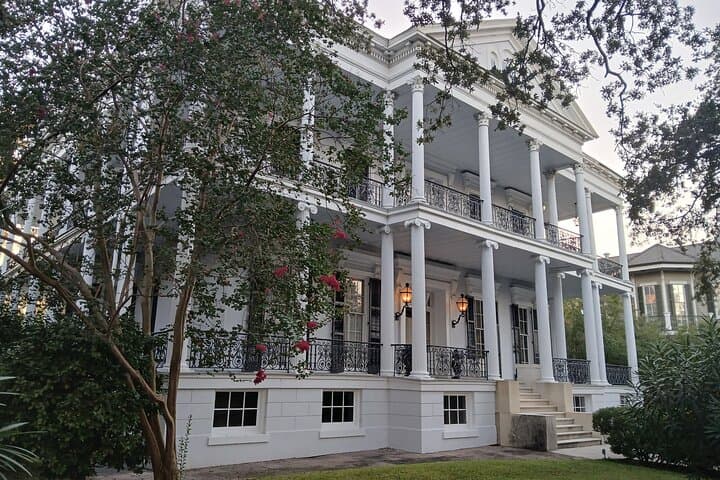
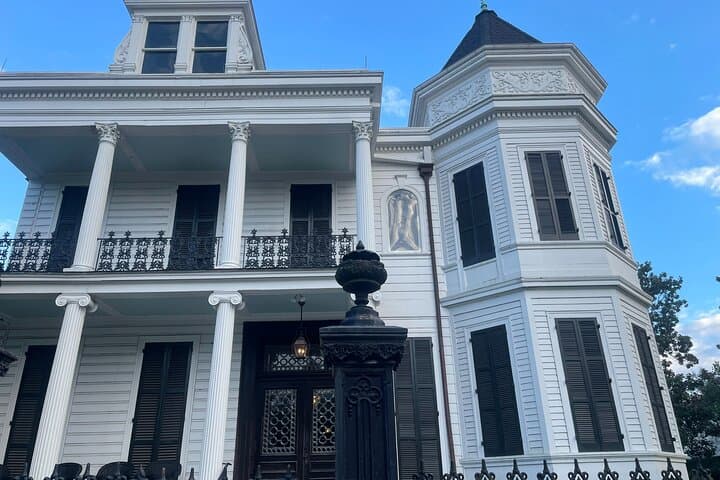
The tour opens under cathedral oaks heavy with Spanish moss, the air carrying coffee steam and distant brass. Walkers thread wide sidewalks past iron fences and white-columned mansions; the city's past presses close in the form of tombs stacked like tiny houses and a hush that makes street noise seem farther away.
Verified experiences and guided adventures in the surrounding area.
Operated by Hottest Hell Tours - Adults Only · New Orleans, Louisiana
The tour opens under cathedral oaks heavy with Spanish moss, the air carrying coffee steam and distant brass. Walkers thread wide sidewalks past iron fences and white-columned mansions; the city's past presses close in the form of tombs stacked like tiny houses and a hush that makes street noise seem farther away.
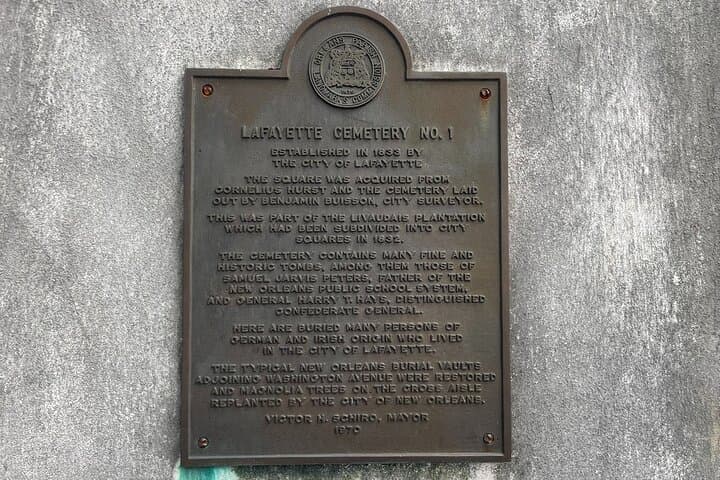
Garden District development began in the early 19th century on the higher natural levee of the Mississippi, where antebellum architects left a ledger of Greek Revival and Italianate facades. Lafayette Cemetery No.1—opened in the 1830s—offers a practical glimpse into historic burial customs with above-ground vaults shaped by social hierarchy and outbreaks of yellow fever. Literary and screen life intersects here: Anne Rice set parts of her novels in the neighborhood and several locations served as visual callbacks in television adaptations.
The tour blends true-crime anecdotes and organized‑crime lore with local cultural context: how plantation wealth shaped street grids, why raised tombs matter in a flood-prone city, and how music and neighborhood ritual continue to define everyday life. Guides point out filming locations, bookshop connections, and neighborhood quirks while reminding guests to respect private property and quiet residential rhythms.
Practical notes: plan for roughly 1.5–2 hours of mostly flat walking on sidewalks, bring a reusable bottle and sun protection, and expect frequent stops for storytelling and photo opportunities. Due to occasional cemetery construction, entry can be restricted—this itinerary emphasizes exterior history and neighborhood stops. Arrive early if you want a pre-tour crepe; late arrivals miss the group check-in.
easy.
1.5–2 hours.
Light walking ability; suitable for most adults who can stand and walk for up to two hours.
Yes; the tour is listed as wheelchair accessible but note that some sidewalks can be uneven—contact the operator ahead to confirm accommodations.
Entry is subject to cemetery access and construction; guides provide exterior interpretation if the cemetery is closed.
The tour includes true-crime and mature themes that may not be suitable for children, so bookings are restricted to adults.
You can receive a full refund if you cancel at least 24 hours before departure; check the operator policy for last-minute changes.
The Garden District grew from the 19th-century town of Lafayette; its raised cemeteries and mansion-lined streets reflect antebellum wealth, yellow-fever responses, and adaptive reuse in modern media.
Visitors should stay on public sidewalks, avoid disturbing grave sites or plantings, and follow local guidance to protect fragile historic masonry and native trees.
Hottest Hell Tours - Adults Only operates guided outdoor trips and adventures with an emphasis on safety, stewardship, and memorable experiences.
The tour opens under cathedral oaks heavy with Spanish moss, the air carrying coffee steam and distant brass. Walkers thread wide sidewalks past iron fences and white-columned mansions; the city's past presses close in the form of tombs stacked like tiny houses and a hush that makes street noise seem farther away.
The tour opens under cathedral oaks heavy with Spanish moss, the air carrying coffee steam and distant brass. Walkers thread wide sidewalks past iron fences and white-columned mansions; the city's past presses close in the form of tombs stacked like tiny houses and a hush that makes street noise seem farther away.
Garden District development began in the early 19th century on the higher natural levee of the Mississippi, where antebellum architects left a ledger of Greek Revival and Italianate facades. Lafayette Cemetery No.1—opened in the 1830s—offers a practical glimpse into historic burial customs with above-ground vaults shaped by social hierarchy and outbreaks of yellow fever. Literary and screen life intersects here: Anne Rice set parts of her novels in the neighborhood and several locations served as visual callbacks in television adaptations.
The tour blends true-crime anecdotes and organized‑crime lore with local cultural context: how plantation wealth shaped street grids, why raised tombs matter in a flood-prone city, and how music and neighborhood ritual continue to define everyday life. Guides point out filming locations, bookshop connections, and neighborhood quirks while reminding guests to respect private property and quiet residential rhythms.
Practical notes: plan for roughly 1.5–2 hours of mostly flat walking on sidewalks, bring a reusable bottle and sun protection, and expect frequent stops for storytelling and photo opportunities. Due to occasional cemetery construction, entry can be restricted—this itinerary emphasizes exterior history and neighborhood stops. Arrive early if you want a pre-tour crepe; late arrivals miss the group check-in.