THE ADVENTURE COLLECTIVE® · Independent discovery and booking for outdoor travel

Explore the cavernous St. Simon Monastery and drive past Manshiyat Naser (Garbage City) on a compact morning tour from downtown Cairo. Learn about the Zabbaleen community, cave churches carved into Moqattam limestone, and traditional papyrus making.
Explore the cavernous St. Simon Monastery and drive past Manshiyat Naser (Garbage City) on a compact morning tour from downtown Cairo. Learn about the Zabbaleen community, cave churches carved into Moqattam limestone, and traditional papyrus making.
A driver navigates Cairo’s dense traffic and deposits you at the foot of the Moqattam hills where the city’s rough edges meet carved rock. Dust and chatter hang in the air; behind a narrow lane the massive amphitheater of St. Simon the Tanner yawns into the cliff — rows of concrete seats carved against stone as if the hill itself were hosting a congregation.
Verified experiences and guided adventures in the surrounding area.
Operated by Amon Ra Toura · Cairo, Cairo Governorate
A driver navigates Cairo’s dense traffic and deposits you at the foot of the Moqattam hills where the city’s rough edges meet carved rock. Dust and chatter hang in the air; behind a narrow lane the massive amphitheater of St. Simon the Tanner yawns into the cliff — rows of concrete seats carved against stone as if the hill itself were hosting a congregation.
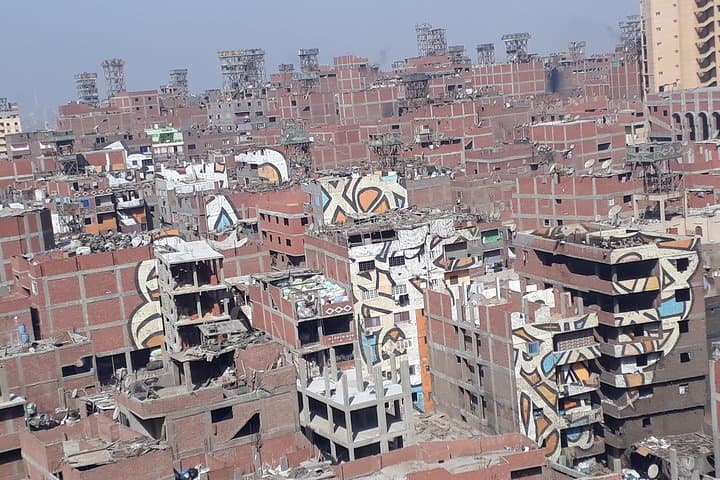
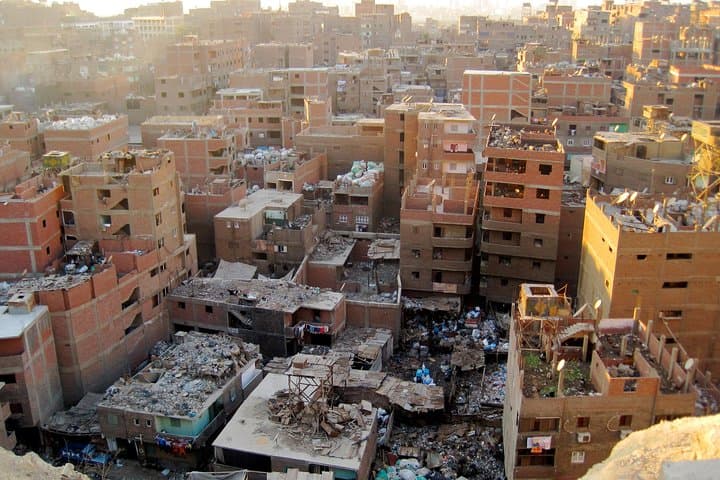
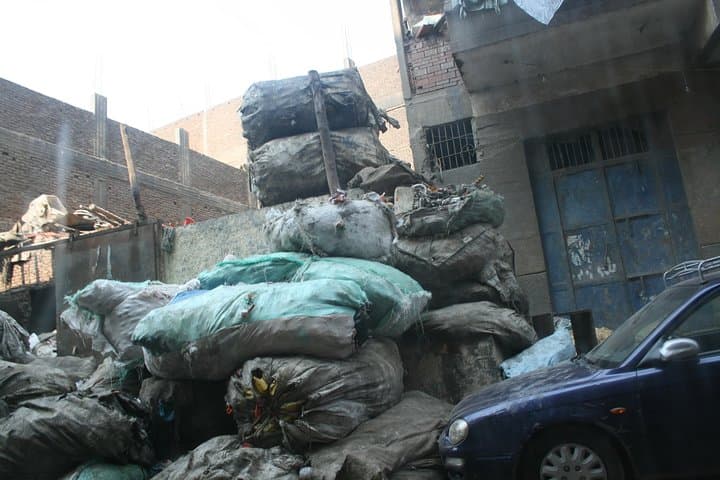
The Moqattam formation is limestone sculpted by millennia of shifting seas and human chisels; Coptic Christians have used its caves for worship since the 7th century in various forms. Manshiyat Naser — known locally as Garbage City — grew from the work of the Zabbaleen, a community that turned refuse into livelihood through informal recycling methods. That intersection of geology and social history is the core of this short urban tour.
Expect a mix of narrow streets, quick stops for photography and a guided walk into the larger Monastery complex where the amphitheater, chapels and panoramic views of eastern Cairo are the highlights. The tour typically includes a stop at a papyrus workshop to see how reeds become sheets of paper, and a drive-by through Manshiyat Naser; for safety, most groups do not disembark into the busiest collection neighborhoods.
Practical notes: wear closed-toe shoes for uneven paths, modest clothing for religious sites, and carry water — Cairo sun can be intense. The visit is cultural first: listen to the guide, respect local residents, and plan for 3–5 hours including pickup and drop-off in central Cairo.
easy.
3–5 hours.
Suitable for most fitness levels; involves short walks and stairs but no strenuous climbs
For safety and respect the tour generally passes through Manshiyat Naser by vehicle; the guide will stop at viewpoints and explain the community’s history rather than entering dense collection areas.
Yes — the Monastery of St. Simon and several cave chapels are part of the visit; be prepared for stairs and concrete amphitheater seating.
Yes, hotel pickup and drop-off in central Cairo or Giza are typically included; confirm your pickup location at booking.
The tour notes list a minimum age of 18; check with the operator if you plan to bring younger travelers as rules may vary.
Manshiyat Naser developed around informal recycling by the Zabbaleen community; St. Simon’s cave churches were expanded into the modern amphitheater in the late 20th century.
The Zabbaleen recycling practices turn much of Cairo’s organic waste into reusable material; visitors should avoid contributing single-use trash and respect community recycling efforts.
Amon Ra Toura operates guided outdoor trips and adventures with an emphasis on safety, stewardship, and memorable experiences.

A driver navigates Cairo’s dense traffic and deposits you at the foot of the Moqattam hills where the city’s rough edges meet carved rock. Dust and chatter hang in the air; behind a narrow lane the massive amphitheater of St. Simon the Tanner yawns into the cliff — rows of concrete seats carved against stone as if the hill itself were hosting a congregation.
A driver navigates Cairo’s dense traffic and deposits you at the foot of the Moqattam hills where the city’s rough edges meet carved rock. Dust and chatter hang in the air; behind a narrow lane the massive amphitheater of St. Simon the Tanner yawns into the cliff — rows of concrete seats carved against stone as if the hill itself were hosting a congregation.
The Moqattam formation is limestone sculpted by millennia of shifting seas and human chisels; Coptic Christians have used its caves for worship since the 7th century in various forms. Manshiyat Naser — known locally as Garbage City — grew from the work of the Zabbaleen, a community that turned refuse into livelihood through informal recycling methods. That intersection of geology and social history is the core of this short urban tour.
Expect a mix of narrow streets, quick stops for photography and a guided walk into the larger Monastery complex where the amphitheater, chapels and panoramic views of eastern Cairo are the highlights. The tour typically includes a stop at a papyrus workshop to see how reeds become sheets of paper, and a drive-by through Manshiyat Naser; for safety, most groups do not disembark into the busiest collection neighborhoods.
Practical notes: wear closed-toe shoes for uneven paths, modest clothing for religious sites, and carry water — Cairo sun can be intense. The visit is cultural first: listen to the guide, respect local residents, and plan for 3–5 hours including pickup and drop-off in central Cairo.