THE ADVENTURE COLLECTIVE® · Independent discovery and booking for outdoor travel

Step into Garajonay’s laurel forest on a guided 4–5 hour hike through mossy ravines, volcanic ridges and UNESCO-protected woodland. Learn local legends, geology and conservation while traversing trails suitable for most walkers.
Step into Garajonay’s laurel forest on a guided 4–5 hour hike through mossy ravines, volcanic ridges and UNESCO-protected woodland. Learn local legends, geology and conservation while traversing trails suitable for most walkers.
Fog and light move like a tide through the laurel trees as you step off the ridgeline and into a world older than most maps. The trunks are black with moss, the ground springy underfoot; the air smells of damp stone and green leaves. On this guided hike through Garajonay National Park you walk through a living remnant of the Tertiary laurisilva, where the forest keeps its own weather and the island’s volcanic bones show along ridges and basalt outcrops.
Verified experiences and guided adventures in the surrounding area.
Operated by Gomera en Moto · San Sebastián de La Gomera, Canary Islands
Fog and light move like a tide through the laurel trees as you step off the ridgeline and into a world older than most maps. The trunks are black with moss, the ground springy underfoot; the air smells of damp stone and green leaves. On this guided hike through Garajonay National Park you walk through a living remnant of the Tertiary laurisilva, where the forest keeps its own weather and the island’s volcanic bones show along ridges and basalt outcrops.
Garajonay was protected early for its botanical importance and declared a UNESCO World Heritage site for preserving one of Europe’s last laurel forests. Geologically, La Gomera is the eroded crest of a shield volcano — trails climb and descend old lava flows and weathered rhyolite, producing compact climbs and sudden viewpoints. Culturally, guides weave local lore—most visitors hear the legend of Gara and Jonay—and point out how shepherding and terrace agriculture shaped the island’s valleys.
Practical guidance: the tour runs about 4–5 hours on varied singletrack and dirt roads with short steep sections; expect uneven roots and slick rock in wet conditions. Wear sturdy boots with grip, bring 1–2 liters of water, layered clothing for sudden fog, and snacks for energy. The route is suitable for most fit walkers but includes some sustained climbs; sun protection is still important above the treeline. Leave no trace, follow the guide, and pause often — the forest rewards slow walking with quiet birdsong and mossy alcoves that ask you to listen.
moderate.
4–5 hours.
Suitable for hikers in regular aerobic condition comfortable with steady climbs and uneven ground.
Moderate fitness is sufficient — the route includes sustained climbs and uneven terrain but no technical scrambling; pace is steady with rest stops.
Most bookings meet in or near San Sebastián de La Gomera; confirm exact pickup/meeting details with the operator as some tours include local pickup.
Facilities are limited inside the park — use restrooms in towns before the hike and bring full water; refill points are not guaranteed on the trail.
Guides typically share history, geology and local legends and many tours are family-friendly; check language and age recommendations when booking.
Garajonay’s forest preserves a laurisilva type that dominated Europe millions of years ago and the park is linked to local myths such as the legend of Gara and Jonay.
The park is sensitive to erosion and invasive species; stay on trails, pack out waste, and follow guide instructions to minimize impact.
Gomera en Moto operates guided outdoor trips and adventures with an emphasis on safety, stewardship, and memorable experiences.
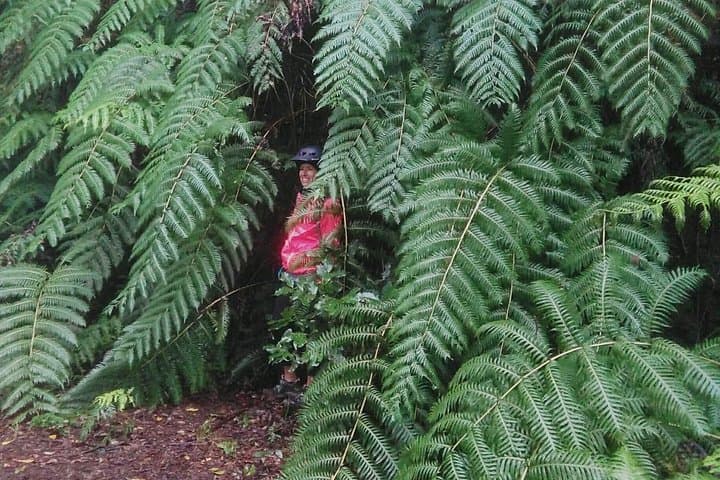
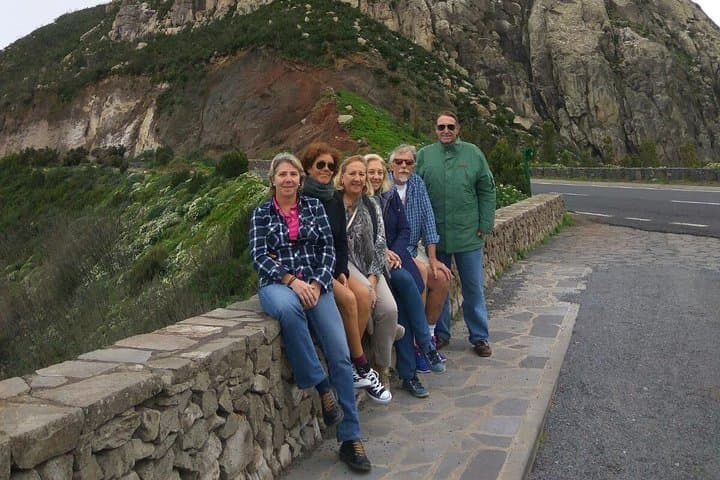
Fog and light move like a tide through the laurel trees as you step off the ridgeline and into a world older than most maps. The trunks are black with moss, the ground springy underfoot; the air smells of damp stone and green leaves. On this guided hike through Garajonay National Park you walk through a living remnant of the Tertiary laurisilva, where the forest keeps its own weather and the island’s volcanic bones show along ridges and basalt outcrops.
Fog and light move like a tide through the laurel trees as you step off the ridgeline and into a world older than most maps. The trunks are black with moss, the ground springy underfoot; the air smells of damp stone and green leaves. On this guided hike through Garajonay National Park you walk through a living remnant of the Tertiary laurisilva, where the forest keeps its own weather and the island’s volcanic bones show along ridges and basalt outcrops.
Garajonay was protected early for its botanical importance and declared a UNESCO World Heritage site for preserving one of Europe’s last laurel forests. Geologically, La Gomera is the eroded crest of a shield volcano — trails climb and descend old lava flows and weathered rhyolite, producing compact climbs and sudden viewpoints. Culturally, guides weave local lore—most visitors hear the legend of Gara and Jonay—and point out how shepherding and terrace agriculture shaped the island’s valleys.
Practical guidance: the tour runs about 4–5 hours on varied singletrack and dirt roads with short steep sections; expect uneven roots and slick rock in wet conditions. Wear sturdy boots with grip, bring 1–2 liters of water, layered clothing for sudden fog, and snacks for energy. The route is suitable for most fit walkers but includes some sustained climbs; sun protection is still important above the treeline. Leave no trace, follow the guide, and pause often — the forest rewards slow walking with quiet birdsong and mossy alcoves that ask you to listen.