THE ADVENTURE COLLECTIVE® · Independent discovery and booking for outdoor travel

Stay dry while great white sharks patrol Shark Alley off Dyer Island. This 4–5 hour viewing cruise from Gansbaai pairs close-up marine encounters with conservation-focused research and a post-trip meal.
Stay dry while great white sharks patrol Shark Alley off Dyer Island. This 4–5 hour viewing cruise from Gansbaai pairs close-up marine encounters with conservation-focused research and a post-trip meal.
The crew house smells of coffee and salty wax as the boat slips from the jetty and the coastline thins into open water. Within twenty minutes the hull rocks into Shark Alley, where currents pull at the surface and the sea seems to lean toward the island. On the viewing deck you stay dry while great whites investigate the commotion below — fins slicing the blue, black eyes surveying the bait.
Verified experiences and guided adventures in the surrounding area.
Operated by White Shark Diving Company · Gansbaai, Western Cape
The crew house smells of coffee and salty wax as the boat slips from the jetty and the coastline thins into open water. Within twenty minutes the hull rocks into Shark Alley, where currents pull at the surface and the sea seems to lean toward the island. On the viewing deck you stay dry while great whites investigate the commotion below — fins slicing the blue, black eyes surveying the bait.
This stretch of the Western Cape has been carved from ancient granite and weathered sandstone, its cliffs a record of slow uplift and pounding swells. Dyer Island and nearby Seal Island have long been focal points for both local fishers and researchers; today nonprofit programs base field studies here to track shark movements and protect breeding colonies of Cape fur seals. The fishing culture of Gansbaai shifted over decades from trunks of commerce to conservation-minded tourism, and many operators contribute data to marine researchers.
Practical guidance: expect a 4–5 hour outing that includes a light breakfast, safety briefing, a 20-minute boat run, and a post-trip meal at the crew house. Dress in windproof layers, bring motion-sickness medication if you’re prone to seasickness, and carry a camera with a zoom lens — sightings aren’t guaranteed, but the operator offers no-shark vouchers valid for two years. Mobility access is advertised, and groups are capped for a personal experience.
Timing morning departures with calmer seas improves viewing. Respect the research staff and follow safety briefings — the ocean is curious, but the rules keep encounters safe.
easy.
4–5 hours.
Suitable for most people with basic mobility; brief standing and stair access aboard.
No. Sightings depend on animal behavior and sea conditions; the operator offers two-year no-shark vouchers if sharks are not seen.
This specific product is viewing-only — guests remain dry on the deck while cage divers enter the water on separate bookings.
Trips are family-friendly and the operator lists wheelchair-accessible facilities, but check specific boarding requirements beforehand.
The tour may be canceled for bad weather or insufficient travelers; cancel at least 24 hours before departure for a full refund per the operator’s policy.
Gansbaai evolved from a small fishing settlement into a hub for marine research and ecotourism; Dyer Island has long been noted for dense seal colonies that attract apex predators.
Operators collaborate with local research NPOs to collect sighting data and support the Dyer Island Marine Protected Area; follow guidelines to minimize disturbance.
White Shark Diving Company operates guided outdoor trips and adventures with an emphasis on safety, stewardship, and memorable experiences.
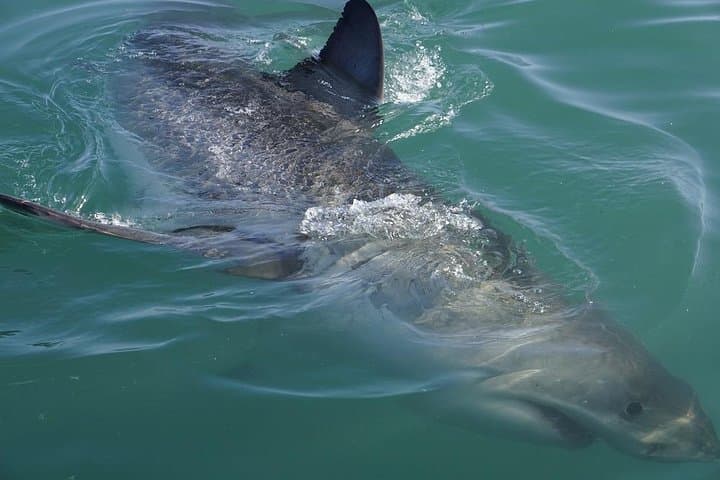
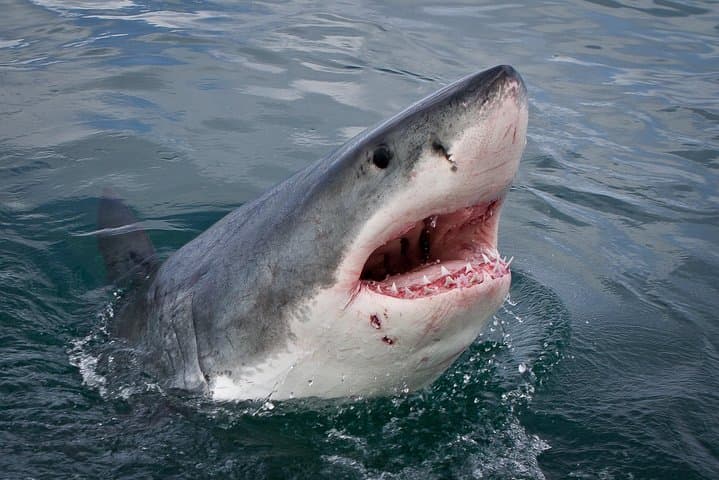
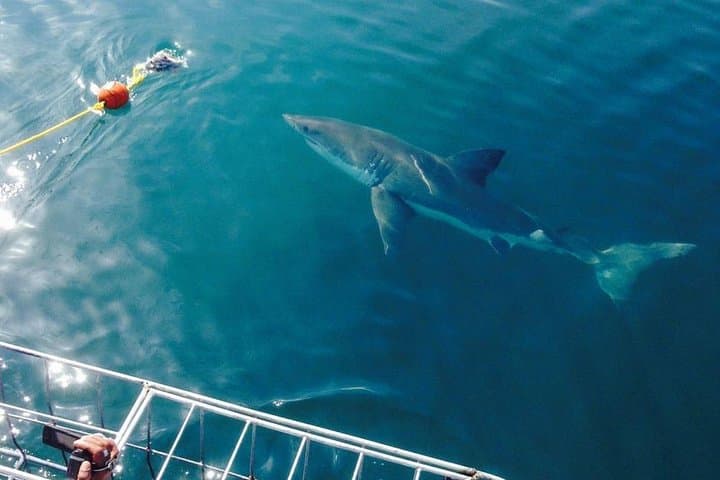
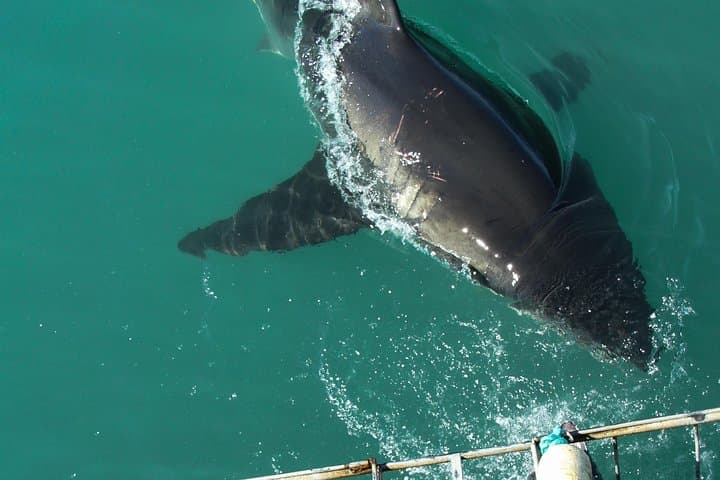
The crew house smells of coffee and salty wax as the boat slips from the jetty and the coastline thins into open water. Within twenty minutes the hull rocks into Shark Alley, where currents pull at the surface and the sea seems to lean toward the island. On the viewing deck you stay dry while great whites investigate the commotion below — fins slicing the blue, black eyes surveying the bait.
The crew house smells of coffee and salty wax as the boat slips from the jetty and the coastline thins into open water. Within twenty minutes the hull rocks into Shark Alley, where currents pull at the surface and the sea seems to lean toward the island. On the viewing deck you stay dry while great whites investigate the commotion below — fins slicing the blue, black eyes surveying the bait.
This stretch of the Western Cape has been carved from ancient granite and weathered sandstone, its cliffs a record of slow uplift and pounding swells. Dyer Island and nearby Seal Island have long been focal points for both local fishers and researchers; today nonprofit programs base field studies here to track shark movements and protect breeding colonies of Cape fur seals. The fishing culture of Gansbaai shifted over decades from trunks of commerce to conservation-minded tourism, and many operators contribute data to marine researchers.
Practical guidance: expect a 4–5 hour outing that includes a light breakfast, safety briefing, a 20-minute boat run, and a post-trip meal at the crew house. Dress in windproof layers, bring motion-sickness medication if you’re prone to seasickness, and carry a camera with a zoom lens — sightings aren’t guaranteed, but the operator offers no-shark vouchers valid for two years. Mobility access is advertised, and groups are capped for a personal experience.
Timing morning departures with calmer seas improves viewing. Respect the research staff and follow safety briefings — the ocean is curious, but the rules keep encounters safe.