THE ADVENTURE COLLECTIVE® · Independent discovery and booking for outdoor travel

Step aboard in Kleinbaai for a full-day shark cage diving excursion to Dyer Island and Geyser Rock. This pragmatic guide covers what to expect, why the area draws great whites, and how to prepare for an eight-hour marine adventure.
Step aboard in Kleinbaai for a full-day shark cage diving excursion to Dyer Island and Geyser Rock. This pragmatic guide covers what to expect, why the area draws great whites, and how to prepare for an eight-hour marine adventure.
The boat slips free of the harbour at Kleinbaai and the horizon opens into a blue that feels both empty and watchful. Salt spray cuts the air as the crew sets bait and the metal cage rattles—every movement measured, practiced, essential. Islands rise as dark granitic shapes: Dyer Island and Geyser Rock, where seals cluster and the ocean seems to be holding its breath.
Verified experiences and guided adventures in the surrounding area.
Operated by Mutore Tours · Gansbaai, Western Cape
The boat slips free of the harbour at Kleinbaai and the horizon opens into a blue that feels both empty and watchful. Salt spray cuts the air as the crew sets bait and the metal cage rattles—every movement measured, practiced, essential. Islands rise as dark granitic shapes: Dyer Island and Geyser Rock, where seals cluster and the ocean seems to be holding its breath.
This stretch of Walker Bay has long been a working coastline — fishermen, guano collectors like Samson Dyer in the 19th century, and now marine biologists and operators who balance tourism with research. The granite shoreline and submerged reefs create currents that funnel seals and, in turn, apex predators. Local culture retains a practical blend of fishing heritage and growing conservation awareness; several operators in Gansbaai collaborate with researchers studying shark behavior.
Expect a full-day outing (about eight hours shore-to-shore) that includes a boat transfer, safety briefings, and multiple cage sessions depending on conditions. Seas vary — calm mornings are best — and operators often provide wetsuits and life vests but not dry clothes. Practical preparations: take anti-nausea medication ahead of time, layer for wind and spray, secure cameras in waterproof housings, and follow crew instructions when entering and exiting the cage.
This is an active, sometimes rough, marine experience that rewards patience and respect for wildlife. Choose operators that emphasize research and minimal chumming, arrive with realistic expectations for weather, and leave space for the wildness of the sea to decide the day.
moderate.
8 hours.
Moderate fitness; ability to step on/off boats and stand in the cage for short intervals is required
Policies vary; infants must sit on an adult's lap and some operators set minimum age limits — check with the operator before booking.
Operators follow strict safety protocols and trained crew supervise every entry; however, the activity has inherent risks and is unsuitable for pregnant travelers.
Basic swimming ability is recommended but not mandatory; life vests are provided and the cage keeps you secure in the water.
Most operators allow full refunds if you cancel at least 24 hours in advance and may cancel for bad weather or insufficient passengers.
The area around Gansbaai developed from 19th-century fishing and guano-collection activities (including those by Samson Dyer) into a hub for maritime work and, more recently, marine research and tourism.
Choose operators that participate in tagging or research programs and adhere to codes that limit active chumming; responsible practices reduce stress on wildlife and protect local ecosystems.
Mutore Tours operates guided outdoor trips and adventures with an emphasis on safety, stewardship, and memorable experiences.
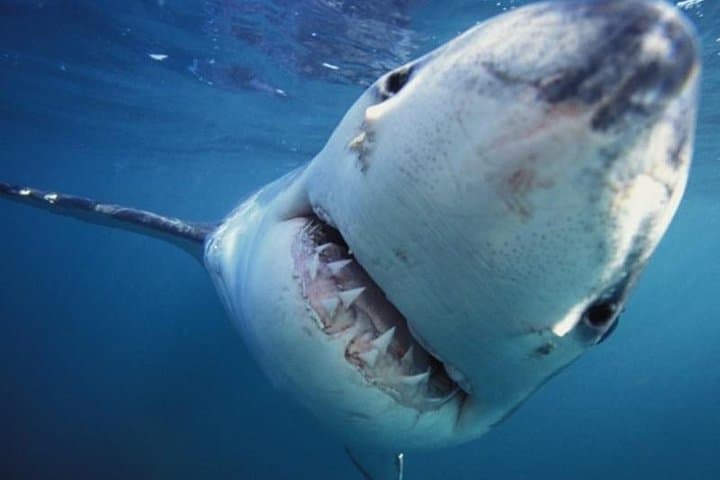

The boat slips free of the harbour at Kleinbaai and the horizon opens into a blue that feels both empty and watchful. Salt spray cuts the air as the crew sets bait and the metal cage rattles—every movement measured, practiced, essential. Islands rise as dark granitic shapes: Dyer Island and Geyser Rock, where seals cluster and the ocean seems to be holding its breath.
The boat slips free of the harbour at Kleinbaai and the horizon opens into a blue that feels both empty and watchful. Salt spray cuts the air as the crew sets bait and the metal cage rattles—every movement measured, practiced, essential. Islands rise as dark granitic shapes: Dyer Island and Geyser Rock, where seals cluster and the ocean seems to be holding its breath.
This stretch of Walker Bay has long been a working coastline — fishermen, guano collectors like Samson Dyer in the 19th century, and now marine biologists and operators who balance tourism with research. The granite shoreline and submerged reefs create currents that funnel seals and, in turn, apex predators. Local culture retains a practical blend of fishing heritage and growing conservation awareness; several operators in Gansbaai collaborate with researchers studying shark behavior.
Expect a full-day outing (about eight hours shore-to-shore) that includes a boat transfer, safety briefings, and multiple cage sessions depending on conditions. Seas vary — calm mornings are best — and operators often provide wetsuits and life vests but not dry clothes. Practical preparations: take anti-nausea medication ahead of time, layer for wind and spray, secure cameras in waterproof housings, and follow crew instructions when entering and exiting the cage.
This is an active, sometimes rough, marine experience that rewards patience and respect for wildlife. Choose operators that emphasize research and minimal chumming, arrive with realistic expectations for weather, and leave space for the wildness of the sea to decide the day.