THE ADVENTURE COLLECTIVE® · Independent discovery and booking for outdoor travel

Board a boat from Kleinbaai for a full-day shark cage diving tour that combines a scenic 2‑hour drive from Cape Town, offshore time seeking great whites, and return along Clarens Drive. Weather-dependent and physically active, the trip blends wildlife viewing with hands-on boat work.
Board a boat from Kleinbaai for a full-day shark cage diving tour that combines a scenic 2‑hour drive from Cape Town, offshore time seeking great whites, and return along Clarens Drive. Weather-dependent and physically active, the trip blends wildlife viewing with hands-on boat work.
You step out of the van at Kleinbaai and the Atlantic wind immediately claims your hat; the harbor smells of cold salt and diesel, gulls quarrel over the day’s catch and the crew readies the cage.
Verified experiences and guided adventures in the surrounding area.
Operated by WOW Travel and Tours · Gansbaai, Western Cape
You step out of the van at Kleinbaai and the Atlantic wind immediately claims your hat; the harbor smells of cold salt and diesel, gulls quarrel over the day’s catch and the crew readies the cage.
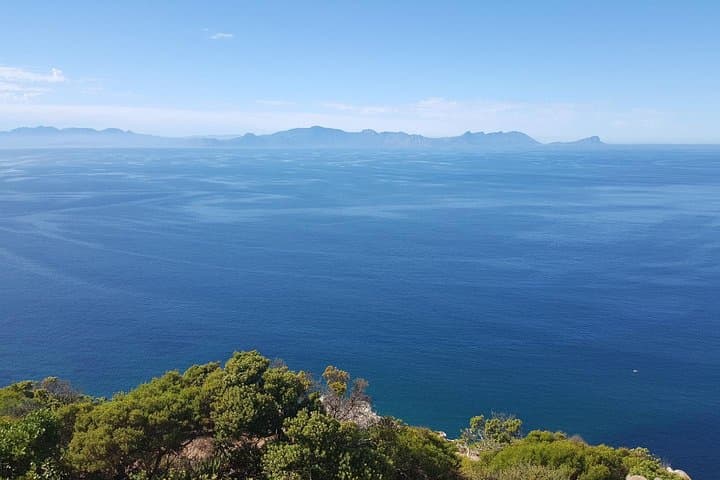
The driving route — Sir Lowry’s Pass then past Hermanus and along Clarens Drive on return — sketches the coastal geology: folded Cape granite meeting younger sedimentary rocks, cliffs carved by wave action and river mouths that funnel marine life. The area’s maritime history runs from early fishing communities to modern conservation efforts centered on Dyer Island and the small-mesh marine protected zones that have helped sustain seal colonies and the sharks that hunt them.
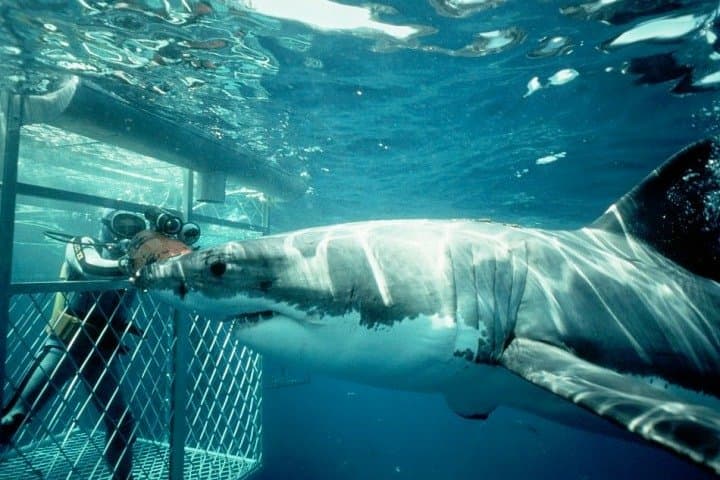
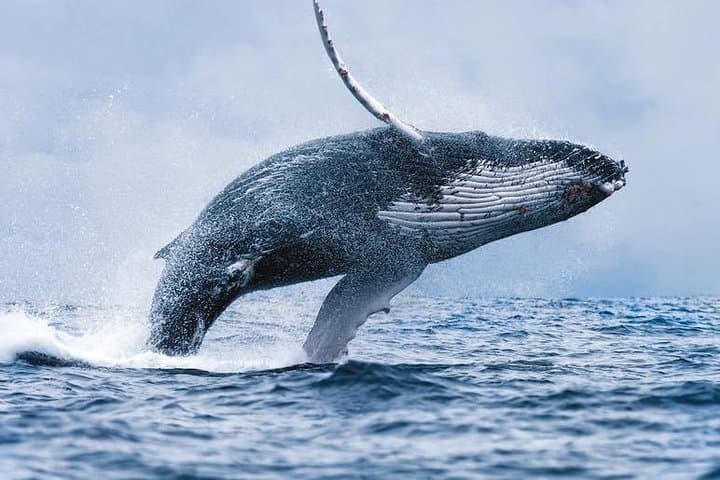
On the water you’ll experience three hours of offshore searching for great whites, often accompanied by dolphins and, in winter, southern right whales breaching in the distance. The cage sits low and stable; the ocean’s movements insist you move deliberately — ladders, hips and secure footing matter.
Practical guidance: expect a full 8‑hour day including scenic drives; tours are weather-dependent and delayed or canceled in rough seas. Bring sea‑sickness medication ahead of time, a waterproof layer for wind and spray, and a camera with a wrist tether or an operator-approved housing — loose phones are risky. Operators brief on safety, but people with serious heart, spinal, or pregnancy concerns should avoid this activity.
This is a high-adrenaline wildlife encounter that rewards patience, respect for marine life, and a readiness to embrace cold, wet, exhilarating conditions.
moderate.
8 hours.
Moderate fitness—able to climb boat ladders, stand on a moving deck, and enter/exit a low cage; not suitable for those with serious cardiovascular or spinal conditions.
Expect roughly 2–3 hours of offshore time focused on locating and positioning for cage dives; total trip including drives and briefings is about 8 hours.
Operators follow strict safety protocols and trained crew manage the cage; however the activity involves inherent marine risks—obey crew instructions and disclose medical issues when booking.
Yes if secured with a wrist strap or in an approved waterproof housing; some operators restrict loose items for safety—ask during briefing.
Great whites are present year‑round, with higher encounter likelihood in austral winter and spring; whale sightings peak in winter near Hermanus.
Gansbaai developed as a fishing and canning hub; nearby Dyer Island has a long history as a seal breeding area and now anchors marine research and ecotourism.
Responsible operators work within local regulations to minimize baiting impacts and support shark research; avoid tours that encourage unsafe interactions or over‑feeding.
WOW Travel and Tours operates guided outdoor trips and adventures with an emphasis on safety, stewardship, and memorable experiences.
You step out of the van at Kleinbaai and the Atlantic wind immediately claims your hat; the harbor smells of cold salt and diesel, gulls quarrel over the day’s catch and the crew readies the cage.
You step out of the van at Kleinbaai and the Atlantic wind immediately claims your hat; the harbor smells of cold salt and diesel, gulls quarrel over the day’s catch and the crew readies the cage.
The driving route — Sir Lowry’s Pass then past Hermanus and along Clarens Drive on return — sketches the coastal geology: folded Cape granite meeting younger sedimentary rocks, cliffs carved by wave action and river mouths that funnel marine life. The area’s maritime history runs from early fishing communities to modern conservation efforts centered on Dyer Island and the small-mesh marine protected zones that have helped sustain seal colonies and the sharks that hunt them.
On the water you’ll experience three hours of offshore searching for great whites, often accompanied by dolphins and, in winter, southern right whales breaching in the distance. The cage sits low and stable; the ocean’s movements insist you move deliberately — ladders, hips and secure footing matter.
Practical guidance: expect a full 8‑hour day including scenic drives; tours are weather-dependent and delayed or canceled in rough seas. Bring sea‑sickness medication ahead of time, a waterproof layer for wind and spray, and a camera with a wrist tether or an operator-approved housing — loose phones are risky. Operators brief on safety, but people with serious heart, spinal, or pregnancy concerns should avoid this activity.
This is a high-adrenaline wildlife encounter that rewards patience, respect for marine life, and a readiness to embrace cold, wet, exhilarating conditions.