THE ADVENTURE COLLECTIVE® · Independent discovery and booking for outdoor travel

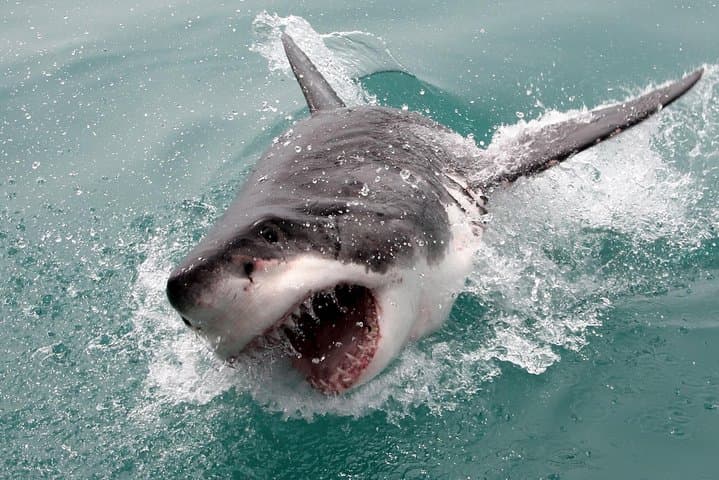
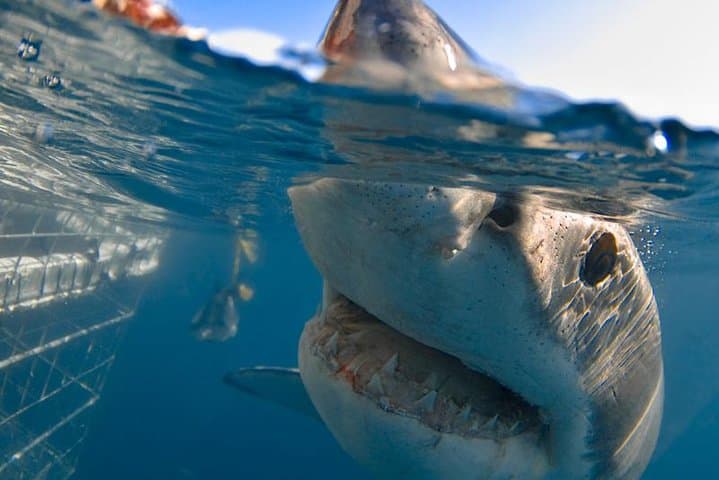
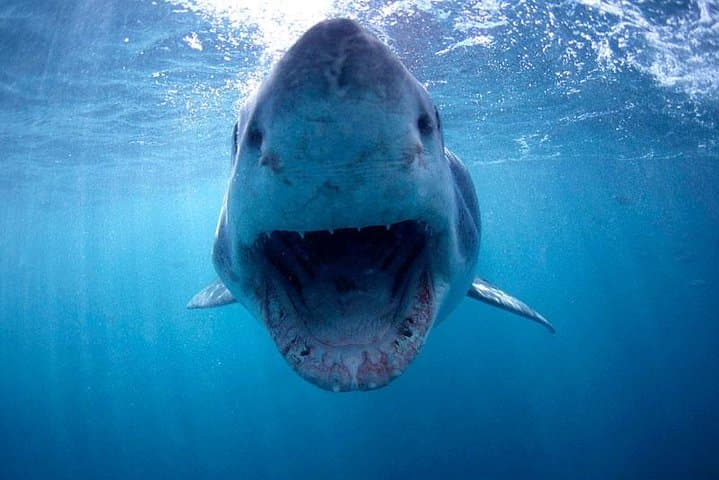
Head to Gansbaai for a full-day shark cage diving trip from Cape Town—an 8‑hour outing that pairs boat time near Dyer Island with close-up views of great white sharks, seals and seasonal whales. Expect early pickup, practical safety briefings and 2–3 hours at the anchorage when conditions permit.
Head to Gansbaai for a full-day shark cage diving trip from Cape Town—an 8‑hour outing that pairs boat time near Dyer Island with close-up views of great white sharks, seals and seasonal whales. Expect early pickup, practical safety briefings and 2–3 hours at the anchorage when conditions permit.
Dawn arrives as a minivan peels away from Cape Town, the city receding into a strip of lights while the coastline opens to cold, briny air. By the time the boat leaves Gansbaai harbour you feel the Atlantic’s presence: wind in your face, the boat’s bow cutting the swell, and Dyer Island a dark knot on the horizon where seals congregate and sharks patrol.
Verified experiences and guided adventures in the surrounding area.
Operated by Matadi Africa And Travel Tours · Gansbaai, Western Cape
Dawn arrives as a minivan peels away from Cape Town, the city receding into a strip of lights while the coastline opens to cold, briny air. By the time the boat leaves Gansbaai harbour you feel the Atlantic’s presence: wind in your face, the boat’s bow cutting the swell, and Dyer Island a dark knot on the horizon where seals congregate and sharks patrol.
The southern Cape’s coastline is shaped by the Benguela Current and frequent upwelling, a geological engine that concentrates fish and creates the feeding grounds that attract great white sharks. Gansbaai grew as a fishing and sealing port; Dyer Island—named for early settler Samson Dyer—still hosts large seal colonies that pull predators into view. The experience is both natural history and a practical operation: safety briefings, wetsuits and masks provided, and a trained crew that times the drop to maximize sightings when visibility exceeds 3 meters.
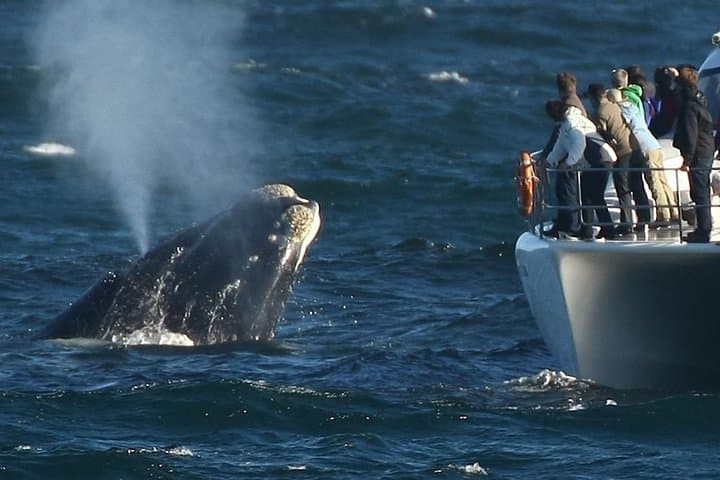
Expect a long day—early pickup, a 90–120 minute drive from central Cape Town, then roughly 2–3 hours at the anchorage with 8 hours total logistics. Seas can be calm or choppy; the activity requires moderate fitness and no advanced dive certification. In season (July–November) southern right whales may surface nearby, while seabirds wheel overhead.
Practical tips: take seasickness medication before boarding, dress in warm layers, bring a waterproof camera and secure ID for transfers. The tour balances adrenaline with methodical safety: you share the water with one of the ocean’s most efficient predators while the crew manages the details so you can focus on the encounter.
moderate.
8 hours.
Moderate fitness: you should be able to step on/off a small boat, stand on deck, and manage short ladder climbs into the cage.
Yes—wetsuits and masks are provided for the water portion; they’re sized during briefing so participants can enter the cage comfortably.
Operators follow strict safety protocols, use experienced crews, and keep guests in secure cages; however, the activity carries inherent risks associated with the ocean and wildlife encounters.
Non-swimmers can participate since the cage keeps you upright in the water, but you should be comfortable with being in the ocean and able to follow safety instructions.
Southern right whales visit from July to November—book in those months for a higher chance of combined whale and shark sightings.
Gansbaai developed as a fishing and sealing centre; Dyer Island’s natural history and the region’s maritime economy have long drawn both industry and researchers.
Local operators work with researchers conducting photo-ID and tagging; visitors should follow crew instructions to minimize disturbance and avoid feeding or touching wildlife.
Matadi Africa And Travel Tours operates guided outdoor trips and adventures with an emphasis on safety, stewardship, and memorable experiences.
Dawn arrives as a minivan peels away from Cape Town, the city receding into a strip of lights while the coastline opens to cold, briny air. By the time the boat leaves Gansbaai harbour you feel the Atlantic’s presence: wind in your face, the boat’s bow cutting the swell, and Dyer Island a dark knot on the horizon where seals congregate and sharks patrol.
Dawn arrives as a minivan peels away from Cape Town, the city receding into a strip of lights while the coastline opens to cold, briny air. By the time the boat leaves Gansbaai harbour you feel the Atlantic’s presence: wind in your face, the boat’s bow cutting the swell, and Dyer Island a dark knot on the horizon where seals congregate and sharks patrol.
The southern Cape’s coastline is shaped by the Benguela Current and frequent upwelling, a geological engine that concentrates fish and creates the feeding grounds that attract great white sharks. Gansbaai grew as a fishing and sealing port; Dyer Island—named for early settler Samson Dyer—still hosts large seal colonies that pull predators into view. The experience is both natural history and a practical operation: safety briefings, wetsuits and masks provided, and a trained crew that times the drop to maximize sightings when visibility exceeds 3 meters.
Expect a long day—early pickup, a 90–120 minute drive from central Cape Town, then roughly 2–3 hours at the anchorage with 8 hours total logistics. Seas can be calm or choppy; the activity requires moderate fitness and no advanced dive certification. In season (July–November) southern right whales may surface nearby, while seabirds wheel overhead.
Practical tips: take seasickness medication before boarding, dress in warm layers, bring a waterproof camera and secure ID for transfers. The tour balances adrenaline with methodical safety: you share the water with one of the ocean’s most efficient predators while the crew manages the details so you can focus on the encounter.