THE ADVENTURE COLLECTIVE® · Independent discovery and booking for outdoor travel

Board a vessel from Kleinbaai and experience two marine extremes: the adrenaline of cage-diving with great whites and the gentle spectacle of migrating whales in Walker Bay. This combo tour pairs expert crew, safety briefings and onboard meals with the region’s rich wildlife and rugged coastline.
Board a vessel from Kleinbaai and experience two marine extremes: the adrenaline of cage-diving with great whites and the gentle spectacle of migrating whales in Walker Bay. This combo tour pairs expert crew, safety briefings and onboard meals with the region’s rich wildlife and rugged coastline.
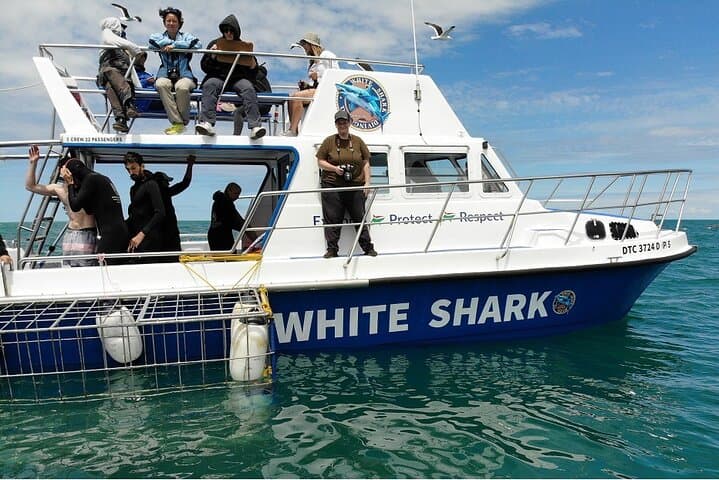
The aluminum slipway rattles underfoot as the boat eases away from Kleinbaai and into Walker Bay; sea spray cuts cool and the horizon tightens into a strip of wind-scoured blue. On this combo tour visitors alternate between two very different kinds of marine theatre — the close, contained intensity of a shark cage and the sweeping, slow-motion grace of migratory whales.
Verified experiences and guided adventures in the surrounding area.
Operated by White Shark Diving Company · Gansbaai, Western Cape
The aluminum slipway rattles underfoot as the boat eases away from Kleinbaai and into Walker Bay; sea spray cuts cool and the horizon tightens into a strip of wind-scoured blue. On this combo tour visitors alternate between two very different kinds of marine theatre — the close, contained intensity of a shark cage and the sweeping, slow-motion grace of migratory whales.
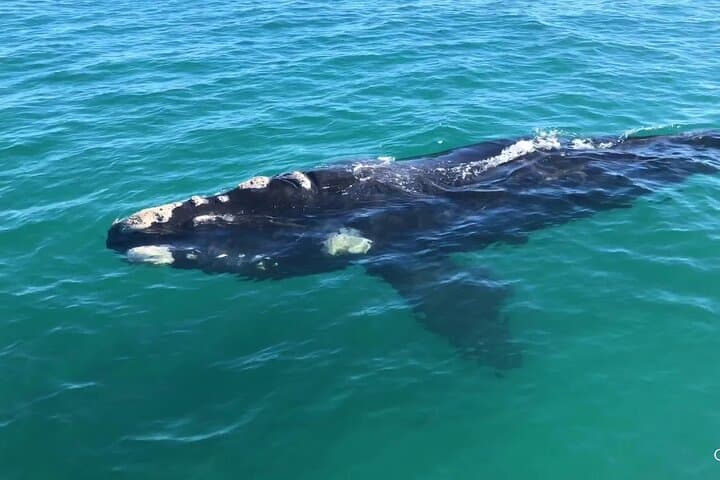
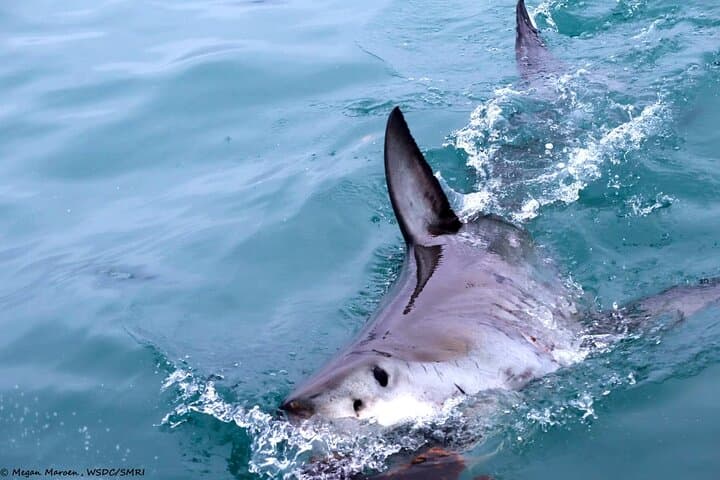
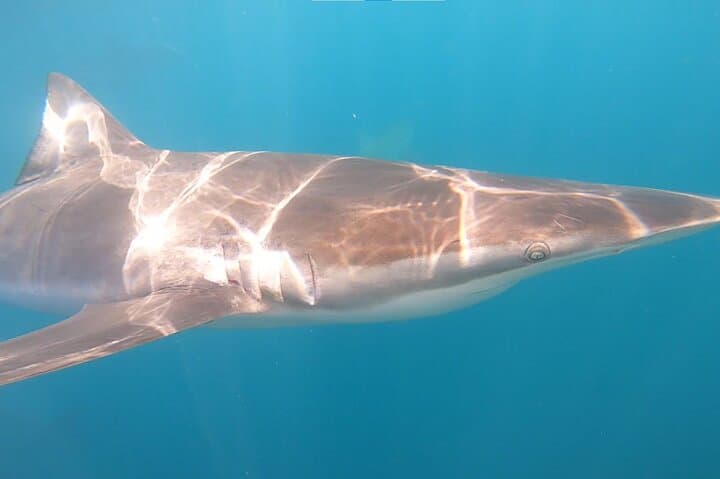
Gansbaai sits where nutrient-rich currents meet a steep, rocky coastline and nearby Dyer Island supports a dense seal colony. That ecology draws great white sharks and makes the area one of the world’s reliable shark-viewing sites. Walker Bay is also a seasonal corridor for southern right whales that travel from Antarctic feeding grounds to calving waters along the Western Cape.
The region’s maritime culture shifted from commercial fishing and past whaling to conservation-minded ecotourism; local operators now balance viewing with protection measures and research partnerships.
Practically, expect a full day (approximately 6–8 hours) beginning with a safety briefing, breakfast and a short transit to the dive site. Crew will brief cage entry, ladder use and surface safety; sightings aren’t guaranteed, and operators often use experienced tracking and baiting techniques to attract sharks. Whale watching may be booked the same day or separately, and both outings include snacks, drinks and lunch.
Plan for wind, cold spray and boat motion: wear layered, windproof clothing, non-slip shoes and stow cameras in waterproof cases. Bring seasickness remedies if you’re prone, and arrive with ID and any necessary medical notes. Respect crew instructions — they manage both your safety and the animals’ welfare.
moderate.
6–8 hours.
Suitable for most fitness levels but requires basic mobility for boarding, ladder climbs and standing on a moving deck for extended periods.
Sightings cannot be guaranteed—shark and whale presence depends on animal movement and conditions. Operators use tracking, local knowledge and baiting for sharks; if sharks aren’t seen some companies issue a voucher for a return trip.
No certification is required. Cage diving is a surface activity; crew provide a safety briefing and assist with cage entry and exits. Basic swimming ability is recommended.
Many operators allow children and are wheelchair accessible for shore facilities, but boarding and ladder use require mobility. Check age limits and notify the operator of special requirements during booking.
Eat a light, stable meal and stay hydrated; avoid heavy, greasy foods before boarding. Onboard provisions usually include breakfast, snacks, bottled water and lunch.
Gansbaai evolved from a fishing and whaling economy into a center for marine ecotourism; Dyer Island’s seal colony has long shaped local livelihoods and research efforts.
Operators work with local research groups and adhere to wildlife codes of conduct; visitors should avoid littering, follow approach distances and respect no-feed rules to minimize disturbance.
White Shark Diving Company operates guided outdoor trips and adventures with an emphasis on safety, stewardship, and memorable experiences.
The aluminum slipway rattles underfoot as the boat eases away from Kleinbaai and into Walker Bay; sea spray cuts cool and the horizon tightens into a strip of wind-scoured blue. On this combo tour visitors alternate between two very different kinds of marine theatre — the close, contained intensity of a shark cage and the sweeping, slow-motion grace of migratory whales.
The aluminum slipway rattles underfoot as the boat eases away from Kleinbaai and into Walker Bay; sea spray cuts cool and the horizon tightens into a strip of wind-scoured blue. On this combo tour visitors alternate between two very different kinds of marine theatre — the close, contained intensity of a shark cage and the sweeping, slow-motion grace of migratory whales.
Gansbaai sits where nutrient-rich currents meet a steep, rocky coastline and nearby Dyer Island supports a dense seal colony. That ecology draws great white sharks and makes the area one of the world’s reliable shark-viewing sites. Walker Bay is also a seasonal corridor for southern right whales that travel from Antarctic feeding grounds to calving waters along the Western Cape.
The region’s maritime culture shifted from commercial fishing and past whaling to conservation-minded ecotourism; local operators now balance viewing with protection measures and research partnerships.
Practically, expect a full day (approximately 6–8 hours) beginning with a safety briefing, breakfast and a short transit to the dive site. Crew will brief cage entry, ladder use and surface safety; sightings aren’t guaranteed, and operators often use experienced tracking and baiting techniques to attract sharks. Whale watching may be booked the same day or separately, and both outings include snacks, drinks and lunch.
Plan for wind, cold spray and boat motion: wear layered, windproof clothing, non-slip shoes and stow cameras in waterproof cases. Bring seasickness remedies if you’re prone, and arrive with ID and any necessary medical notes. Respect crew instructions — they manage both your safety and the animals’ welfare.