THE ADVENTURE COLLECTIVE® · Independent discovery and booking for outdoor travel

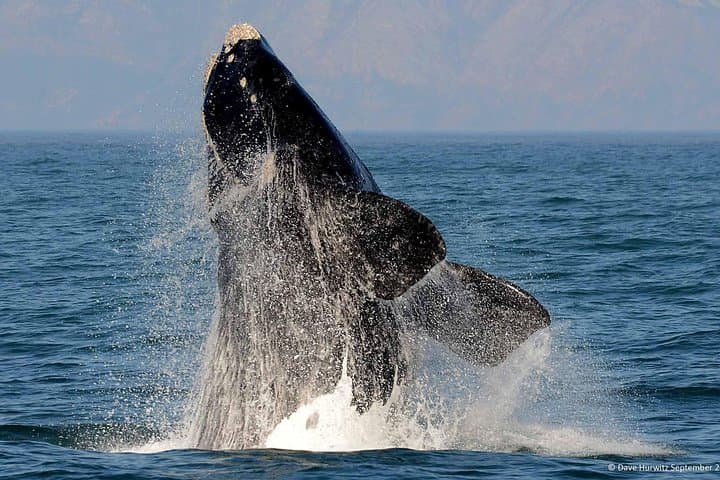
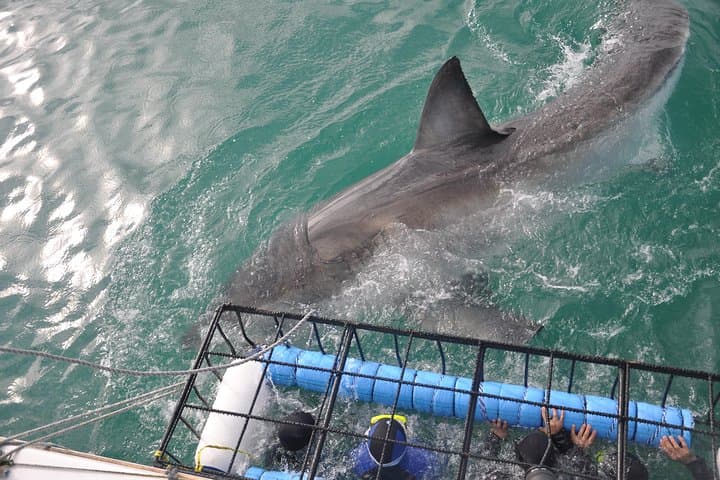
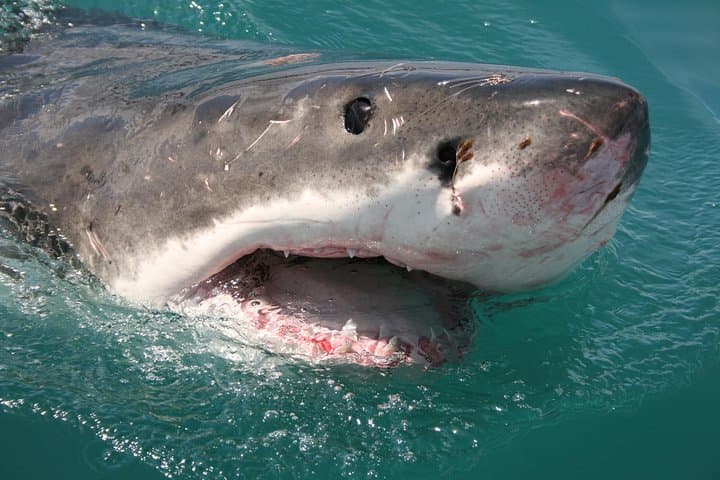
Board a Kleinbaai boat for a full-day marine encounter: cage diving among Great Whites and a whale-watching run to see southern right whales. This combo pairs adrenaline with slow, cinematic whale sightings—best planned around calm seas and the June–November whale season.
Board a Kleinbaai boat for a full-day marine encounter: cage diving among Great Whites and a whale-watching run to see southern right whales. This combo pairs adrenaline with slow, cinematic whale sightings—best planned around calm seas and the June–November whale season.
You step off the salt-stung dock in Kleinbaai and the Atlantic stretches wide and gray, currents whispering along the hull. The boat eases toward an island fringe where the water smells of kelp and seal. Out here, the sea has appetite and memory: Dyer Island’s seal colony draws great whites year-round, while the bay hosts migrating whales that push up against the surf like slow, patient mountains.
Verified experiences and guided adventures in the surrounding area.
Operated by Shark Zone · Gansbaai, Western Cape
You step off the salt-stung dock in Kleinbaai and the Atlantic stretches wide and gray, currents whispering along the hull. The boat eases toward an island fringe where the water smells of kelp and seal. Out here, the sea has appetite and memory: Dyer Island’s seal colony draws great whites year-round, while the bay hosts migrating whales that push up against the surf like slow, patient mountains.
This coastline is shaped by the cold Benguela upwelling and a complex seafloor of rocky reefs and sand channels—perfect hunting ground for apex predators and a magnet for marine life. Gansbaai grew from fishing and guano industries into a modern eco-tourism hub; local operators now balance tourism with growing conservation awareness around seals, sharks and whales.
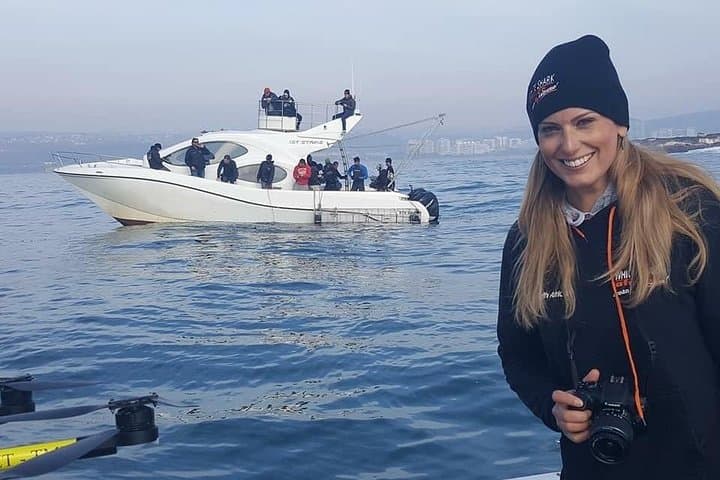
On a combined trip you can expect a morning at sea for cage diving or surface viewing—boats chum to attract sharks, and trained crew manage every entry—followed by a whale-watching leg that lasts roughly two hours when scheduled the same day. Rough seas are part of the narrative; conditions dictate timings. Operators typically provide wetsuits, briefings, snacks and a return lunch.
Practical tips: arrive with motion-sickness medication if you’re sensitive, wear layered, windproof clothing for post-dive chills, and bring a waterproof camera or housing. Respect guides’ safety rules—no solo swims, no touching wildlife. Plan for a 6-hour outing, factor in transit from Cape Town (about 2½ hours) or an overnight in Gansbaai, and book in whale season (June–November) for the best chance of seeing calves.
moderate.
6 hours (approx.).
Suitable for most fitness levels but requires basic mobility for boarding and time standing; comfort in open water helps.
No—this is static cage diving from a boat; operators provide a safety briefing and wetsuits, and trained crew assist entries and exits.
Often yes—operators frequently run shark dives and a shorter 2‑hour whale watch on the same day, but weather or scheduling may separate them over two days.
Policies vary; infants and small children are usually permitted on board but must sit on an adult’s lap—confirm age restrictions with the operator before booking.
Tours are weather‑dependent; cancelled trips are refundable if outside the 24‑hour cancellation window or can be rescheduled when possible.
Gansbaai evolved from a fishing and sealing economy; Dyer Island’s large fur seal colonies and the Benguela upwelling made the area a long-standing marine hotspot.
Responsible operators follow marine mammal viewing guidelines and minimize disturbance; support companies that use best-practice protocols for chum use and whale approach distances.
Shark Zone operates guided outdoor trips and adventures with an emphasis on safety, stewardship, and memorable experiences.
You step off the salt-stung dock in Kleinbaai and the Atlantic stretches wide and gray, currents whispering along the hull. The boat eases toward an island fringe where the water smells of kelp and seal. Out here, the sea has appetite and memory: Dyer Island’s seal colony draws great whites year-round, while the bay hosts migrating whales that push up against the surf like slow, patient mountains.
You step off the salt-stung dock in Kleinbaai and the Atlantic stretches wide and gray, currents whispering along the hull. The boat eases toward an island fringe where the water smells of kelp and seal. Out here, the sea has appetite and memory: Dyer Island’s seal colony draws great whites year-round, while the bay hosts migrating whales that push up against the surf like slow, patient mountains.
This coastline is shaped by the cold Benguela upwelling and a complex seafloor of rocky reefs and sand channels—perfect hunting ground for apex predators and a magnet for marine life. Gansbaai grew from fishing and guano industries into a modern eco-tourism hub; local operators now balance tourism with growing conservation awareness around seals, sharks and whales.
On a combined trip you can expect a morning at sea for cage diving or surface viewing—boats chum to attract sharks, and trained crew manage every entry—followed by a whale-watching leg that lasts roughly two hours when scheduled the same day. Rough seas are part of the narrative; conditions dictate timings. Operators typically provide wetsuits, briefings, snacks and a return lunch.
Practical tips: arrive with motion-sickness medication if you’re sensitive, wear layered, windproof clothing for post-dive chills, and bring a waterproof camera or housing. Respect guides’ safety rules—no solo swims, no touching wildlife. Plan for a 6-hour outing, factor in transit from Cape Town (about 2½ hours) or an overnight in Gansbaai, and book in whale season (June–November) for the best chance of seeing calves.