THE ADVENTURE COLLECTIVE® · Independent discovery and booking for outdoor travel

A full-day private tour across Ganghwa Island that pairs near-border views at the Peace Observatory with cultural stops — an Anglican cathedral, traditional dyeing, and a converted textile factory café. Ideal for travelers who want history, hands-on craft, and coastal scenery in one day.
A full-day private tour across Ganghwa Island that pairs near-border views at the Peace Observatory with cultural stops — an Anglican cathedral, traditional dyeing, and a converted textile factory café. Ideal for travelers who want history, hands-on craft, and coastal scenery in one day.
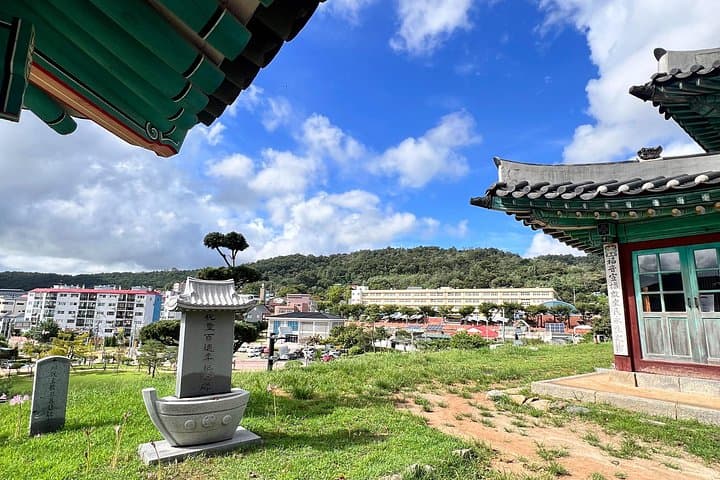
Stand on the concrete balcony of the Ganghwa Peace Observatory and feel how the air carries history — salt and river wind pushing your view across the narrow strait toward the low, fenced hills of North Korea. The island’s fields and mudflats spread outward like pages in a chronicle: ancient burial mounds, colonial-era stonework, and the relics of a 20th-century textile economy.
Verified experiences and guided adventures in the surrounding area.
Operated by TRAVUT · Ganghwa, Incheon
Stand on the concrete balcony of the Ganghwa Peace Observatory and feel how the air carries history — salt and river wind pushing your view across the narrow strait toward the low, fenced hills of North Korea. The island’s fields and mudflats spread outward like pages in a chronicle: ancient burial mounds, colonial-era stonework, and the relics of a 20th-century textile economy.
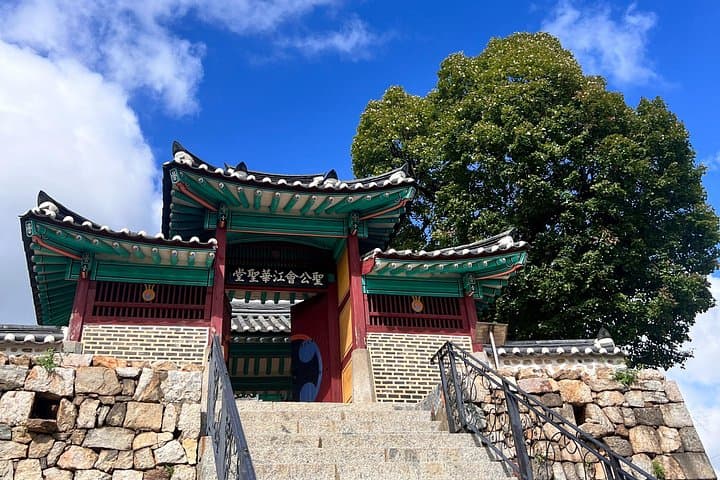
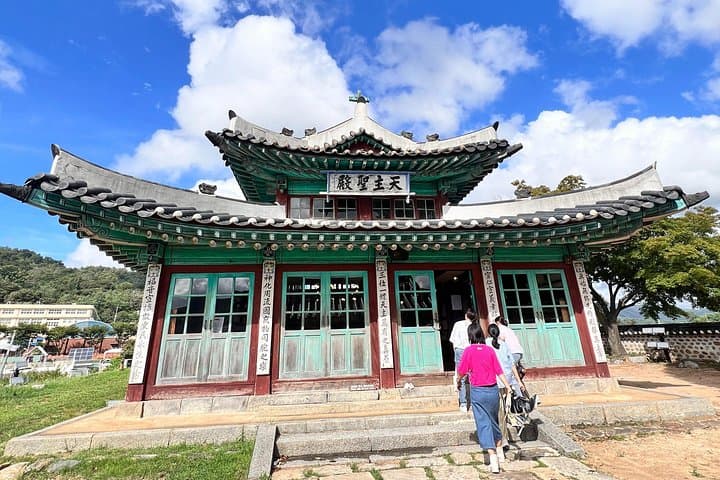
Ganghwa’s landscape is largely alluvial and coastal: tidal flats that feed dense birdlife and outcrops where ancient communities set upright dolmens now recognized alongside Korea’s modern conflicts. The Anglican cathedral on the island tells a different story — of late 19th-century religious and cultural exchange — while former factories and the Joyang Bangjik cafe trace the rhythms of Korea’s industrial leap in the mid-1900s. Fabric-dyeing workshops and small temples add crafts and quiet rituals to the day’s itinerary.
Practically, this private 9–10 hour tour moves at a steady pace: short walks around viewpoints, an easy climb to a temple site, hands-on time at a dyeing center, and relaxed café time in a converted mill. Passports are required at the observatory and the day includes private transport and hotel pickup. Expect uneven surfaces in outdoor spots, strong coastal breezes, and plenty of photo opportunities. Bring layered clothing, solid walking shoes, and a charged camera; seasons change the island’s personality — migratory birds in spring, high sun and mudflat heat in summer, crisp air and clear views in fall, and bare, stark coastal panoramas in winter.
moderate.
9–10 hours.
Moderate fitness: able to walk short uneven trails, climb steps, and stand for guided segments.
Yes — all participants must carry passports for entry and identification at the Ganghwa Peace Observatory.
Expect short, mostly easy walks with occasional stone steps and uneven surfaces; no long hikes are required, but moderate mobility is advised.
The itinerary includes a café stop and opportunities to buy snacks or lunch; clarify dietary needs at booking for local meal arrangements.
The tour typically runs in most weather; however, certain observatory or outdoor stops may be adjusted for safety. Cancellation terms depend on provider policy.
Ganghwa has long been a strategic border island — a site of 19th-century foreign incursions and a 20th-century textile hub that shaped local industry and culture.
The island’s tidal flats are ecologically sensitive and attract migratory birds; visitors should avoid disturbing mudflat habitats and follow leave-no-trace practices.
TRAVUT operates guided outdoor trips and adventures with an emphasis on safety, stewardship, and memorable experiences.
Stand on the concrete balcony of the Ganghwa Peace Observatory and feel how the air carries history — salt and river wind pushing your view across the narrow strait toward the low, fenced hills of North Korea. The island’s fields and mudflats spread outward like pages in a chronicle: ancient burial mounds, colonial-era stonework, and the relics of a 20th-century textile economy.
Stand on the concrete balcony of the Ganghwa Peace Observatory and feel how the air carries history — salt and river wind pushing your view across the narrow strait toward the low, fenced hills of North Korea. The island’s fields and mudflats spread outward like pages in a chronicle: ancient burial mounds, colonial-era stonework, and the relics of a 20th-century textile economy.
Ganghwa’s landscape is largely alluvial and coastal: tidal flats that feed dense birdlife and outcrops where ancient communities set upright dolmens now recognized alongside Korea’s modern conflicts. The Anglican cathedral on the island tells a different story — of late 19th-century religious and cultural exchange — while former factories and the Joyang Bangjik cafe trace the rhythms of Korea’s industrial leap in the mid-1900s. Fabric-dyeing workshops and small temples add crafts and quiet rituals to the day’s itinerary.
Practically, this private 9–10 hour tour moves at a steady pace: short walks around viewpoints, an easy climb to a temple site, hands-on time at a dyeing center, and relaxed café time in a converted mill. Passports are required at the observatory and the day includes private transport and hotel pickup. Expect uneven surfaces in outdoor spots, strong coastal breezes, and plenty of photo opportunities. Bring layered clothing, solid walking shoes, and a charged camera; seasons change the island’s personality — migratory birds in spring, high sun and mudflat heat in summer, crisp air and clear views in fall, and bare, stark coastal panoramas in winter.