THE ADVENTURE COLLECTIVE® · Independent discovery and booking for outdoor travel

A guided 3–4 hour loop through dense Caribbean rainforest and coastal trail in Gandoca-Manzanillo Refuge — expect monkeys, sloths, mangroves and a mix of mountain and shoreline terrain. Practical tips and what to expect on this biodiverse day hike.
A guided 3–4 hour loop through dense Caribbean rainforest and coastal trail in Gandoca-Manzanillo Refuge — expect monkeys, sloths, mangroves and a mix of mountain and shoreline terrain. Practical tips and what to expect on this biodiverse day hike.
You step off the van and the air changes — warm, humid, threaded with salt and leaf mold. A narrow mountain track climbs beneath a canopy of fig and heliconia; the trail returns along a shoreline where surf and mangrove roots argue for space. Guides move with practiced quiet, pointing out a pause of howler monkeys, a sloth tucking itself into a cecropia, and the quick flick of a motmot between branches.
Verified experiences and guided adventures in the surrounding area.
Operated by Braulio Isaac Vanegas Rojas · Manzanillo, Limón
You step off the van and the air changes — warm, humid, threaded with salt and leaf mold. A narrow mountain track climbs beneath a canopy of fig and heliconia; the trail returns along a shoreline where surf and mangrove roots argue for space. Guides move with practiced quiet, pointing out a pause of howler monkeys, a sloth tucking itself into a cecropia, and the quick flick of a motmot between branches.
The Gandoca-Manzanillo Wildlife Refuge occupies the far southern Caribbean coast of Costa Rica, where coastal alluvial flats meet low volcanic hills. The refuge protects beaches, lagoons, mangroves and humid tropical forest that developed on recent marine terraces — geology that produces abrupt transitions from sand to steep root-strewn trail. Culturally, this coast is part of the Bribri and Afro-Caribbean coastal communities; visitors will notice Spanish, Bribri and English reflected in local place names and food.
Practically, expect 3–4 hours on mixed terrain: packed dirt, roots, occasional mud and a rocky coastal return. Guides include a small snack and binoculars; wear grippy shoes, bring water, and plan around afternoon rain during the wet season (May–November). Wildlife encounters are common but never guaranteed; slow, quiet movement increases chances for mammals and birds. The route suits first-time tropical hikers who can sustain several miles at an easy to moderate pace. Respect signage, avoid flashing lights or loud calls near nesting areas, and carry biodegradable sunscreen and repellent to protect both you and fragile habitats.
moderate.
3–4 hours.
Suitable for most people with basic fitness; able to walk uneven paths for several miles and handle short climbs.
Guided walks last about 3–4 hours on a route that typically covers several miles of mixed mountain and coastal trail; exact distance varies by guide and tide conditions.
Yes — the tour is rated accessible for most fitness levels, but participants should be comfortable walking uneven ground and short climbs for a few hours.
Wildlife sightings are common but not guaranteed; guides improve your chances by moving quietly and knowing local hotspots.
Facilities are limited near trailheads; use accommodations in Puerto Viejo or designated refuge areas before starting the hike.
The refuge protects lands long used by Bribri communities and Afro-Caribbean settlers; conservation efforts in the 1980s expanded protections for nesting beaches and forest corridors.
Stick to marked trails and avoid touching wildlife—fragile coastal and mangrove systems recover slowly. Local guides work with community groups to minimize visitor impacts and support habitat protection.
Braulio Isaac Vanegas Rojas operates guided outdoor trips and adventures with an emphasis on safety, stewardship, and memorable experiences.
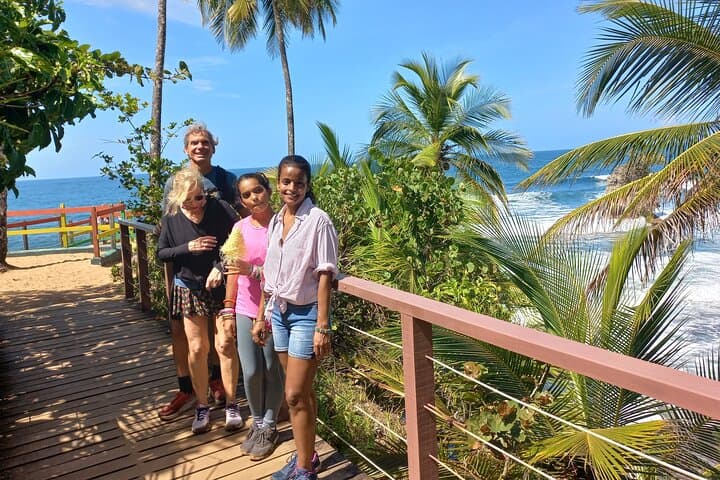
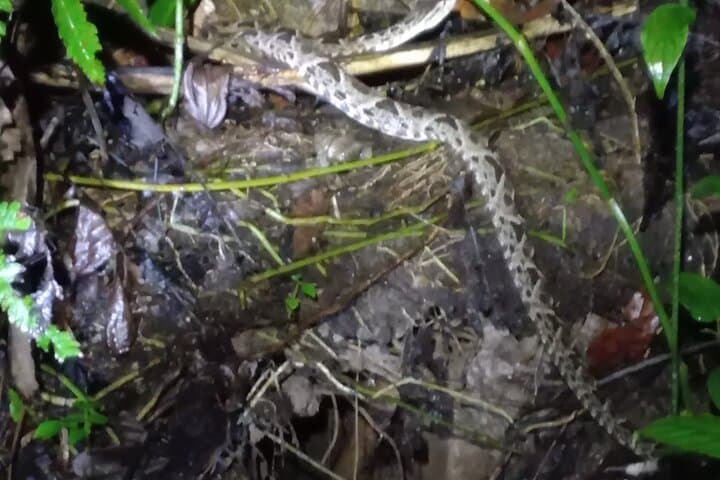
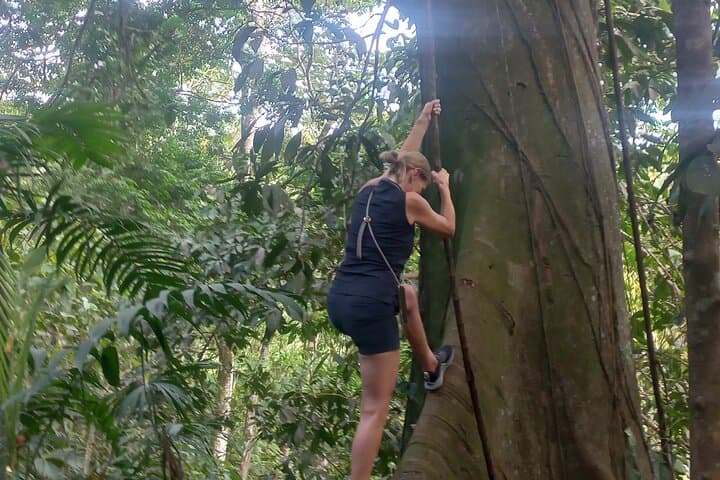
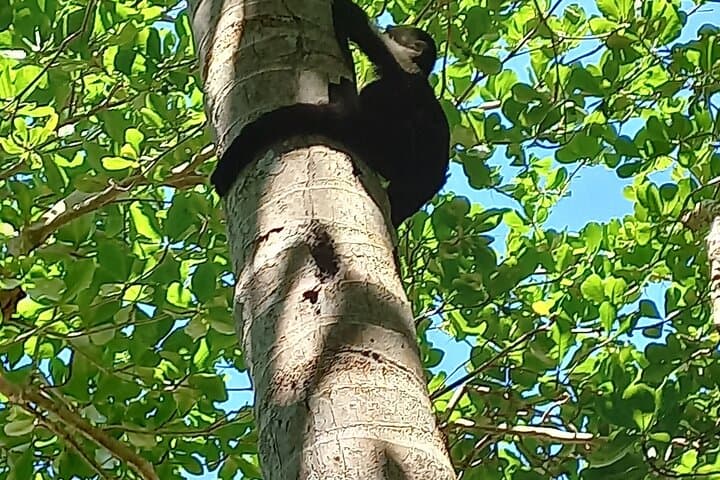
You step off the van and the air changes — warm, humid, threaded with salt and leaf mold. A narrow mountain track climbs beneath a canopy of fig and heliconia; the trail returns along a shoreline where surf and mangrove roots argue for space. Guides move with practiced quiet, pointing out a pause of howler monkeys, a sloth tucking itself into a cecropia, and the quick flick of a motmot between branches.
You step off the van and the air changes — warm, humid, threaded with salt and leaf mold. A narrow mountain track climbs beneath a canopy of fig and heliconia; the trail returns along a shoreline where surf and mangrove roots argue for space. Guides move with practiced quiet, pointing out a pause of howler monkeys, a sloth tucking itself into a cecropia, and the quick flick of a motmot between branches.
The Gandoca-Manzanillo Wildlife Refuge occupies the far southern Caribbean coast of Costa Rica, where coastal alluvial flats meet low volcanic hills. The refuge protects beaches, lagoons, mangroves and humid tropical forest that developed on recent marine terraces — geology that produces abrupt transitions from sand to steep root-strewn trail. Culturally, this coast is part of the Bribri and Afro-Caribbean coastal communities; visitors will notice Spanish, Bribri and English reflected in local place names and food.
Practically, expect 3–4 hours on mixed terrain: packed dirt, roots, occasional mud and a rocky coastal return. Guides include a small snack and binoculars; wear grippy shoes, bring water, and plan around afternoon rain during the wet season (May–November). Wildlife encounters are common but never guaranteed; slow, quiet movement increases chances for mammals and birds. The route suits first-time tropical hikers who can sustain several miles at an easy to moderate pace. Respect signage, avoid flashing lights or loud calls near nesting areas, and carry biodegradable sunscreen and repellent to protect both you and fragile habitats.