THE ADVENTURE COLLECTIVE® · Independent discovery and booking for outdoor travel

Short, scenic drives through Mosi-oa-Tunya National Park deliver dependable sightings of elephants, giraffe, zebra and hippo near the Zambezi. This compact park next to Livingstone and Victoria Falls is ideal for a quick wildlife introduction with minimal walking required.
Short, scenic drives through Mosi-oa-Tunya National Park deliver dependable sightings of elephants, giraffe, zebra and hippo near the Zambezi. This compact park next to Livingstone and Victoria Falls is ideal for a quick wildlife introduction with minimal walking required.
The Land Rover hums past thorn scrub and a patchwork of acacia, the Zambezi’s breath audible beyond the ridge. Early light sinks gold into the grass and a lone herd of elephant becomes a moving wall, trunks swinging as if testing the air. On a short game drive through Mosi-oa-Tunya National Park, wildlife presents itself with directness — buffalo grazing at the water’s edge, giraffe picking leaves from high branches, and hippos slipping like dark stones into the river.
Verified experiences and guided adventures in the surrounding area.
Operated by Owen's Taxi and Tours · Livingstone, Southern Province
The Land Rover hums past thorn scrub and a patchwork of acacia, the Zambezi’s breath audible beyond the ridge. Early light sinks gold into the grass and a lone herd of elephant becomes a moving wall, trunks swinging as if testing the air. On a short game drive through Mosi-oa-Tunya National Park, wildlife presents itself with directness — buffalo grazing at the water’s edge, giraffe picking leaves from high branches, and hippos slipping like dark stones into the river.
Mosi-oa-Tunya — "the smoke that thunders" in the Lozi language — sits on the Zambezi’s edge next to Livingstone and the Victoria Falls gorge. The park is compact: basalt bedrock carved by the river forms cliffs and islands that focus animal activity, especially during the dry months. Predators are less common here than in Zambia’s larger reserves, but the park offers reliable sightings of plains species and the occasional shy bushbuck near waterfall spray.
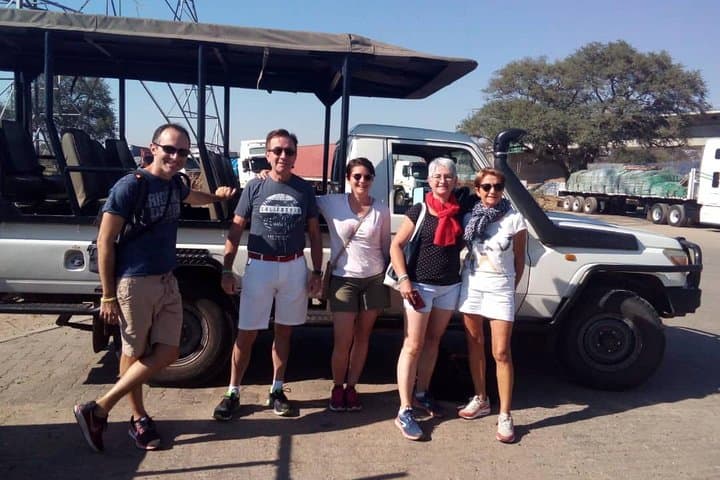
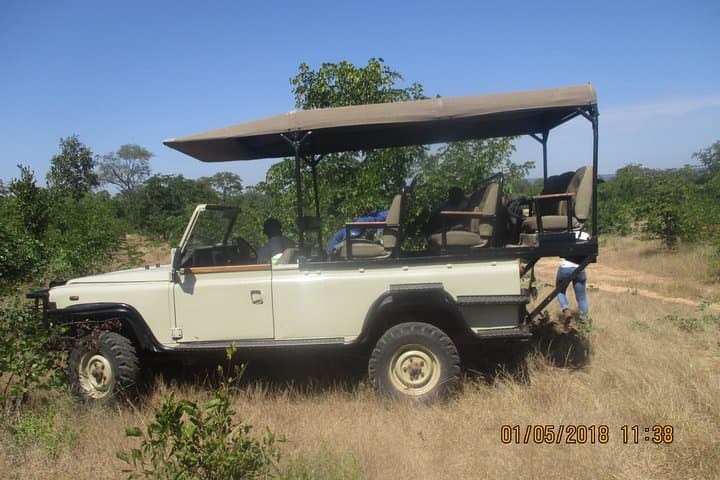
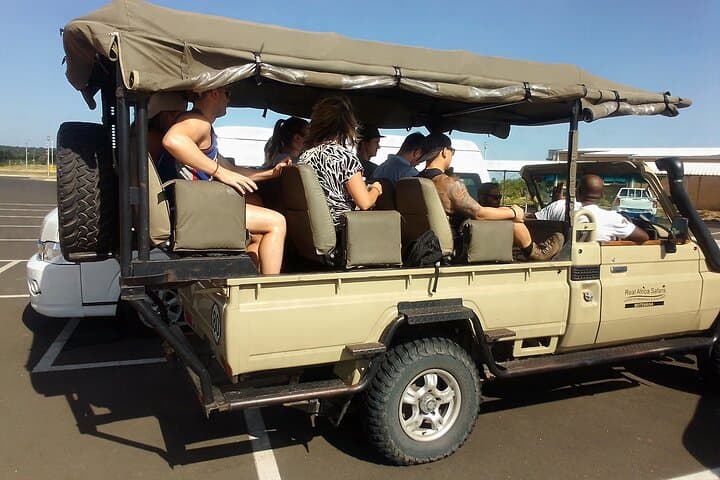
Practically, the drive is short and accessible: vehicles, often open-sided, follow defined tracks with minimal walking required. Morning and late-afternoon runs give the best light and cooler temperatures; mid-day can be hot and quiet. Bring binoculars, sun protection, plenty of water, and neutral clothing — the animals notice motion more than color. Photographers should use a telephoto 200–400mm range; keep voices low and windows partly shaded to avoid startling wildlife.
This is an efficient, scenic introduction to Zambian wildlife for travelers staying in Livingstone or visiting Victoria Falls. The park’s scale makes sightings easy year-round, while seasonal water levels change where animals concentrate, so timing your visit affects both the view and the crowding of wildlife.
easy.
2–3 hours.
Suitable for travelers of most fitness levels; minimal walking required and transfers are vehicle-based.
Typical drives run about 2–3 hours; many operators offer morning or afternoon departures to maximize sightings and comfort.
Predators are uncommon in Mosi-oa-Tunya; expect elephants, buffalo, giraffe, zebra, hippo and various antelope more reliably than lions or leopards.
Yes—game drives are vehicle-based with wheelchair-accessible options and short transfers; infants may be required to sit on laps depending on operator policy.
Absolutely—Mosi-oa-Tunya is adjacent to Livingstone and Victoria Falls, making it easy to pair a game drive with a waterfall tour or river activities.
The park was established to protect the immediate ecosystem around Victoria Falls and maintain a wildlife corridor adjacent to Livingstone.
Visitor numbers are managed to limit disturbance in this compact park; staying on tracks and minimizing noise helps protect sensitive habitats.
Owen's Taxi and Tours operates guided outdoor trips and adventures with an emphasis on safety, stewardship, and memorable experiences.
The Land Rover hums past thorn scrub and a patchwork of acacia, the Zambezi’s breath audible beyond the ridge. Early light sinks gold into the grass and a lone herd of elephant becomes a moving wall, trunks swinging as if testing the air. On a short game drive through Mosi-oa-Tunya National Park, wildlife presents itself with directness — buffalo grazing at the water’s edge, giraffe picking leaves from high branches, and hippos slipping like dark stones into the river.
The Land Rover hums past thorn scrub and a patchwork of acacia, the Zambezi’s breath audible beyond the ridge. Early light sinks gold into the grass and a lone herd of elephant becomes a moving wall, trunks swinging as if testing the air. On a short game drive through Mosi-oa-Tunya National Park, wildlife presents itself with directness — buffalo grazing at the water’s edge, giraffe picking leaves from high branches, and hippos slipping like dark stones into the river.
Mosi-oa-Tunya — "the smoke that thunders" in the Lozi language — sits on the Zambezi’s edge next to Livingstone and the Victoria Falls gorge. The park is compact: basalt bedrock carved by the river forms cliffs and islands that focus animal activity, especially during the dry months. Predators are less common here than in Zambia’s larger reserves, but the park offers reliable sightings of plains species and the occasional shy bushbuck near waterfall spray.
Practically, the drive is short and accessible: vehicles, often open-sided, follow defined tracks with minimal walking required. Morning and late-afternoon runs give the best light and cooler temperatures; mid-day can be hot and quiet. Bring binoculars, sun protection, plenty of water, and neutral clothing — the animals notice motion more than color. Photographers should use a telephoto 200–400mm range; keep voices low and windows partly shaded to avoid startling wildlife.
This is an efficient, scenic introduction to Zambian wildlife for travelers staying in Livingstone or visiting Victoria Falls. The park’s scale makes sightings easy year-round, while seasonal water levels change where animals concentrate, so timing your visit affects both the view and the crowding of wildlife.