THE ADVENTURE COLLECTIVE® · Independent discovery and booking for outdoor travel

Follow trackers into a Zambian national park for a guided game drive and a controlled rhino walk. Expect close but safe encounters, practical conservation context, and a 3–4 hour outing from Livingstone.
Follow trackers into a Zambian national park for a guided game drive and a controlled rhino walk. Expect close but safe encounters, practical conservation context, and a 3–4 hour outing from Livingstone.
Dust lifts in a low cloud behind the safari vehicle as the guide eases off the road and into a pocket of thorn scrub. The engines quiet; the landscape—dry grass, ragged acacia, the low pulse of distant river water—takes over. Trackers who went out before sunrise read spoor and droppings like a living map, and you follow curated signs that lead to the rhino’s domain.
Verified experiences and guided adventures in the surrounding area.
Operated by Cherish Travel and Tours · Livingstone, Southern Province
Dust lifts in a low cloud behind the safari vehicle as the guide eases off the road and into a pocket of thorn scrub. The engines quiet; the landscape—dry grass, ragged acacia, the low pulse of distant river water—takes over. Trackers who went out before sunrise read spoor and droppings like a living map, and you follow curated signs that lead to the rhino’s domain.
This experience threads natural history and modern conservation. The park sits on the southern Zambian floodplain shaped by the Zambezi and older basalt flows; soils vary from compacted sandy patches to rocky outcrops that give way to riverine woodlands. Local communities—the Tonga and Lozi among them—have long lived with the river’s rhythms and today partner in anti-poaching and rhino-monitoring efforts.
On the game drive you’ll scan open savanna and gallery forest; on the walk you move slower, senses forward, listening for breaks in the brush and the tactile rumble of large hooves. Expect close-up views at a safe distance under guide direction—rhinos will assert themselves, the scrub will test your footing, and the trackers’ dogs or calls (if used) will nudge movement.
Practical guidance: schedule morning or late-afternoon departures to avoid heat; bring sturdy closed-toe shoes, sun protection, and at least 1–1.5 liters of water. Keep voices low, follow guide instructions precisely, and keep cameras ready but zoomed to maintain distance. The trip lasts about 3–4 hours and combines gentle vehicle time with a guided, low-impact walk—ideal for those who want wildlife encounters that privilege safety and conservation over spectacle.
easy.
3–4 hours.
Light fitness; participants should be able to walk 1–3 km on uneven ground and sit in a vehicle for stretches.
Guides and trackers manage proximity for safety; you can expect relatively close but controlled viewing—usually several meters—never direct contact.
The outing is listed as suitable for varied fitness levels, but guests should be able to step into vehicles and walk short uneven sections; infants may need to sit on laps.
Round-trip transfers are typically included—confirm pickup details when booking and expect shared vehicle transfers to the park entrance.
Alongside rhinos, game drives commonly encounter antelope species, warthogs, and a variety of birdlife; large predators are less frequently encountered in this sanctuary-focused setting.
The park sits on land shaped by the Zambezi’s course; local Tonga and Lozi communities have long histories tied to seasonal flooding and riverbank agriculture.
Rhino tracking here is tied to anti-poaching and monitoring programs; visits support ranger teams and promote low-impact viewing that prioritizes animal welfare.
Cherish Travel and Tours operates guided outdoor trips and adventures with an emphasis on safety, stewardship, and memorable experiences.
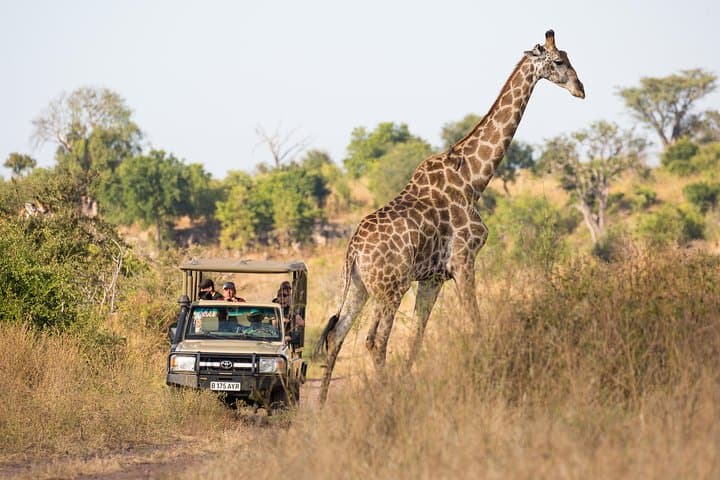
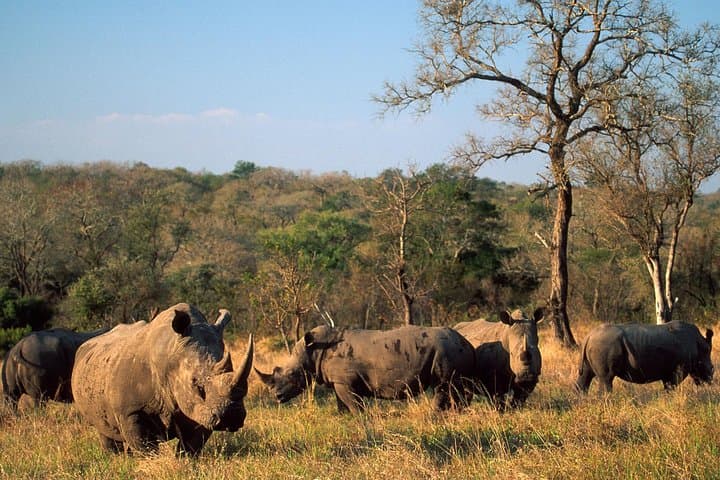
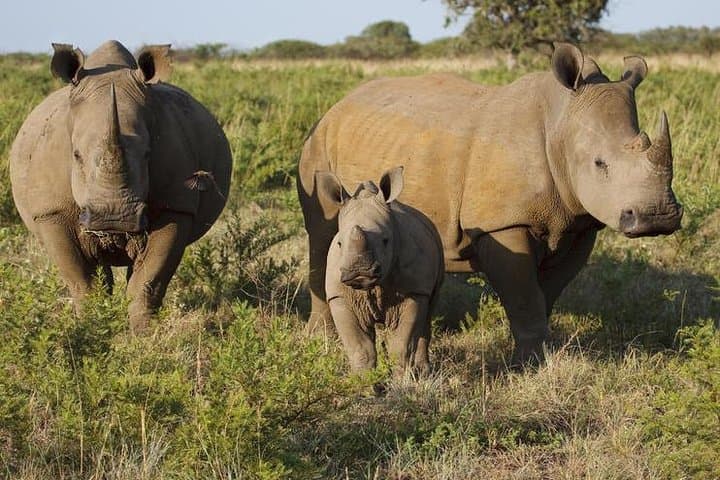
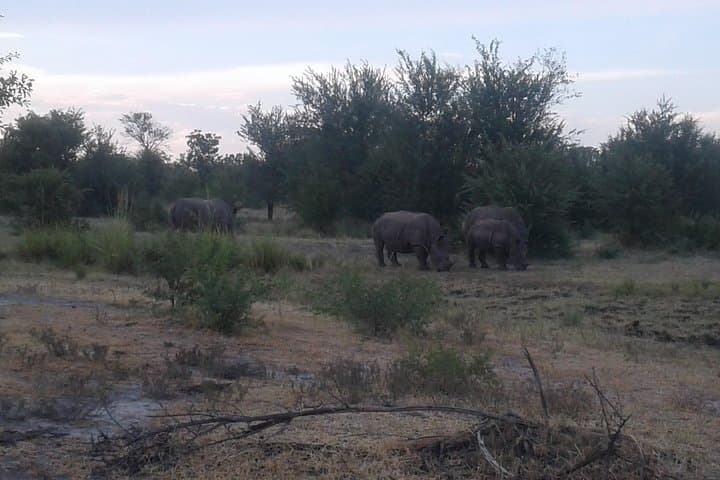
Dust lifts in a low cloud behind the safari vehicle as the guide eases off the road and into a pocket of thorn scrub. The engines quiet; the landscape—dry grass, ragged acacia, the low pulse of distant river water—takes over. Trackers who went out before sunrise read spoor and droppings like a living map, and you follow curated signs that lead to the rhino’s domain.
Dust lifts in a low cloud behind the safari vehicle as the guide eases off the road and into a pocket of thorn scrub. The engines quiet; the landscape—dry grass, ragged acacia, the low pulse of distant river water—takes over. Trackers who went out before sunrise read spoor and droppings like a living map, and you follow curated signs that lead to the rhino’s domain.
This experience threads natural history and modern conservation. The park sits on the southern Zambian floodplain shaped by the Zambezi and older basalt flows; soils vary from compacted sandy patches to rocky outcrops that give way to riverine woodlands. Local communities—the Tonga and Lozi among them—have long lived with the river’s rhythms and today partner in anti-poaching and rhino-monitoring efforts.
On the game drive you’ll scan open savanna and gallery forest; on the walk you move slower, senses forward, listening for breaks in the brush and the tactile rumble of large hooves. Expect close-up views at a safe distance under guide direction—rhinos will assert themselves, the scrub will test your footing, and the trackers’ dogs or calls (if used) will nudge movement.
Practical guidance: schedule morning or late-afternoon departures to avoid heat; bring sturdy closed-toe shoes, sun protection, and at least 1–1.5 liters of water. Keep voices low, follow guide instructions precisely, and keep cameras ready but zoomed to maintain distance. The trip lasts about 3–4 hours and combines gentle vehicle time with a guided, low-impact walk—ideal for those who want wildlife encounters that privilege safety and conservation over spectacle.