THE ADVENTURE COLLECTIVE® · Independent discovery and booking for outdoor travel

Short, guided game drives and a conservation-focused rhino walk in Mosi-oa-Tunya National Park offer close wildlife viewing and local context just outside Livingstone. Ideal for travelers seeking an intimate, low-impact encounter with rhinos and savanna species.
Short, guided game drives and a conservation-focused rhino walk in Mosi-oa-Tunya National Park offer close wildlife viewing and local context just outside Livingstone. Ideal for travelers seeking an intimate, low-impact encounter with rhinos and savanna species.
You step from the vehicle into dry, sun-warmed grass and the park exhales around you—birds calling from fever trees, the Zambezi river teasing the horizon. The rhinos move slowly, deliberate like old kings, while kudu and impala scatter through dappled shade. This is Mosi-oa-Tunya National Park on the Zambian edge of Victoria Falls: compact, intimate, and focused on close, low-impact wildlife viewing.
Verified experiences and guided adventures in the surrounding area.
Operated by Tour All Africa · Livingstone, Southern Province
You step from the vehicle into dry, sun-warmed grass and the park exhales around you—birds calling from fever trees, the Zambezi river teasing the horizon. The rhinos move slowly, deliberate like old kings, while kudu and impala scatter through dappled shade. This is Mosi-oa-Tunya National Park on the Zambian edge of Victoria Falls: compact, intimate, and focused on close, low-impact wildlife viewing.
Mosi-oa-Tunya is part of the UNESCO World Heritage area surrounding Victoria Falls. Geologically, the park sits on basalt and sandstone layers carved by the Zambezi; the falls themselves formed where harder basalt resists erosion and the river collapses into gorges. The nearby town of Livingstone carries colonial-era history—Visible at the Livingstone Museum—and local Tonga communities preserve riverine fishing and craft traditions you’ll glimpse at markets outside the park.
On a typical 2–3 hour combo, a short game drive covers open savanna and mopane woodland before a guided rhino walk brings you to fenced conservation areas and viewing hides. Expect easy terrain with short, firm trails and standing room in hides rather than long hikes.
Practical notes: morning or late-afternoon departures are best for light and animal activity; carry water, sun protection, and wear closed-toe shoes. Respect guides’ distances and keep noise low—rhinos are easily disturbed. Photography with a mid-range zoom (200–300mm) captures behavior without crowding.
This experience balances wildlife viewing with hands-on conservation context—ideal for travelers who want close, responsible encounters in a compact national park a short drive from Livingstone.
easy.
2–3 hours.
Suitable for all fitness levels; involves short walks and standing in hides rather than strenuous hiking.
The activity takes about 2–3 hours (approximately 150 minutes), combining a short vehicle game drive with a guided rhino-walk section and viewing hides.
Yes—this is rated easy and suitable for all fitness levels; however, small children should be supervised and guests with limited mobility should advise the operator at booking for appropriate arrangements.
Expect species common to the park such as African bush elephant, impala, kudu, warthog, and a variety of birds along the Zambezi; sightings vary by season and time of day.
Snacks are typically included; transport and pickup options vary—confirm pickup point and any transfers when booking and provide flight/arrival details if requesting transfers.
Mosi-oa-Tunya National Park protects part of the Victoria Falls area; the falls have been central to Tonga communities and later colonial history, documented at the Livingstone Museum nearby.
The park runs rhino conservation and anti-poaching measures; visitors support these efforts by following distance rules, using guided walks, and avoiding single-use plastics in the park.
Tour All Africa operates guided outdoor trips and adventures with an emphasis on safety, stewardship, and memorable experiences.
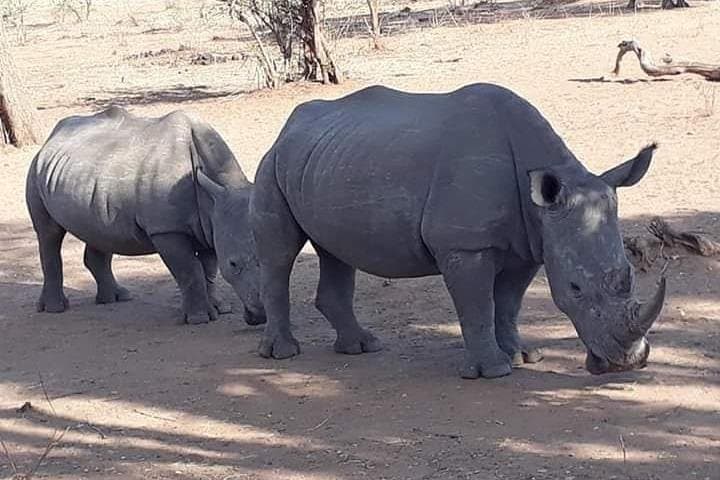
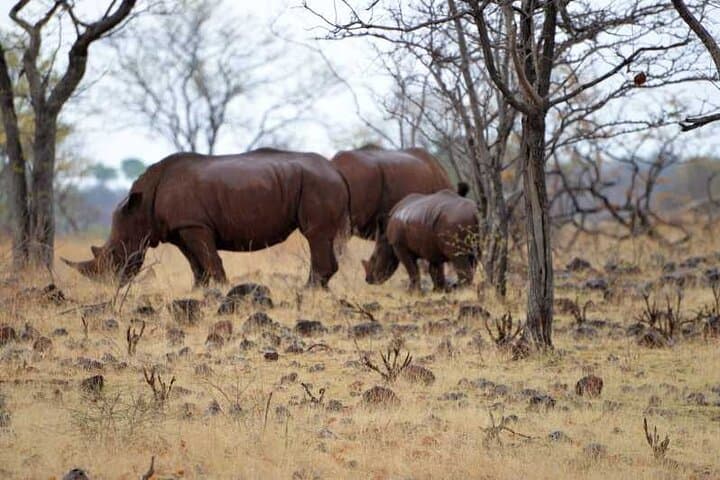
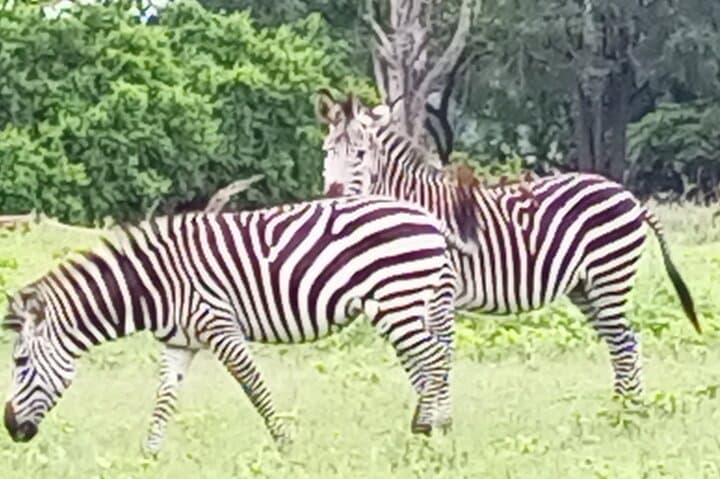
You step from the vehicle into dry, sun-warmed grass and the park exhales around you—birds calling from fever trees, the Zambezi river teasing the horizon. The rhinos move slowly, deliberate like old kings, while kudu and impala scatter through dappled shade. This is Mosi-oa-Tunya National Park on the Zambian edge of Victoria Falls: compact, intimate, and focused on close, low-impact wildlife viewing.
You step from the vehicle into dry, sun-warmed grass and the park exhales around you—birds calling from fever trees, the Zambezi river teasing the horizon. The rhinos move slowly, deliberate like old kings, while kudu and impala scatter through dappled shade. This is Mosi-oa-Tunya National Park on the Zambian edge of Victoria Falls: compact, intimate, and focused on close, low-impact wildlife viewing.
Mosi-oa-Tunya is part of the UNESCO World Heritage area surrounding Victoria Falls. Geologically, the park sits on basalt and sandstone layers carved by the Zambezi; the falls themselves formed where harder basalt resists erosion and the river collapses into gorges. The nearby town of Livingstone carries colonial-era history—Visible at the Livingstone Museum—and local Tonga communities preserve riverine fishing and craft traditions you’ll glimpse at markets outside the park.
On a typical 2–3 hour combo, a short game drive covers open savanna and mopane woodland before a guided rhino walk brings you to fenced conservation areas and viewing hides. Expect easy terrain with short, firm trails and standing room in hides rather than long hikes.
Practical notes: morning or late-afternoon departures are best for light and animal activity; carry water, sun protection, and wear closed-toe shoes. Respect guides’ distances and keep noise low—rhinos are easily disturbed. Photography with a mid-range zoom (200–300mm) captures behavior without crowding.
This experience balances wildlife viewing with hands-on conservation context—ideal for travelers who want close, responsible encounters in a compact national park a short drive from Livingstone.