THE ADVENTURE COLLECTIVE® · Independent discovery and booking for outdoor travel

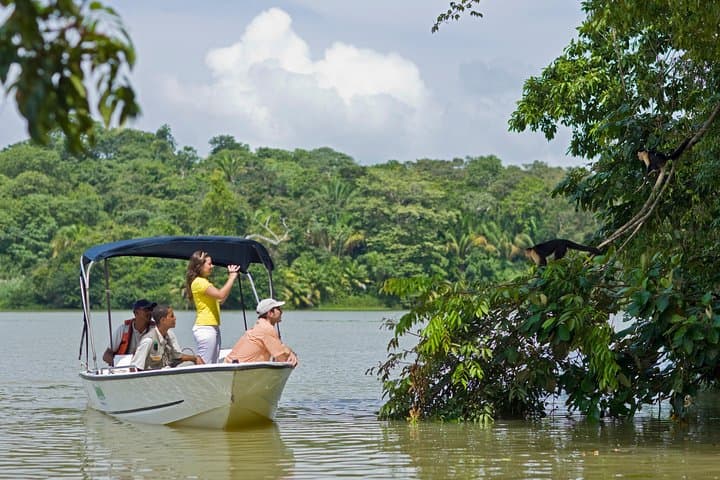
Ascend an aerial tram into the green heart of Gamboa, then walk forest trails and scan the Chagres River for monkeys and birds. This half-day rainforest experience combines canopy views, guided nature walks, and a riverside lunch—ideal for travelers based in Panama City.
Ascend an aerial tram into the green heart of Gamboa, then walk forest trails and scan the Chagres River for monkeys and birds. This half-day rainforest experience combines canopy views, guided nature walks, and a riverside lunch—ideal for travelers based in Panama City.
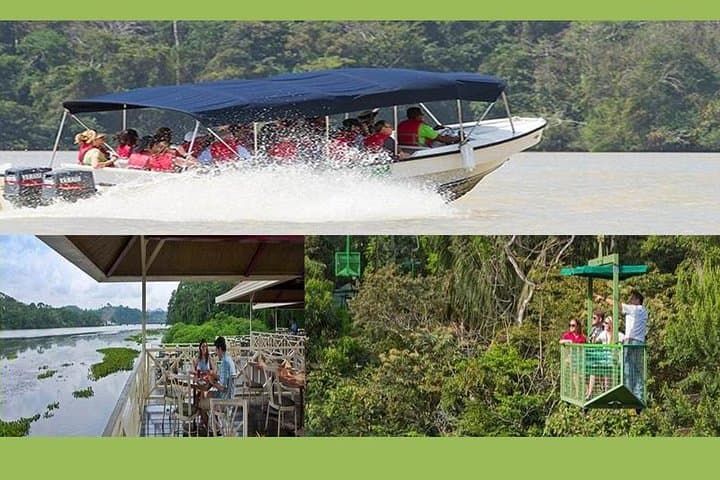
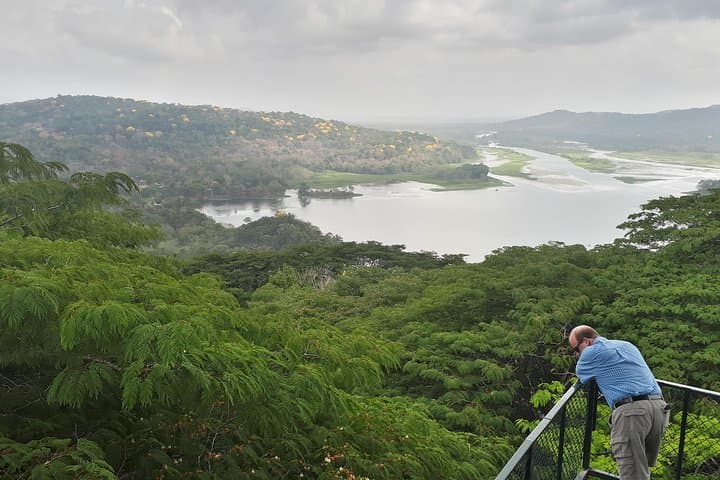
A low roar of insects and the metallic click of the aerial tram set the tone as the carriage lifts from the Gamboa station, rising 280 feet above the canopy. From this vantage the forest breathes—mossed branches unfurling, the Chagres River cutting a slow silver line that dares you to follow. The tram ride is an immediate entry; later, trails thread through old-growth patches where orchids tuck into trunks and howler monkeys announce the midday.
Verified experiences and guided adventures in the surrounding area.
Operated by Gamboa Tours · Gamboa, Panamá Province
A low roar of insects and the metallic click of the aerial tram set the tone as the carriage lifts from the Gamboa station, rising 280 feet above the canopy. From this vantage the forest breathes—mossed branches unfurling, the Chagres River cutting a slow silver line that dares you to follow. The tram ride is an immediate entry; later, trails thread through old-growth patches where orchids tuck into trunks and howler monkeys announce the midday.
Gamboa sits on the edge of the Panama Canal watershed, an area shaped by tectonic uplift and the carving of waterways that became global infrastructure in the early 20th century. The transcontinental connection made this stretch of rainforest both strategic and studied: scientists established research stations here during canal construction, and the mixture of tropical lowland geology and canal-created edges creates high biodiversity. Local culture reflects the canal — villages, lodges, and boat crews with generations tied to the waterway.
On a half-day excursion (about 6 hours total) expect an interpretive tram ascent, guided walks, and a riverside lunch. Practicalities: bring insect repellent and waterproof layers for sudden showers, wear sturdy closed-toe shoes for muddy trails, and carry a small daypack with water and camera. The route is suitable for travelers with moderate fitness; trails are uneven and include steps.
Timing matters—early light heightens bird activity, while late afternoon brings mammals closer to the river. Respect marked paths to protect fragile understory plants and follow guide instructions to minimize impact and maximize sightings.
moderate.
6 hours.
Moderate fitness: able to walk uneven trails, climb short steps, and tolerate heat and humidity for several hours.
The tour runs about 6 hours total, typically including tram time, guided trails, and a riverside lunch.
The tram rises to roughly 280 feet; it’s enclosed and operated by trained staff, but those uncomfortable with heights may find it challenging.
Children can join but infants must sit on an adult’s lap; ask about age-specific restrictions when booking and ensure child-friendly footwear and insect protection.
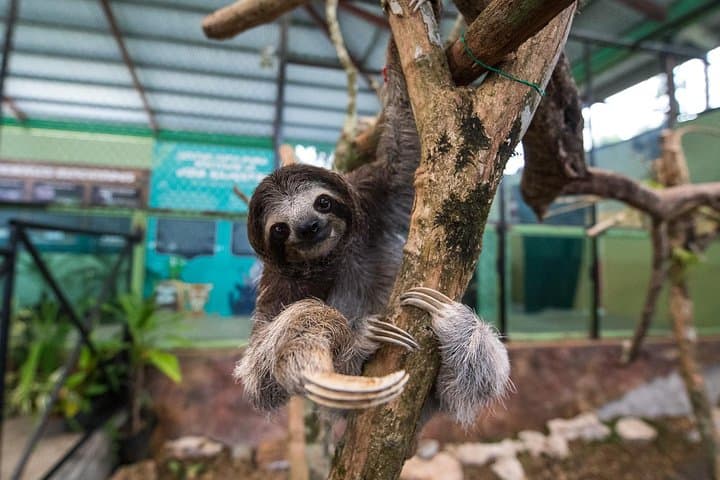
Common sightings include howler and capuchin monkeys, a wide variety of tropical birds, and occasionally iguanas and river otters along the Chagres.
Gamboa developed alongside the Panama Canal; early 20th-century construction and subsequent scientific stations turned it into a hub for tropical research and canal logistics.
The area is managed with attention to research and ecotourism—stay on trails and follow guide instructions to reduce disturbance to sensitive species.
Gamboa Tours operates guided outdoor trips and adventures with an emphasis on safety, stewardship, and memorable experiences.
A low roar of insects and the metallic click of the aerial tram set the tone as the carriage lifts from the Gamboa station, rising 280 feet above the canopy. From this vantage the forest breathes—mossed branches unfurling, the Chagres River cutting a slow silver line that dares you to follow. The tram ride is an immediate entry; later, trails thread through old-growth patches where orchids tuck into trunks and howler monkeys announce the midday.
A low roar of insects and the metallic click of the aerial tram set the tone as the carriage lifts from the Gamboa station, rising 280 feet above the canopy. From this vantage the forest breathes—mossed branches unfurling, the Chagres River cutting a slow silver line that dares you to follow. The tram ride is an immediate entry; later, trails thread through old-growth patches where orchids tuck into trunks and howler monkeys announce the midday.
Gamboa sits on the edge of the Panama Canal watershed, an area shaped by tectonic uplift and the carving of waterways that became global infrastructure in the early 20th century. The transcontinental connection made this stretch of rainforest both strategic and studied: scientists established research stations here during canal construction, and the mixture of tropical lowland geology and canal-created edges creates high biodiversity. Local culture reflects the canal — villages, lodges, and boat crews with generations tied to the waterway.
On a half-day excursion (about 6 hours total) expect an interpretive tram ascent, guided walks, and a riverside lunch. Practicalities: bring insect repellent and waterproof layers for sudden showers, wear sturdy closed-toe shoes for muddy trails, and carry a small daypack with water and camera. The route is suitable for travelers with moderate fitness; trails are uneven and include steps.
Timing matters—early light heightens bird activity, while late afternoon brings mammals closer to the river. Respect marked paths to protect fragile understory plants and follow guide instructions to minimize impact and maximize sightings.