THE ADVENTURE COLLECTIVE® · Independent discovery and booking for outdoor travel

Explore Gamarra’s vast textile maze and chaman markets on a 4-hour, hotel‑pickup tour through La Victoria. Experience hands-on commerce, meet textile entrepreneurs, and taste street food while learning the neighborhood’s history and urban rhythms.
Explore Gamarra’s vast textile maze and chaman markets on a 4-hour, hotel‑pickup tour through La Victoria. Experience hands-on commerce, meet textile entrepreneurs, and taste street food while learning the neighborhood’s history and urban rhythms.
Morning in La Victoria arrives with the rumble of delivery vans and a tide of merchants threading alleys of fabric and zip fasteners. The air smells of frying anticuchos and fresh-cut cloth; local vendors call out patterns while an occasional coastal breeze from the Pacific sneaks dust and salt through the stalls.
Verified experiences and guided adventures in the surrounding area.
Operated by Kultour Perú · Lima, Lima
Morning in La Victoria arrives with the rumble of delivery vans and a tide of merchants threading alleys of fabric and zip fasteners. The air smells of frying anticuchos and fresh-cut cloth; local vendors call out patterns while an occasional coastal breeze from the Pacific sneaks dust and salt through the stalls.
Gamarra grew from 19th–20th century textile workshops into Lima’s largest commercial textile district, shaped by immigrant entrepreneurs and small-scale factories. Geologically the neighborhood sits on Lima’s flat coastal plain, carved by the Rimac river deposits and often coated in the city’s signature garúa (sea mist) in cooler months — conditions that favor dense urban trade rather than scenic vistas.
Culturally this is raw, everyday Peru: informal supply chains, family-run ateliers, and a patchwork of folkloric and chaman (shaman) stalls where traditional remedies and ritual items are sold. Visitors can climb a modest tower to see the urban sprawl and hear first-hand stories of entrepreneurs who turned portable looms into export networks.
Practical guidance: this is a walking, urban, immersive tour — expect crowded lanes, narrow passageways, and constant bargaining. Carry small bills, keep valuables secured, and wear comfortable, closed-toe shoes. Bring a light jacket for garúa months (June–September) and plan your visit in the morning to avoid the hottest, busiest hours. Respect vendors when photographing and consider sampling street snacks from busy stalls to judge freshness. Note: a portion of tour proceeds supports local communities in Huaycán, so your visit also contributes directly to neighborhood projects.
easy.
4 hours.
Light urban walking for several hours; suitable for most fitness levels
Gamarra is a working commercial district — generally safe in daytime with common-sense precautions: travel with a guide, secure valuables, and avoid showing large amounts of cash.
Ask permission before photographing artisans or vendors; some may request payment or decline for cultural or commercial reasons.
Yes — expect street snacks and fruit kiosks; the tour often includes tasting local street food, but bring water and check ingredients if you have dietary restrictions.
Yes — the tour is low-impact walking, but crowded lanes may be challenging for very young children or those with limited mobility; notify the operator of special needs for pickup and pacing.
Gamarra evolved from small textile workshops into Lima’s primary garment wholesale district during the 20th century, driven by immigrant entrepreneurs and informal manufacturing networks.
The market generates significant waste and congestion; support sustainability by minimizing single-use plastics, buying directly from small producers, and respecting vendor spaces.
Kultour Perú operates guided outdoor trips and adventures with an emphasis on safety, stewardship, and memorable experiences.


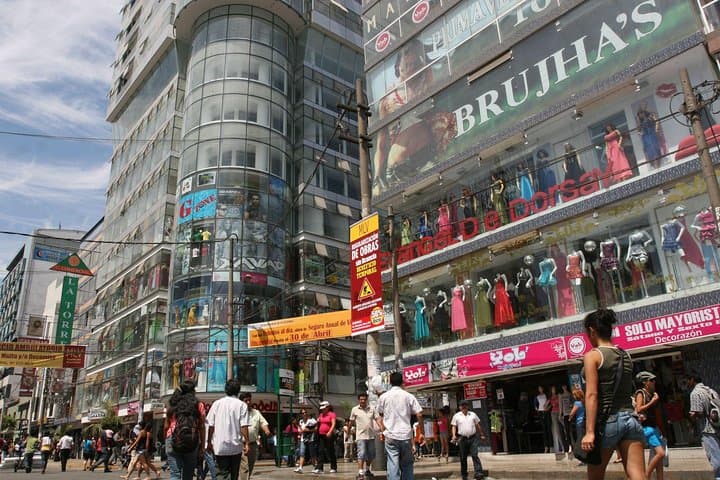

Morning in La Victoria arrives with the rumble of delivery vans and a tide of merchants threading alleys of fabric and zip fasteners. The air smells of frying anticuchos and fresh-cut cloth; local vendors call out patterns while an occasional coastal breeze from the Pacific sneaks dust and salt through the stalls.
Morning in La Victoria arrives with the rumble of delivery vans and a tide of merchants threading alleys of fabric and zip fasteners. The air smells of frying anticuchos and fresh-cut cloth; local vendors call out patterns while an occasional coastal breeze from the Pacific sneaks dust and salt through the stalls.
Gamarra grew from 19th–20th century textile workshops into Lima’s largest commercial textile district, shaped by immigrant entrepreneurs and small-scale factories. Geologically the neighborhood sits on Lima’s flat coastal plain, carved by the Rimac river deposits and often coated in the city’s signature garúa (sea mist) in cooler months — conditions that favor dense urban trade rather than scenic vistas.
Culturally this is raw, everyday Peru: informal supply chains, family-run ateliers, and a patchwork of folkloric and chaman (shaman) stalls where traditional remedies and ritual items are sold. Visitors can climb a modest tower to see the urban sprawl and hear first-hand stories of entrepreneurs who turned portable looms into export networks.
Practical guidance: this is a walking, urban, immersive tour — expect crowded lanes, narrow passageways, and constant bargaining. Carry small bills, keep valuables secured, and wear comfortable, closed-toe shoes. Bring a light jacket for garúa months (June–September) and plan your visit in the morning to avoid the hottest, busiest hours. Respect vendors when photographing and consider sampling street snacks from busy stalls to judge freshness. Note: a portion of tour proceeds supports local communities in Huaycán, so your visit also contributes directly to neighborhood projects.