THE ADVENTURE COLLECTIVE® · Independent discovery and booking for outdoor travel

Explore Gamarra’s textile alleys, rooftop city views and the evocative witch market with a local guide and shaman. This 3–4 hour urban tour pairs cultural context with hands-on local flavor.
Explore Gamarra’s textile alleys, rooftop city views and the evocative witch market with a local guide and shaman. This 3–4 hour urban tour pairs cultural context with hands-on local flavor.
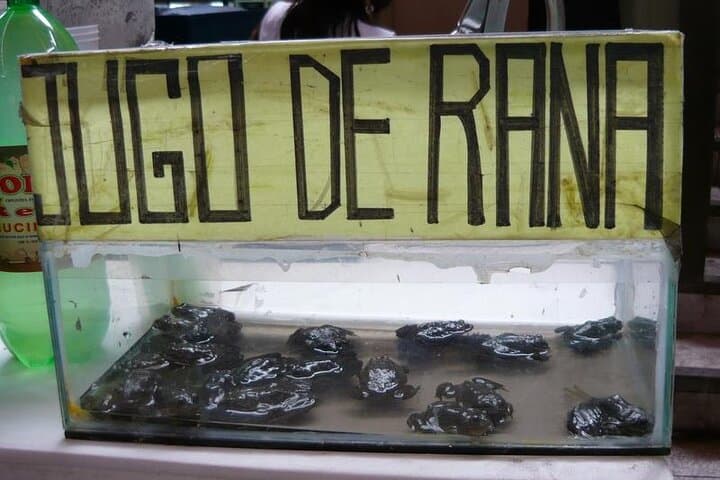
You step out onto a raw, humming block of La Victoria where textile stalls and delivery vans crowd the curb; the air tastes of frying oil and citrus, and a vendor calls the names of fabrics like a conductor. The tour threads through Gamarra’s labyrinthine garment district, climbs a utilitarian rooftop for a sweeping, working-class view of Lima, then drops into the witch market where herbs, dried reptiles and braided coca leaves sit by the pound—an abrasive, living classroom of Peruvian popular culture.
Verified experiences and guided adventures in the surrounding area.
Operated by Peru Best Price travel agency & Tour Operator · Lima, Lima
You step out onto a raw, humming block of La Victoria where textile stalls and delivery vans crowd the curb; the air tastes of frying oil and citrus, and a vendor calls the names of fabrics like a conductor. The tour threads through Gamarra’s labyrinthine garment district, climbs a utilitarian rooftop for a sweeping, working-class view of Lima, then drops into the witch market where herbs, dried reptiles and braided coca leaves sit by the pound—an abrasive, living classroom of Peruvian popular culture.
Gamarra grew into prominence in the 20th century as migrants from the Andes and Amazon converged here, turning informal commerce into one of Lima’s largest textile hubs. Geologically, the city perches on a coastal plain with the foothills of the western Andes visible to the east—those slopes are where many “pueblos jóvenes” took root in the 1970s and 80s. The witch market itself blends Andean herbalism and Amazonian materia medica, and individual shamans continue ritual practices using coca, aromatic plants and animal offerings.
Practical guidance: wear close-toed shoes for uneven sidewalks, bring small bills for snacks and purchases, and carry a photocopy of your passport for pickup. The tour runs about 3–4 hours, is mostly flat with short walks, and includes a public train ride back—expect noise and dense crowds. Respect photo rules in the market and ask before photographing people or ritual items. Hydrate in Lima’s dry coastal air and plan this for morning or late afternoon when streets are active but not peak chaotic.
easy.
3–4 hours.
Suitable for most fitness levels; involves several hours of standing and short urban walks.
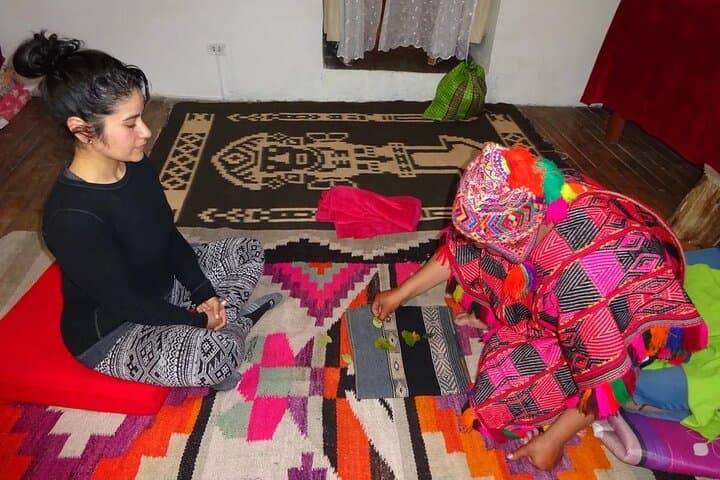
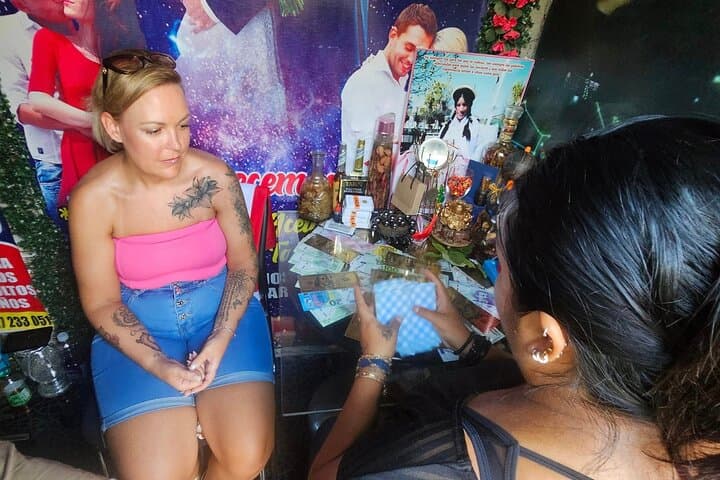
Readings are part of local shamanic traditions; experiences vary—some are brief, symbolic consultations rather than long ceremonies.
The tour sticks to busy commercial streets with a guide and private transport for pickups; standard urban precautions—watch belongings and follow the guide—are advised.
Local snacks and street food tastings are included during market stops, but full meals are not; inform guides of dietary restrictions in advance.
Yes—this itinerary includes a public train segment back, giving an authentic local transit experience; bring a small fare and be prepared for crowded cars.
Gamarra developed into Lima’s textile powerhouse through waves of internal migration in the mid-20th century, evolving from informal workshops to dense garment commerce.
Tourists should avoid buying items made from protected species and support vendors who use sustainable materials; minimize single-use plastics and respect market waste practices.
Peru Best Price travel agency & Tour Operator operates guided outdoor trips and adventures with an emphasis on safety, stewardship, and memorable experiences.

You step out onto a raw, humming block of La Victoria where textile stalls and delivery vans crowd the curb; the air tastes of frying oil and citrus, and a vendor calls the names of fabrics like a conductor. The tour threads through Gamarra’s labyrinthine garment district, climbs a utilitarian rooftop for a sweeping, working-class view of Lima, then drops into the witch market where herbs, dried reptiles and braided coca leaves sit by the pound—an abrasive, living classroom of Peruvian popular culture.
You step out onto a raw, humming block of La Victoria where textile stalls and delivery vans crowd the curb; the air tastes of frying oil and citrus, and a vendor calls the names of fabrics like a conductor. The tour threads through Gamarra’s labyrinthine garment district, climbs a utilitarian rooftop for a sweeping, working-class view of Lima, then drops into the witch market where herbs, dried reptiles and braided coca leaves sit by the pound—an abrasive, living classroom of Peruvian popular culture.
Gamarra grew into prominence in the 20th century as migrants from the Andes and Amazon converged here, turning informal commerce into one of Lima’s largest textile hubs. Geologically, the city perches on a coastal plain with the foothills of the western Andes visible to the east—those slopes are where many “pueblos jóvenes” took root in the 1970s and 80s. The witch market itself blends Andean herbalism and Amazonian materia medica, and individual shamans continue ritual practices using coca, aromatic plants and animal offerings.
Practical guidance: wear close-toed shoes for uneven sidewalks, bring small bills for snacks and purchases, and carry a photocopy of your passport for pickup. The tour runs about 3–4 hours, is mostly flat with short walks, and includes a public train ride back—expect noise and dense crowds. Respect photo rules in the market and ask before photographing people or ritual items. Hydrate in Lima’s dry coastal air and plan this for morning or late afternoon when streets are active but not peak chaotic.