THE ADVENTURE COLLECTIVE® · Independent discovery and booking for outdoor travel

A concise, 90‑minute guided walk through Galveston’s Strand district that traces the city’s rise, the 1900 hurricane, and the decades of vice that shaped its identity. Expect flat, stroller‑friendly streets, vivid local stories, and stops at the Grand Opera House, Rosenberg fountains, and a Juneteenth mural.
A concise, 90‑minute guided walk through Galveston’s Strand district that traces the city’s rise, the 1900 hurricane, and the decades of vice that shaped its identity. Expect flat, stroller‑friendly streets, vivid local stories, and stops at the Grand Opera House, Rosenberg fountains, and a Juneteenth mural.
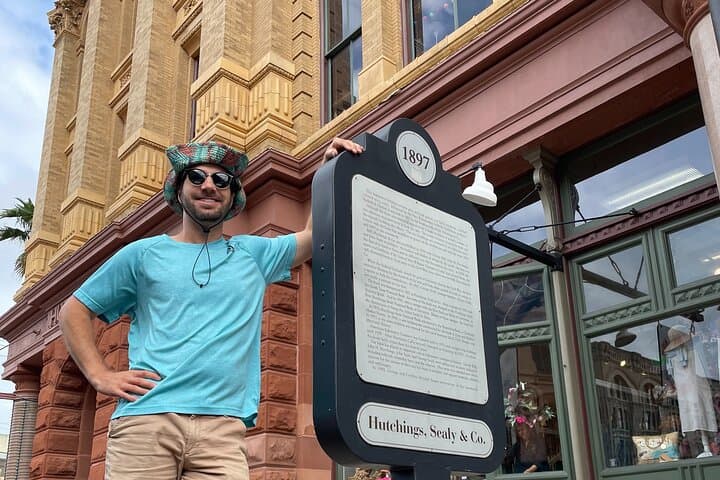
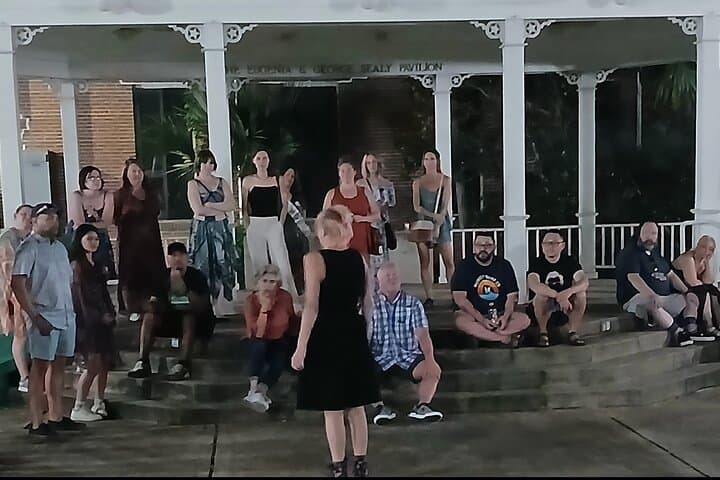
You step off the sidewalk under the Railroad Museum sign and the Gulf breeze tugs at your hat, carrying a scent of salt and old timber. The city moves around you—brick facades, cast‑iron balconies, and the occasional gull claiming rooftop territory—while a local guide begins a tight, factual narrative that stitches the Strand to the sea.
Verified experiences and guided adventures in the surrounding area.
Operated by Historic Galveston Ghost Tours · Galveston, Texas
You step off the sidewalk under the Railroad Museum sign and the Gulf breeze tugs at your hat, carrying a scent of salt and old timber. The city moves around you—brick facades, cast‑iron balconies, and the occasional gull claiming rooftop territory—while a local guide begins a tight, factual narrative that stitches the Strand to the sea.
In 90 minutes you’ll move through the city’s economic highs and violent resets: the era when Galveston was Texas’s richest port, the catastrophic 1900 hurricane that regraded streets and shifted power, and the decades when vice and entertainment rewrote the island’s rules. Geology and infrastructure surface in the story—barrier island dynamics, the seawall’s origins, and the elevation project that reshaped neighborhoods.
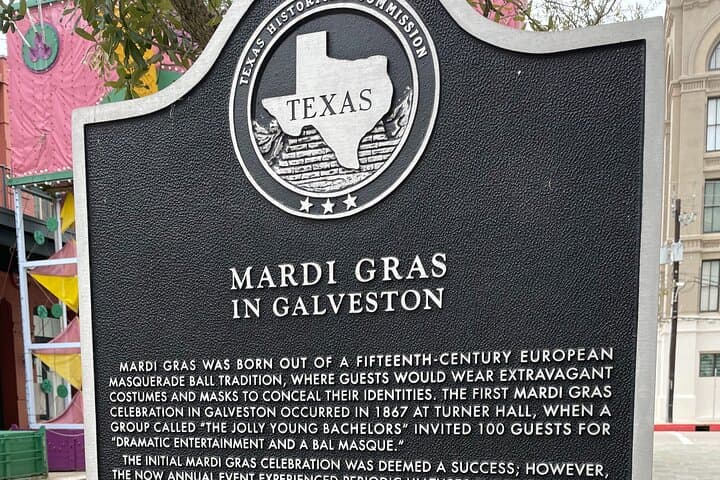
Culturally the tour ties opera houses, Mardi Gras traditions, and the Juneteenth mural to local communities; you’ll hear how immigrant labor and shipping wealth built both grand homes and back‑alley economies. Local insights point out surviving Rosenberg fountains, Saengerfest Park, and the Grand Opera House as touchstones of resilience.
Practical guidance: expect flat, paved walking of roughly 1–1.5 miles over city blocks; the pace is conversational with multiple short stops. The meeting point is Shearn Moody Plaza (123 Rosenberg St) in front of the Galveston Railroad Museum—arrive 15 minutes early. Wheelchair and stroller access are noted; bring sun protection and a refillable bottle in summer, and a light rain layer in spring or fall. This tour suits families and history buffs who want a compact, fact‑forward primer on Galveston’s complex past.
easy.
1.5 hours (90 minutes).
Minimal fitness required; mostly flat walking over 1–1.5 miles suitable for all ages.
The tour lasts 90 minutes and covers about 1–1.5 miles of mostly flat, paved streets with several short stops.
Yes—this itinerary is listed as wheelchair and stroller accessible, but contact the operator ahead if you need specific assistance.
Meet in front of the Galveston Railroad Museum at Shearn Moody Plaza, 123 Rosenberg St; arrive at least 15 minutes early.
Children are welcome; participants under 12 must be accompanied by an adult.
Galveston rose as a major Gulf port and entertainment center in the 19th century, then was reshaped socially and physically by the 1900 hurricane and decades of regulated vice known locally as the ‘Free State’ era.
Coastal resilience projects—seawall maintenance, dune restoration, and elevation initiatives—shape Galveston’s future; visitors are asked to respect public works and minimize trampling of sensitive beachfront habitats.
Historic Galveston Ghost Tours operates guided outdoor trips and adventures with an emphasis on safety, stewardship, and memorable experiences.
You step off the sidewalk under the Railroad Museum sign and the Gulf breeze tugs at your hat, carrying a scent of salt and old timber. The city moves around you—brick facades, cast‑iron balconies, and the occasional gull claiming rooftop territory—while a local guide begins a tight, factual narrative that stitches the Strand to the sea.
You step off the sidewalk under the Railroad Museum sign and the Gulf breeze tugs at your hat, carrying a scent of salt and old timber. The city moves around you—brick facades, cast‑iron balconies, and the occasional gull claiming rooftop territory—while a local guide begins a tight, factual narrative that stitches the Strand to the sea.
In 90 minutes you’ll move through the city’s economic highs and violent resets: the era when Galveston was Texas’s richest port, the catastrophic 1900 hurricane that regraded streets and shifted power, and the decades when vice and entertainment rewrote the island’s rules. Geology and infrastructure surface in the story—barrier island dynamics, the seawall’s origins, and the elevation project that reshaped neighborhoods.
Culturally the tour ties opera houses, Mardi Gras traditions, and the Juneteenth mural to local communities; you’ll hear how immigrant labor and shipping wealth built both grand homes and back‑alley economies. Local insights point out surviving Rosenberg fountains, Saengerfest Park, and the Grand Opera House as touchstones of resilience.
Practical guidance: expect flat, paved walking of roughly 1–1.5 miles over city blocks; the pace is conversational with multiple short stops. The meeting point is Shearn Moody Plaza (123 Rosenberg St) in front of the Galveston Railroad Museum—arrive 15 minutes early. Wheelchair and stroller access are noted; bring sun protection and a refillable bottle in summer, and a light rain layer in spring or fall. This tour suits families and history buffs who want a compact, fact‑forward primer on Galveston’s complex past.