THE ADVENTURE COLLECTIVE® · Independent discovery and booking for outdoor travel

Step inside the Galveston County Museum then walk the Strand as guides stitch artifacts and eyewitness accounts into a vivid account of the 1900 hurricane. This 2.5‑hour talk-and-tour combines museum exhibits with on-street storytelling to illuminate the storm’s lasting impact.
Step inside the Galveston County Museum then walk the Strand as guides stitch artifacts and eyewitness accounts into a vivid account of the 1900 hurricane. This 2.5‑hour talk-and-tour combines museum exhibits with on-street storytelling to illuminate the storm’s lasting impact.
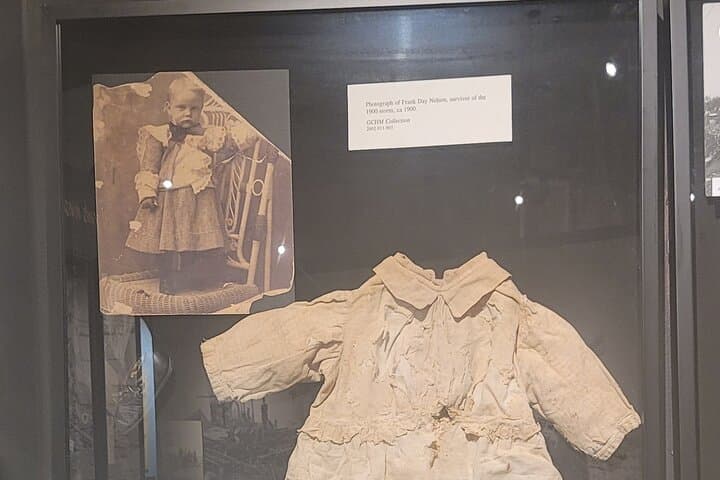
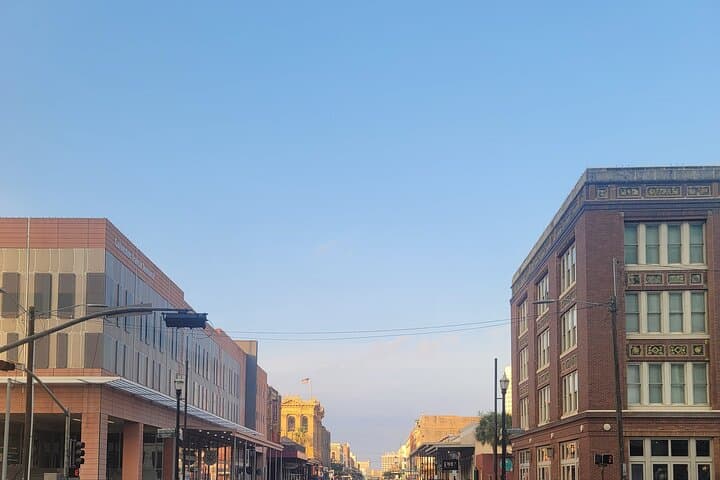
The tour begins inside the Galveston County Museum, sunlight filtering across courthouse steps as the city’s salty air reminds you that this is shoreline ground. Guides set the scene with first-hand accounts, ledger notes and artifacts, then lead groups out onto the Strand where brick sidewalks, iron storefronts and gulf breezes meet stories of survival.
Verified experiences and guided adventures in the surrounding area.
Operated by Spooky Galveston · Galveston, Texas
The tour begins inside the Galveston County Museum, sunlight filtering across courthouse steps as the city’s salty air reminds you that this is shoreline ground. Guides set the scene with first-hand accounts, ledger notes and artifacts, then lead groups out onto the Strand where brick sidewalks, iron storefronts and gulf breezes meet stories of survival.
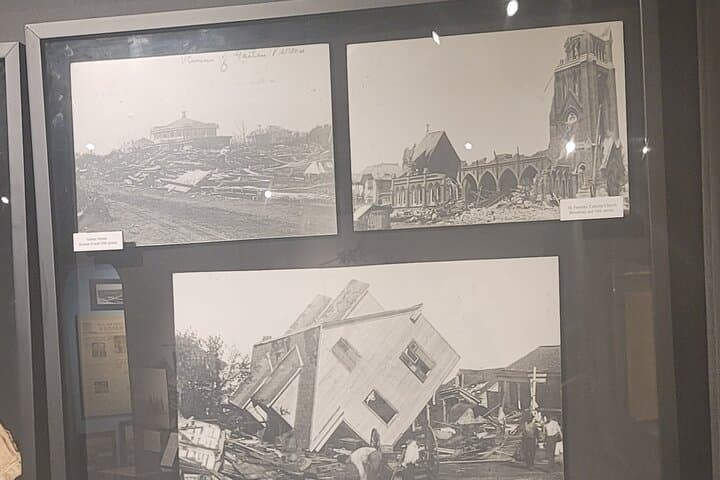
The 1900 Hurricane remains the deadliest natural disaster in U.S. history; the talk combines primary-source exhibits with on-street storytelling to trace damage patterns, the rise of the seawall, and how a port city rebuilt. Geologically, Galveston sits on a low sandy barrier island whose elevation made it extremely vulnerable — a fact that shaped the city’s architecture and civic responses for decades. Culturally, the storm altered industry, housing and the arts; the tour points out the Weather Bureau building, Opera House façades and other structures that carry those scars.
Expect a mix of indoor exhibit time and guided walking stops along the Strand, with a midpoint break at the historic Weather Bureau building. The pace is conversational and accessible; the route is largely flat and wheelchair-friendly, but bring sun protection and comfortable shoes — exposed sidewalks and Gulf sun can make two-and-a-half hours feel longer.
Practical takeaways: the tour lasts about 150 minutes, meets inside the courthouse museum, and is suitable for most fitness levels. It’s an efficient way to connect archival artifacts with the city’s streets, giving context to the ruins and resilience you’ll see along the water.
easy.
2–3 hours.
Light walking ability; suitable for most adults, families, and those who use wheelchairs
The tour starts and ends inside the Galveston County Museum, located in the Galveston County Courthouse on the Strand; show your ticket to the guide when you arrive.
Yes — the itinerary notes wheelchair and stroller accessibility with mostly flat routes and accessible museum spaces.
The total duration is about 150 minutes, combining indoor exhibit time with several short walking stops along the Strand; expect light walking and standing.
For a full refund, cancel at least 24 hours before the scheduled departure; cancellations within 24 hours are not refundable.
The 1900 Galveston Hurricane claimed an estimated 6,000–12,000 lives and prompted the construction of the seawall and a city-wide elevation project that reshaped Galveston’s urban fabric.
Galveston’s barrier-island setting faces ongoing erosion and sea-level concerns; preservation efforts balance historic-building care with coastal resilience planning.
Spooky Galveston operates guided outdoor trips and adventures with an emphasis on safety, stewardship, and memorable experiences.

The tour begins inside the Galveston County Museum, sunlight filtering across courthouse steps as the city’s salty air reminds you that this is shoreline ground. Guides set the scene with first-hand accounts, ledger notes and artifacts, then lead groups out onto the Strand where brick sidewalks, iron storefronts and gulf breezes meet stories of survival.
The tour begins inside the Galveston County Museum, sunlight filtering across courthouse steps as the city’s salty air reminds you that this is shoreline ground. Guides set the scene with first-hand accounts, ledger notes and artifacts, then lead groups out onto the Strand where brick sidewalks, iron storefronts and gulf breezes meet stories of survival.
The 1900 Hurricane remains the deadliest natural disaster in U.S. history; the talk combines primary-source exhibits with on-street storytelling to trace damage patterns, the rise of the seawall, and how a port city rebuilt. Geologically, Galveston sits on a low sandy barrier island whose elevation made it extremely vulnerable — a fact that shaped the city’s architecture and civic responses for decades. Culturally, the storm altered industry, housing and the arts; the tour points out the Weather Bureau building, Opera House façades and other structures that carry those scars.
Expect a mix of indoor exhibit time and guided walking stops along the Strand, with a midpoint break at the historic Weather Bureau building. The pace is conversational and accessible; the route is largely flat and wheelchair-friendly, but bring sun protection and comfortable shoes — exposed sidewalks and Gulf sun can make two-and-a-half hours feel longer.
Practical takeaways: the tour lasts about 150 minutes, meets inside the courthouse museum, and is suitable for most fitness levels. It’s an efficient way to connect archival artifacts with the city’s streets, giving context to the ruins and resilience you’ll see along the water.