THE ADVENTURE COLLECTIVE® · Independent discovery and booking for outdoor travel

This compact four‑day journey links Gallipoli’s WWI battlefields with the mythic ruins of Troy, the acropolis of Pergamon and the marble avenues of Ephesus—designed for travelers who want history in motion and efficient logistics between sites.
This compact four‑day journey links Gallipoli’s WWI battlefields with the mythic ruins of Troy, the acropolis of Pergamon and the marble avenues of Ephesus—designed for travelers who want history in motion and efficient logistics between sites.
Dawn on the Dardanelles feels like a turning page: a low sun splits the sea, gulls quarrel above the ferry, and a wind pushes the shoreline scrub as if urging you forward. On this four‑day route you move from the raw, wind‑blown ridges of Gallipoli to the layered ruins of Troy, the stepped terraces of Pergamon’s acropolis and the marble avenues of Ephesus—each place holding a different chapter of Anatolia’s past.
Verified experiences and guided adventures in the surrounding area.
Operated by Hassle Free Travel · Canakkale, Çanakkale Province
Dawn on the Dardanelles feels like a turning page: a low sun splits the sea, gulls quarrel above the ferry, and a wind pushes the shoreline scrub as if urging you forward. On this four‑day route you move from the raw, wind‑blown ridges of Gallipoli to the layered ruins of Troy, the stepped terraces of Pergamon’s acropolis and the marble avenues of Ephesus—each place holding a different chapter of Anatolia’s past.
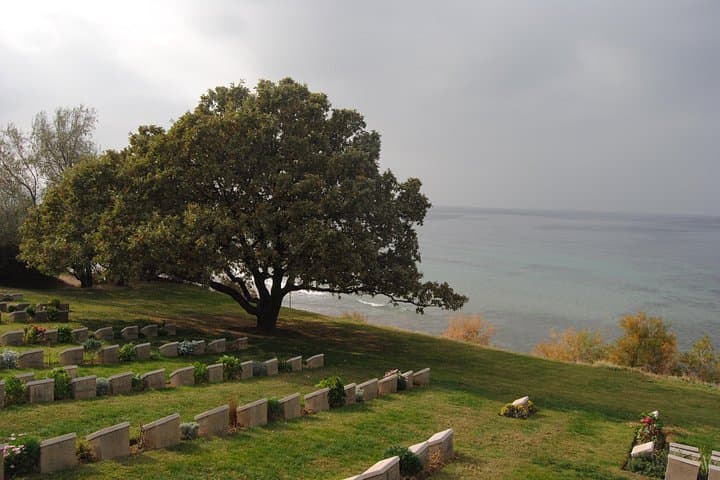
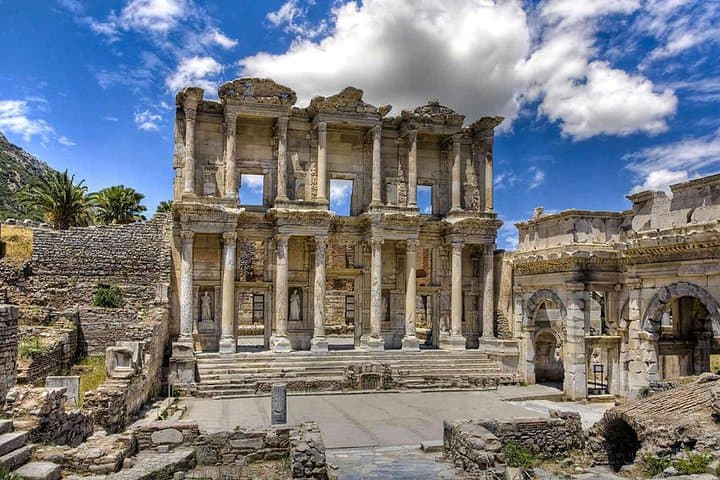
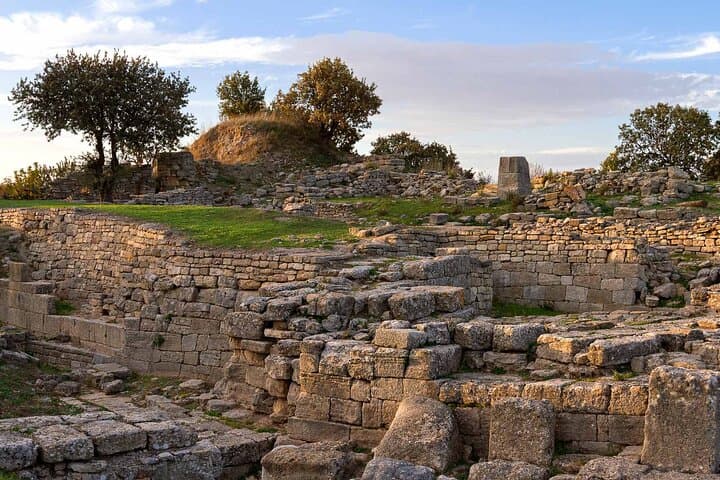
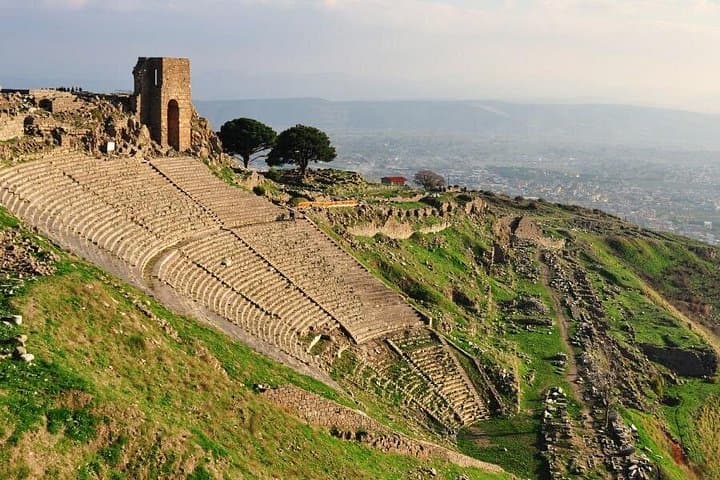
Gallipoli’s fields are austere and precise; memorials and trenches map the human scale of World War I. Troy sits on a tell of successive cities, its mudbrick and stone strata revealing Bronze Age trade and Homeric myth. Pergamon perches on a limestone spur whose Hellenistic theater still commands the valley, while Ephesus exposes Roman urbanism—library façades, marble streets and the theater where the city planned civic life. Geology and geography explain why these sites mattered: the Dardanelles controls passage between Aegean and Marmara, and the fertile Aegean coast drew empires for millennia.
Practically, expect early departures and long drives; tour logistics pack many sites into four days, with one internal flight from Izmir to Istanbul to save time. Wear broken‑in walking shoes for uneven ruins, bring a sun hat and refillable water bottle, and carry passport details for the included flight. Respect memorial etiquette at Gallipoli—quiet tones and no climbing on monuments—and budget pockets of time for local meals in Çanakkale and Selçuk. This itinerary is historically dense but physically gentle: it rewards curiosity, steady pacing and a readiness to listen to places that still speak through stone and sea.
easy.
4 days.
Suitable for low to moderate fitness; involves walking across archaeological sites and short hikes up to viewpoints
Days feature several short to moderate walks around ruins and memorials—expect multiple 30–60 minute walking stretches with rests and vehicle transfers.
No; the tour is classified as easy and suits most fitness levels, but uneven terrain at archaeological sites means sturdy shoes are recommended.
Admissions to listed sites and the included Izmir–Istanbul flight are part of the package; check your voucher for specifics.
Yes—vegetarian options are available but inform the operator at booking so local restaurants and hotels can prepare accordingly.
This route threads Bronze Age Troy, Hellenistic Pergamon and Roman Ephesus across a strategic Aegean corridor; Gallipoli’s 1915 campaign anchors modern remembrance in a landscape shaped by trade and conflict.
Sites face erosion from tourism and coastal weather; stick to marked paths, avoid touching fragile masonry and support local guides who contribute to conservation efforts.
Hassle Free Travel operates guided outdoor trips and adventures with an emphasis on safety, stewardship, and memorable experiences.
Dawn on the Dardanelles feels like a turning page: a low sun splits the sea, gulls quarrel above the ferry, and a wind pushes the shoreline scrub as if urging you forward. On this four‑day route you move from the raw, wind‑blown ridges of Gallipoli to the layered ruins of Troy, the stepped terraces of Pergamon’s acropolis and the marble avenues of Ephesus—each place holding a different chapter of Anatolia’s past.
Dawn on the Dardanelles feels like a turning page: a low sun splits the sea, gulls quarrel above the ferry, and a wind pushes the shoreline scrub as if urging you forward. On this four‑day route you move from the raw, wind‑blown ridges of Gallipoli to the layered ruins of Troy, the stepped terraces of Pergamon’s acropolis and the marble avenues of Ephesus—each place holding a different chapter of Anatolia’s past.
Gallipoli’s fields are austere and precise; memorials and trenches map the human scale of World War I. Troy sits on a tell of successive cities, its mudbrick and stone strata revealing Bronze Age trade and Homeric myth. Pergamon perches on a limestone spur whose Hellenistic theater still commands the valley, while Ephesus exposes Roman urbanism—library façades, marble streets and the theater where the city planned civic life. Geology and geography explain why these sites mattered: the Dardanelles controls passage between Aegean and Marmara, and the fertile Aegean coast drew empires for millennia.
Practically, expect early departures and long drives; tour logistics pack many sites into four days, with one internal flight from Izmir to Istanbul to save time. Wear broken‑in walking shoes for uneven ruins, bring a sun hat and refillable water bottle, and carry passport details for the included flight. Respect memorial etiquette at Gallipoli—quiet tones and no climbing on monuments—and budget pockets of time for local meals in Çanakkale and Selçuk. This itinerary is historically dense but physically gentle: it rewards curiosity, steady pacing and a readiness to listen to places that still speak through stone and sea.