THE ADVENTURE COLLECTIVE® · Independent discovery and booking for outdoor travel

Spend a long, deliberate day on the Gallipoli Peninsula visiting ANZAC Cove, Lone Pine and wartime trenches. This guided tour from Istanbul combines driving time with focused visits to cemeteries and memorials where history remains visible on the land.
Spend a long, deliberate day on the Gallipoli Peninsula visiting ANZAC Cove, Lone Pine and wartime trenches. This guided tour from Istanbul combines driving time with focused visits to cemeteries and memorials where history remains visible on the land.
You step off the coach into a wind that seems to carry voices — gulls wheel above low limestone ridges while the Aegean pushes at a narrow shoreline. The Gallipoli Peninsula unfolds as a strip of scrub, olive terraces and scarred earth where the landscape still holds the geometry of trenches and memorials.
Verified experiences and guided adventures in the surrounding area.
Operated by Tourmania · Eceabat, Çanakkale
You step off the coach into a wind that seems to carry voices — gulls wheel above low limestone ridges while the Aegean pushes at a narrow shoreline. The Gallipoli Peninsula unfolds as a strip of scrub, olive terraces and scarred earth where the landscape still holds the geometry of trenches and memorials.
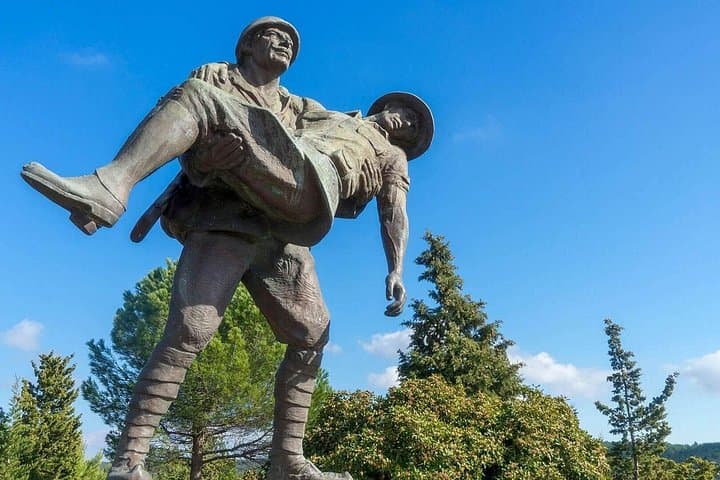
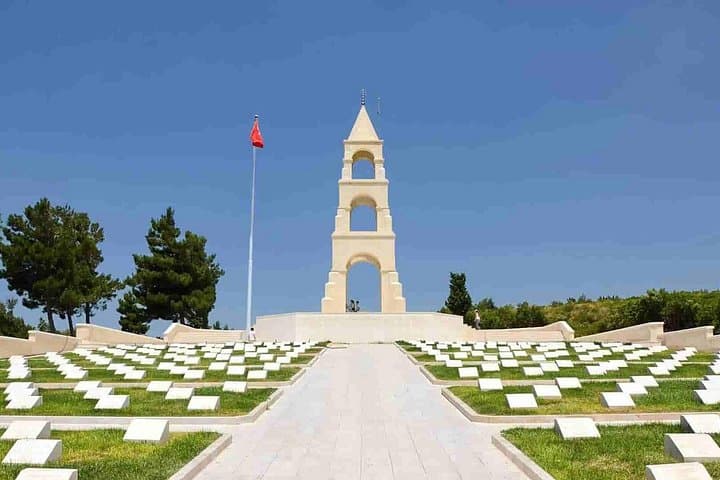
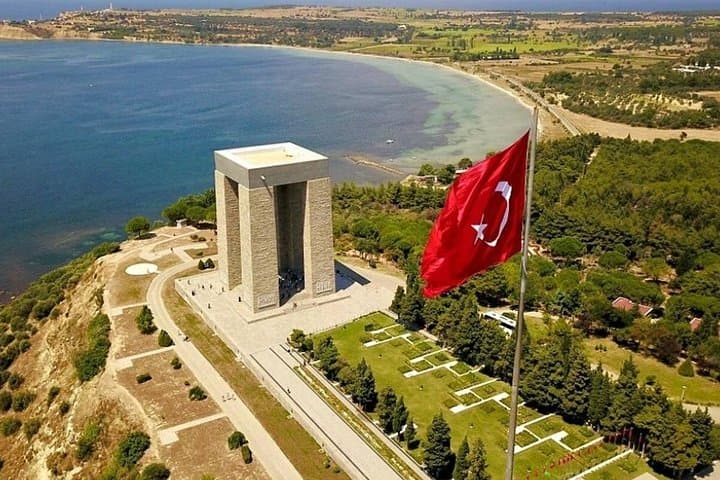
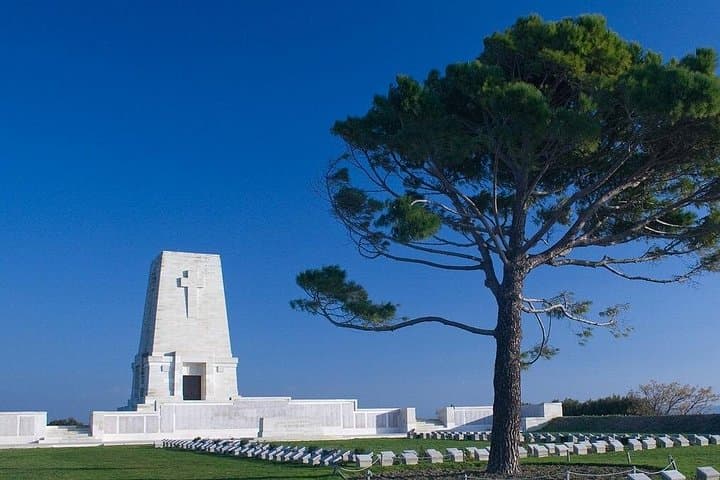
This is ground that changed modern history: the 1915 Gallipoli Campaign pitted ANZAC and Allied troops against Ottoman defenders in months of costly fighting. Today the route threads through Eceabat to ANZAC Cove, Lone Pine Memorial and the Beach Cemetery, pausing where Johnston’s Jolly and the Nek still show trench lines. Geologically the coast is a mix of sedimentary cliffs and low ridges — Chunuk Bair rises as a modest high point but carries outsized significance.
Local life centers on Eceabat’s harbor restaurants and quiet museums that interpret wartime artifacts and Ottoman-era coastal defenses. Guides usually frame the sites with both military detail and human stories, and the tone at memorials is respectful and reflective.
Practicalities: expect a full 17-hour day with hotel pickup in Istanbul and extended drives each way. Walking is light but steady; paths include paved memorial approaches, compacted dirt trails and some uneven trench areas. Bring sun protection, steady shoes, water and a camera with extra battery. Observe local rules at cemeteries — quiet, no litter, and no artifact removal — and allow time to absorb the history rather than rush between plaques.
easy.
17 hours.
Suitable for travelers in average fitness; requires short walks and standing during memorial visits
The coach transfer typically takes about 4–5 hours each way depending on traffic and ferry scheduling, making this a full-day tour.
Yes; entrance fees and a local lunch are included as part of the itinerary.
The tour is labeled suitable for all fitness levels but involves walking at memorial sites and some uneven terrain—those with mobility limitations should check specific access at each site.
Yes—many visitors leave flowers or poppies, but follow onsite guidance and avoid placing items that could damage grave markers or contravene memorial rules.
The 1915 Gallipoli Campaign was a defining clash in WWI; ANZAC forces landed at beaches like ANZAC Cove while Ottoman troops, organized under leaders including Mustafa Kemal, defended key ridges.
The Gallipoli historic sites are protected as a national park and cemetery network—visitors are asked to stick to paths, avoid disturbing artifacts and support preservation through respectful visitation.
Tourmania operates guided outdoor trips and adventures with an emphasis on safety, stewardship, and memorable experiences.
You step off the coach into a wind that seems to carry voices — gulls wheel above low limestone ridges while the Aegean pushes at a narrow shoreline. The Gallipoli Peninsula unfolds as a strip of scrub, olive terraces and scarred earth where the landscape still holds the geometry of trenches and memorials.
You step off the coach into a wind that seems to carry voices — gulls wheel above low limestone ridges while the Aegean pushes at a narrow shoreline. The Gallipoli Peninsula unfolds as a strip of scrub, olive terraces and scarred earth where the landscape still holds the geometry of trenches and memorials.
This is ground that changed modern history: the 1915 Gallipoli Campaign pitted ANZAC and Allied troops against Ottoman defenders in months of costly fighting. Today the route threads through Eceabat to ANZAC Cove, Lone Pine Memorial and the Beach Cemetery, pausing where Johnston’s Jolly and the Nek still show trench lines. Geologically the coast is a mix of sedimentary cliffs and low ridges — Chunuk Bair rises as a modest high point but carries outsized significance.
Local life centers on Eceabat’s harbor restaurants and quiet museums that interpret wartime artifacts and Ottoman-era coastal defenses. Guides usually frame the sites with both military detail and human stories, and the tone at memorials is respectful and reflective.
Practicalities: expect a full 17-hour day with hotel pickup in Istanbul and extended drives each way. Walking is light but steady; paths include paved memorial approaches, compacted dirt trails and some uneven trench areas. Bring sun protection, steady shoes, water and a camera with extra battery. Observe local rules at cemeteries — quiet, no litter, and no artifact removal — and allow time to absorb the history rather than rush between plaques.