THE ADVENTURE COLLECTIVE® · Independent discovery and booking for outdoor travel

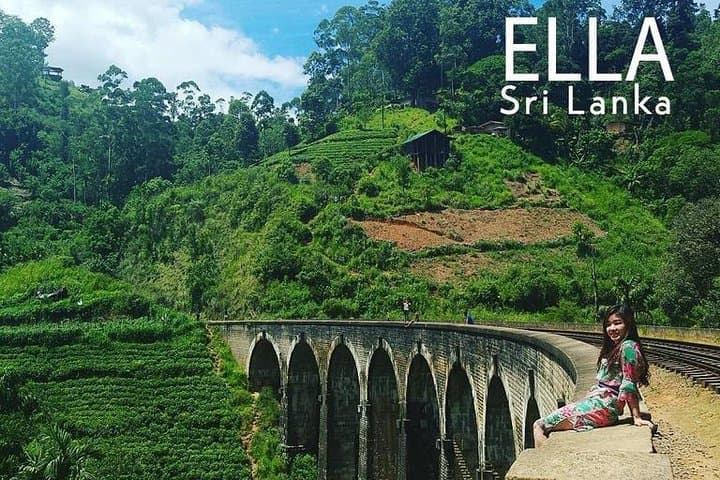
Combine a private 3–4 hour safari in Udawalawe National Park with a scenic transfer from Galle to Ella. See wild Sri Lankan elephants, visit the Elephant Transit Home, and travel across varied southern landscapes in a single day.
Combine a private 3–4 hour safari in Udawalawe National Park with a scenic transfer from Galle to Ella. See wild Sri Lankan elephants, visit the Elephant Transit Home, and travel across varied southern landscapes in a single day.
Morning light slides off the southern coast as the vehicle departs Galle, the city shrinking behind colonial ramparts while palms and paddy fields pull into focus.
Verified experiences and guided adventures in the surrounding area.
Operated by Summer Dew Tours · Udawalawe, Southern Province
Morning light slides off the southern coast as the vehicle departs Galle, the city shrinking behind colonial ramparts while palms and paddy fields pull into focus.
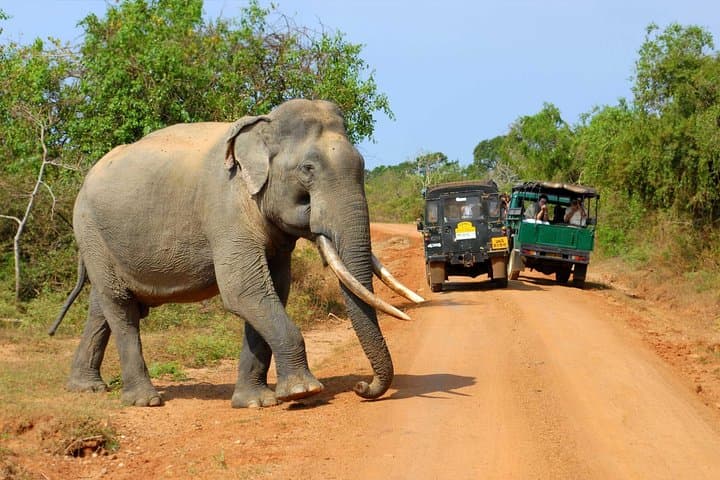
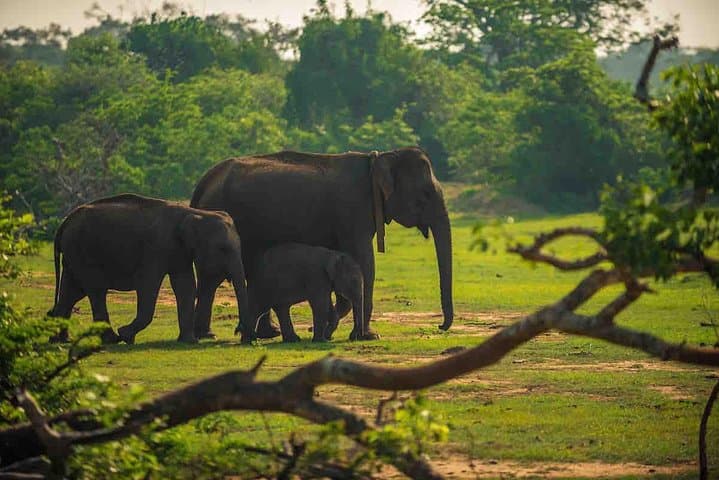
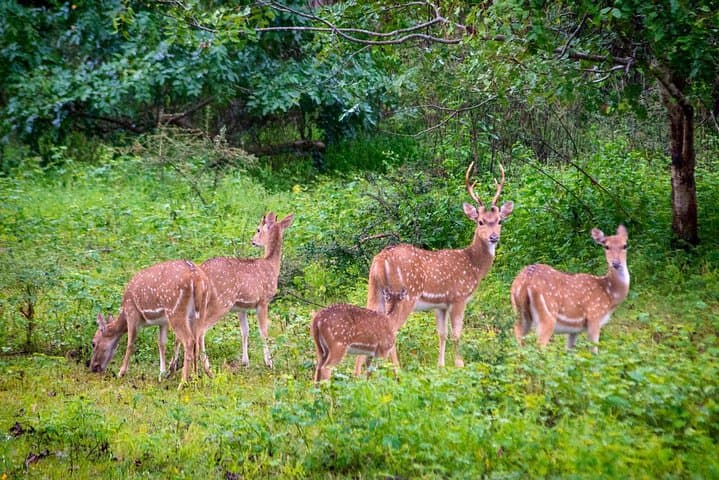
Halfway to the central highlands the road opens onto the broad rim of Udawalawe Reservoir and the scrubby grasslands of Udawalawe National Park. The landscape is pragmatic—dry plains, shallow tanks and a reservoir rim that draws elephants and waterbirds in equal measure. The park was created to protect wildlife displaced by the construction of the reservoir in the 1960s and '70s; today it’s one of Sri Lanka’s most reliable places to see free-ranging Sri Lankan elephants.
Cultural markers appear as low villages and small Buddhist shrines, and the Elephant Transit Home near the park rehabilitates orphaned calves before release—an accessible example of local conservation practice. Geologically the area is a low-lying basin carved by irrigation and seasonal rivers that swell during the monsoon, concentrating wildlife along permanent water.
Practical guidance: a private jeep and experienced tracker provide a 3–4 hour game drive, followed by lunch and onward transfer to Ella. Expect dusty tracks, sudden animal encounters and limited facilities inside the park—carry water, sun protection and a basic first-aid kit. Binoculars and a telephoto lens are high-value gear; comfortable shoes suffice for short walks.
Timing matters: an early departure from Galle increases wildlife sightings and avoids late-day traffic toward Ella. Travel time and animal sightings vary with weather and season, but the route combines wildlife viewing with a long, scenic transfer through southern Sri Lanka’s changing landscapes.
easy.
8–9 hours.
Suitable for most travelers; long periods in a vehicle with short, gentle walks. Be prepared for bumpy jeep tracks.
Pickup is typically from Galle hotels; drop-off is in Ella as arranged—confirm pickup point and any alternate drop locations in advance.
Yes—visits are often included or optional after the safari; check timing since feeding sessions have specific schedules and limited access.
The game drive is usually 3–4 hours within the park, run in a private jeep with a local tracker and driver.
Basic facilities exist at park entrances and nearby cafes; bring bottled water and snacks since options are limited inside the park.
Udawalawe National Park was established in the late 20th century to protect animals displaced by the creation of Udawalawe Reservoir; the Elephant Transit Home rehabilitates orphaned calves.
Stick to tracks, avoid single-use plastics, and follow guide instructions—tourism revenue supports local conservation and elephant rehabilitation programs.
Summer Dew Tours operates guided outdoor trips and adventures with an emphasis on safety, stewardship, and memorable experiences.
Morning light slides off the southern coast as the vehicle departs Galle, the city shrinking behind colonial ramparts while palms and paddy fields pull into focus.
Morning light slides off the southern coast as the vehicle departs Galle, the city shrinking behind colonial ramparts while palms and paddy fields pull into focus.
Halfway to the central highlands the road opens onto the broad rim of Udawalawe Reservoir and the scrubby grasslands of Udawalawe National Park. The landscape is pragmatic—dry plains, shallow tanks and a reservoir rim that draws elephants and waterbirds in equal measure. The park was created to protect wildlife displaced by the construction of the reservoir in the 1960s and '70s; today it’s one of Sri Lanka’s most reliable places to see free-ranging Sri Lankan elephants.
Cultural markers appear as low villages and small Buddhist shrines, and the Elephant Transit Home near the park rehabilitates orphaned calves before release—an accessible example of local conservation practice. Geologically the area is a low-lying basin carved by irrigation and seasonal rivers that swell during the monsoon, concentrating wildlife along permanent water.
Practical guidance: a private jeep and experienced tracker provide a 3–4 hour game drive, followed by lunch and onward transfer to Ella. Expect dusty tracks, sudden animal encounters and limited facilities inside the park—carry water, sun protection and a basic first-aid kit. Binoculars and a telephoto lens are high-value gear; comfortable shoes suffice for short walks.
Timing matters: an early departure from Galle increases wildlife sightings and avoids late-day traffic toward Ella. Travel time and animal sightings vary with weather and season, but the route combines wildlife viewing with a long, scenic transfer through southern Sri Lanka’s changing landscapes.