THE ADVENTURE COLLECTIVE® · Independent discovery and booking for outdoor travel

Spend a day traveling Sri Lanka’s southern edge: a mangrove boat ride, turtle conservation at Kosgoda, a walking tour of UNESCO-listed Galle Fort and stilt fishermen in Weligama, ending with beach time in Hikkaduwa or Unawatuna. Practical tips and local insights help you plan a full, low-impact coastal day.
Spend a day traveling Sri Lanka’s southern edge: a mangrove boat ride, turtle conservation at Kosgoda, a walking tour of UNESCO-listed Galle Fort and stilt fishermen in Weligama, ending with beach time in Hikkaduwa or Unawatuna. Practical tips and local insights help you plan a full, low-impact coastal day.
You step out of an air-conditioned van into salt-sweet air and the soft rumble of the Indian Ocean—morning light gilds the ramparts of Galle Fort while mangrove roots reach like fingers into the dark of the Madu River.
Verified experiences and guided adventures in the surrounding area.
Operated by Prestige Escapes · Galle, Southern Province
You step out of an air-conditioned van into salt-sweet air and the soft rumble of the Indian Ocean—morning light gilds the ramparts of Galle Fort while mangrove roots reach like fingers into the dark of the Madu River.
Start with a slow boat through mangroves where water channels carve the shoreline; the river pushes and pulls you past crabs and herons, a small wild world tucked behind the coast. From there the tour moves to Kosgoda’s turtle hatchery, where conservation workers explain nesting cycles and the careful cadence of releases.
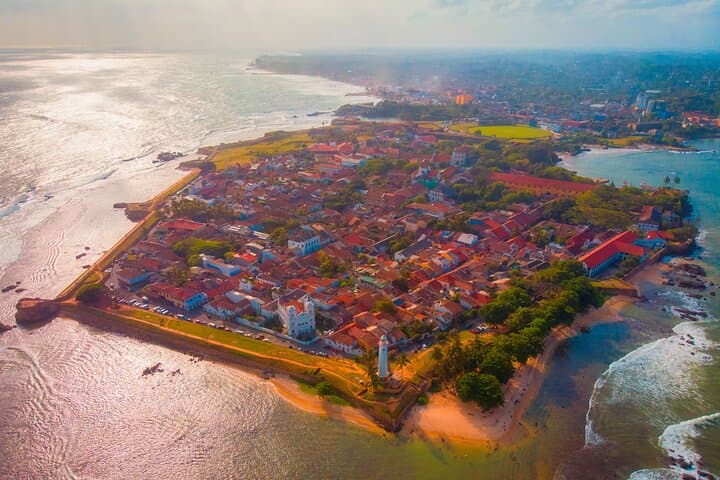
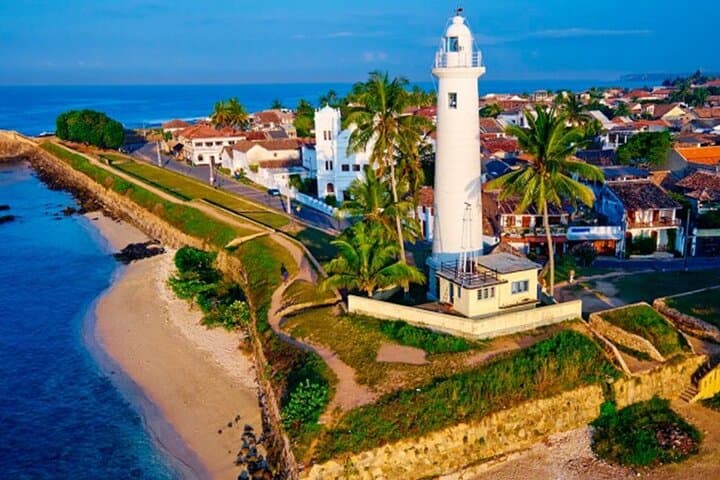
Galle Fort arrives like a live history lesson: Dutch ramparts, British-period buildings and winding cobblestones that reveal colonial trade routes, spice markets and the geological bones of the southern shore—ancient metamorphic bedrock dropping to coral reefs offshore.
Culture is visible and audible—tea vendors, fishermen mending nets, and in Weligama the stilt fishermen balancing on poles above the surf, a practice tied to reef fishing and local tides.
Practical guidance: this is a full-day, low-impact outing best started early to avoid midday heat; expect 10 hours including transfers. Bring sun protection, a lightweight rain layer (sudden showers are common), and footwear suitable for cobbles and boat decks. Keep small cash for entry fees, tips and local snacks; follow hatchery instructions when observing turtles.
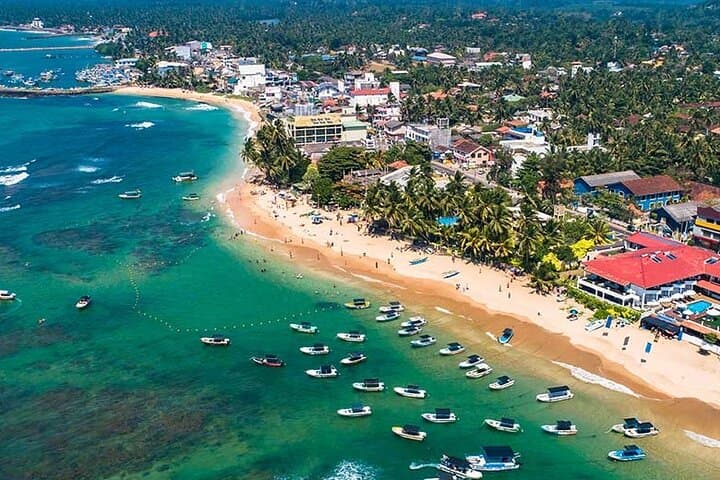
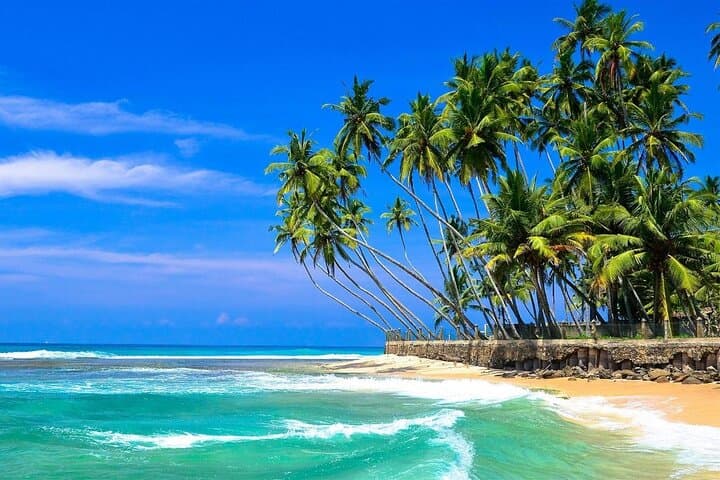
End the day with a swim at Hikkaduwa or Unawatuna where coral gardens begin offshore—stay mindful of currents and reef etiquette. The itinerary is broad and accessible, balancing wildlife, history and shoreline scenery in one coastal sweep.
easy.
10 hours.
Suitable for most fitness levels; requires walking on cobblestones, short boat transfers and standing for brief periods.
The full-day tour lasts about 10 hours; most operators start in the morning (typically 7–8AM) to maximize daylight and cooler temperatures.
Visits are usually observational and educational; direct handling is restricted to trained staff to protect the animals.
Yes—transport is private and the itinerary is low-impact, but expect some walking on uneven surfaces and short boat rides.
Yes—Hikkaduwa and Unawatuna offer safe swimming areas, but check local swim conditions and avoid reef damage by using designated entry points.
Galle Fort was extensively fortified by the Dutch in the 17th century atop earlier Portuguese foundations; it became a major node in Indian Ocean trade routes.
Turtle hatcheries and reef-protection groups work locally to reduce bycatch and preserve nesting beaches—visitors should follow guidelines to limit disturbance.
Prestige Escapes operates guided outdoor trips and adventures with an emphasis on safety, stewardship, and memorable experiences.
You step out of an air-conditioned van into salt-sweet air and the soft rumble of the Indian Ocean—morning light gilds the ramparts of Galle Fort while mangrove roots reach like fingers into the dark of the Madu River.
You step out of an air-conditioned van into salt-sweet air and the soft rumble of the Indian Ocean—morning light gilds the ramparts of Galle Fort while mangrove roots reach like fingers into the dark of the Madu River.
Start with a slow boat through mangroves where water channels carve the shoreline; the river pushes and pulls you past crabs and herons, a small wild world tucked behind the coast. From there the tour moves to Kosgoda’s turtle hatchery, where conservation workers explain nesting cycles and the careful cadence of releases.
Galle Fort arrives like a live history lesson: Dutch ramparts, British-period buildings and winding cobblestones that reveal colonial trade routes, spice markets and the geological bones of the southern shore—ancient metamorphic bedrock dropping to coral reefs offshore.
Culture is visible and audible—tea vendors, fishermen mending nets, and in Weligama the stilt fishermen balancing on poles above the surf, a practice tied to reef fishing and local tides.
Practical guidance: this is a full-day, low-impact outing best started early to avoid midday heat; expect 10 hours including transfers. Bring sun protection, a lightweight rain layer (sudden showers are common), and footwear suitable for cobbles and boat decks. Keep small cash for entry fees, tips and local snacks; follow hatchery instructions when observing turtles.
End the day with a swim at Hikkaduwa or Unawatuna where coral gardens begin offshore—stay mindful of currents and reef etiquette. The itinerary is broad and accessible, balancing wildlife, history and shoreline scenery in one coastal sweep.