THE ADVENTURE COLLECTIVE® · Independent discovery and booking for outdoor travel

Explore Galle Fort’s colonial ramparts, visit a coastal turtle care center, and glide through the mangroves on the Madu Ganga river safari—all in a single day along Sri Lanka’s southern coast. Practical tips on timing, footwear and what to expect on each stop.
Explore Galle Fort’s colonial ramparts, visit a coastal turtle care center, and glide through the mangroves on the Madu Ganga river safari—all in a single day along Sri Lanka’s southern coast. Practical tips on timing, footwear and what to expect on each stop.
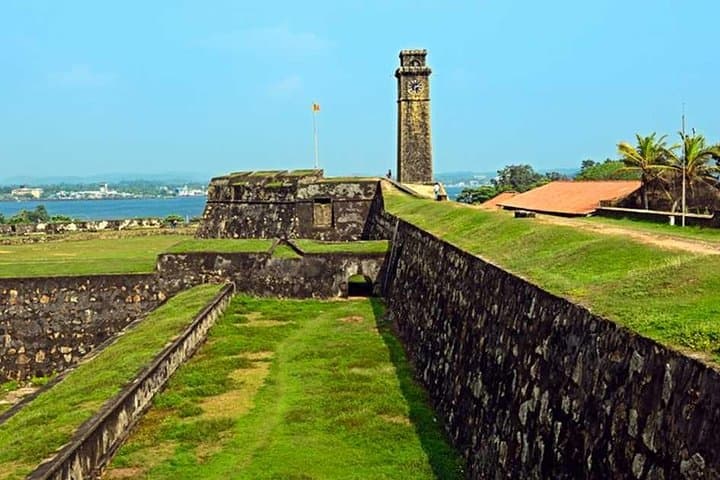
The salt wind threads the ramparts of Galle Fort as tuk-tuks hum in the distance and the Indian Ocean keeps time against the sea wall.
Verified experiences and guided adventures in the surrounding area.
Operated by G.T.S Tours Sri Lanka · Galle, Southern Province
The salt wind threads the ramparts of Galle Fort as tuk-tuks hum in the distance and the Indian Ocean keeps time against the sea wall.
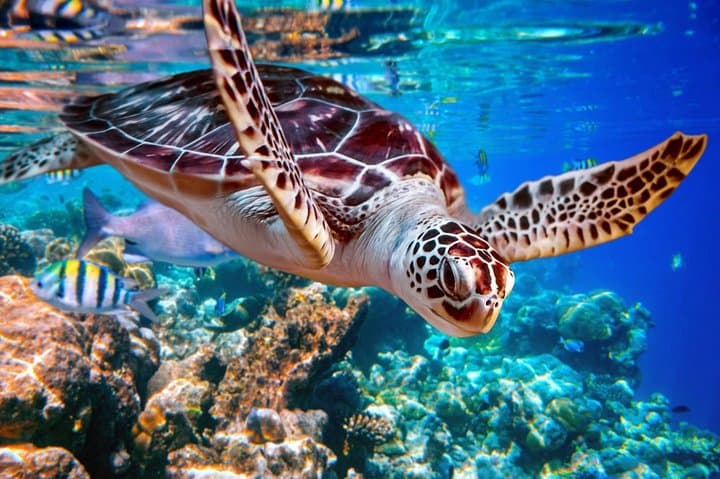
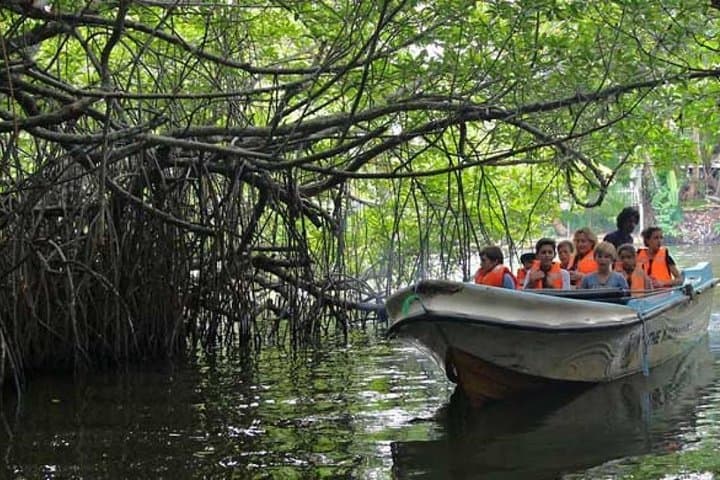
On a one-day circuit from the southwest coast you move between colonial stone, coastal conservation work and lazy mangrove channels: a morning walk along the Dutch-built fortifications that still frame narrow streets, an afternoon at a coastal turtle care center where olive ridley and green turtles are rehabilitated, and a late-day Madu Ganga river safari where mangroves close ranks and the river dares you to slow down.
Galle’s layered history—Portuguese footholds in the 16th century refined into the Dutch fort of the 17th century—reads in the masonry and street plan. Geology here is coastal sediment and reef-derived sand, with low cliffs, sheltered bays, and estuarine channels carved by tidal flow. Culturally, the area blends fishing, cinnamon-processing villages and tourism; local boat guides and small spice farms still shape livelihoods along Balapitiya and Bentota.
Practical guidance: expect roughly a 6-hour day with substantial driving between stops; comfortable shoes for cobbled streets and damp river boardwalks; sun protection and a light rain layer for sudden squalls. Admission fees for attractions and optional water-sports are often extra; bring small change. The tour typically runs in an air-conditioned vehicle with bottled water provided, but plan for modest walking, uneven surfaces and warm, humid conditions. Time your visit outside the southwest monsoon months for clearer sea views and calmer river conditions.
easy.
6–7 hours.
Suitable for travelers of most fitness levels; involves short walks on uneven ground and boat rides.
The itinerary runs about six hours (720 minutes) including driving between stops and time at Galle Fort, the turtle center, and Madu Ganga.
Basic transport and bottled water are typically included, but specific admissions and optional water-sports at Bentota are usually extra—confirm before booking.
Yes—this tour is generally suitable for families; infant seats and stroller access are often available, but infants may need to sit on laps for vehicle transfers.
Walking is light to moderate: cobbled streets at Galle Fort and short boardwalks at river sites; plan for uneven surfaces and some steps.
Galle Fort began under Portuguese rule and was extensively rebuilt by the Dutch in the 17th century; it’s now a UNESCO World Heritage Site noted for its colonial architecture.
Local turtle rehabilitation centers and mangrove preservation efforts rely on visitor donations and responsible behavior—avoid disturbing nesting beaches and wildlife.
G.T.S Tours Sri Lanka operates guided outdoor trips and adventures with an emphasis on safety, stewardship, and memorable experiences.
The salt wind threads the ramparts of Galle Fort as tuk-tuks hum in the distance and the Indian Ocean keeps time against the sea wall.
The salt wind threads the ramparts of Galle Fort as tuk-tuks hum in the distance and the Indian Ocean keeps time against the sea wall.
On a one-day circuit from the southwest coast you move between colonial stone, coastal conservation work and lazy mangrove channels: a morning walk along the Dutch-built fortifications that still frame narrow streets, an afternoon at a coastal turtle care center where olive ridley and green turtles are rehabilitated, and a late-day Madu Ganga river safari where mangroves close ranks and the river dares you to slow down.
Galle’s layered history—Portuguese footholds in the 16th century refined into the Dutch fort of the 17th century—reads in the masonry and street plan. Geology here is coastal sediment and reef-derived sand, with low cliffs, sheltered bays, and estuarine channels carved by tidal flow. Culturally, the area blends fishing, cinnamon-processing villages and tourism; local boat guides and small spice farms still shape livelihoods along Balapitiya and Bentota.
Practical guidance: expect roughly a 6-hour day with substantial driving between stops; comfortable shoes for cobbled streets and damp river boardwalks; sun protection and a light rain layer for sudden squalls. Admission fees for attractions and optional water-sports are often extra; bring small change. The tour typically runs in an air-conditioned vehicle with bottled water provided, but plan for modest walking, uneven surfaces and warm, humid conditions. Time your visit outside the southwest monsoon months for clearer sea views and calmer river conditions.