THE ADVENTURE COLLECTIVE® · Independent discovery and booking for outdoor travel

Explore Galle Fort with a local guide and a 60–120 minute walking route that covers bastions, the Dutch Reformed Church, lighthouse and bustling markets. Ideal for travelers who want a concise, historically rich introduction to Galle’s coastal city life.
Explore Galle Fort with a local guide and a 60–120 minute walking route that covers bastions, the Dutch Reformed Church, lighthouse and bustling markets. Ideal for travelers who want a concise, historically rich introduction to Galle’s coastal city life.
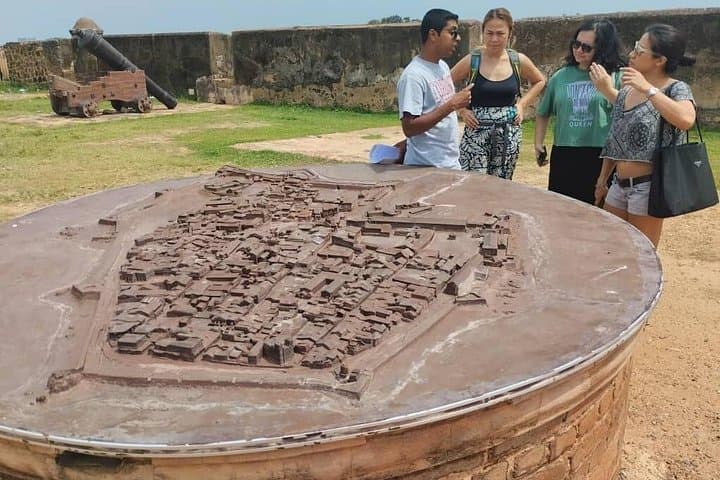
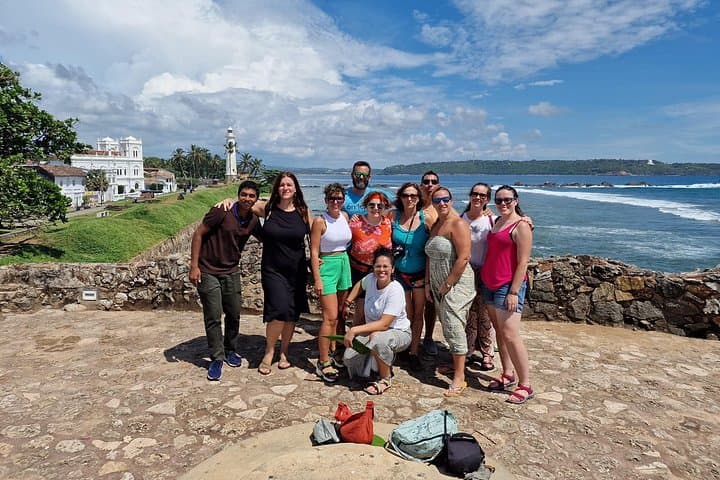
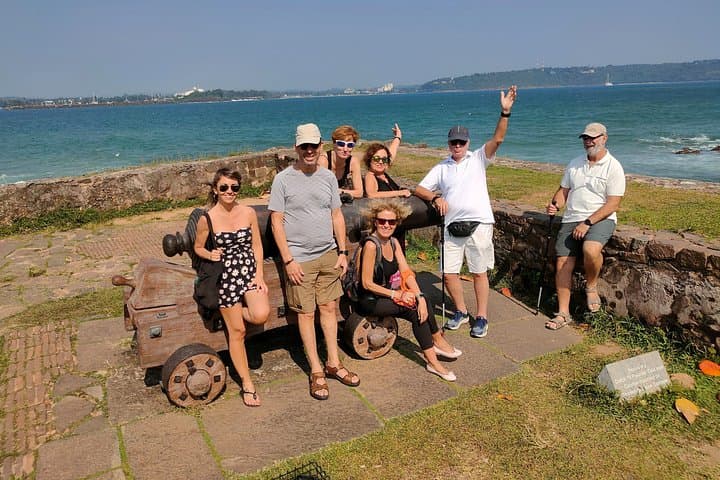
You meet at a shaded corner inside Galle Fort, the Indian Ocean pressing cool air against the ramparts while the fort stones hold a slow, salt-stiff memory. Tharindu leads you off the main promenade: we pause at the bastions to watch waves undo the horizon and then move through lanes where crumbling stores and bright shopfronts keep close company.
Verified experiences and guided adventures in the surrounding area.
Operated by Round Tours With Tharindu · Galle, Southern Province
You meet at a shaded corner inside Galle Fort, the Indian Ocean pressing cool air against the ramparts while the fort stones hold a slow, salt-stiff memory. Tharindu leads you off the main promenade: we pause at the bastions to watch waves undo the horizon and then move through lanes where crumbling stores and bright shopfronts keep close company.
The fort is a layered history — a 17th-century Dutch defensive ring later overlaid by British civic architecture. Geology here is literal: coral and sedimentary rock underfoot mixed with reclaimed harbor fills; the ground is flat, the views open toward a broad, shallow bay. Culturally, Galle is both Sinhala and Tamil Sri Lanka with colonial annotations — the Dutch Reformed Church looms with carved tombstones, the lighthouse and gunpowder house speak to maritime trade and conflict, and markets outside the walls show the modern, working city.
Expect cobbled lanes, occasional steps, and narrow streets that funnel breeze and conversation. The walk covers roughly 1.5–2 km at a relaxed pace (about 60–120 minutes depending on stops). Tharindu’s commentary ties cricket ground lore to tsunami history, and ends at the fruit and cloth markets where commerce hums.
Practical guidance: wear sturdy, flat shoes for uneven cobbles, carry sun protection and a refillable water bottle, and bring small cash for cafés or market stalls. Morning or late afternoon avoids the midday heat; respect church grounds and tombstones, and keep noise low in residential alleys. The tour is private and accessible for most fitness levels, making it a compact, informative introduction to Galle’s coastal heritage.
easy.
60–120 minutes.
Basic walking fitness; participants should be able to walk 1.5–2 km on uneven surfaces without difficulty.
The private tour runs about 60–120 minutes and covers roughly 1.5–2 km with frequent stops at historical sites and markets.
Yes—terrain is flat with some uneven cobbles; the pace is relaxed and the guide can adjust stops, but mobility aids may be challenged by cobblestones.
The tour includes bottled water but not food or entrance fees to private sites; there are optional stops at the Dutch Hospital precinct where you can purchase food.
You'll meet at the agreed meeting point inside the fort; bookings use a mobile or paper ticket and the guide provides the walk as a private tour.
Galle Fort began as a Portuguese outpost before the Dutch rebuilt it in the 17th century; it remains a living UNESCO World Heritage site combining colonial and local architecture.
Visitors should stick to established paths, avoid climbing on tombstones or walls, and reduce plastic waste to help preserve the fragile historic fabric and coastal environment.
Round Tours With Tharindu operates guided outdoor trips and adventures with an emphasis on safety, stewardship, and memorable experiences.
You meet at a shaded corner inside Galle Fort, the Indian Ocean pressing cool air against the ramparts while the fort stones hold a slow, salt-stiff memory. Tharindu leads you off the main promenade: we pause at the bastions to watch waves undo the horizon and then move through lanes where crumbling stores and bright shopfronts keep close company.
You meet at a shaded corner inside Galle Fort, the Indian Ocean pressing cool air against the ramparts while the fort stones hold a slow, salt-stiff memory. Tharindu leads you off the main promenade: we pause at the bastions to watch waves undo the horizon and then move through lanes where crumbling stores and bright shopfronts keep close company.
The fort is a layered history — a 17th-century Dutch defensive ring later overlaid by British civic architecture. Geology here is literal: coral and sedimentary rock underfoot mixed with reclaimed harbor fills; the ground is flat, the views open toward a broad, shallow bay. Culturally, Galle is both Sinhala and Tamil Sri Lanka with colonial annotations — the Dutch Reformed Church looms with carved tombstones, the lighthouse and gunpowder house speak to maritime trade and conflict, and markets outside the walls show the modern, working city.
Expect cobbled lanes, occasional steps, and narrow streets that funnel breeze and conversation. The walk covers roughly 1.5–2 km at a relaxed pace (about 60–120 minutes depending on stops). Tharindu’s commentary ties cricket ground lore to tsunami history, and ends at the fruit and cloth markets where commerce hums.
Practical guidance: wear sturdy, flat shoes for uneven cobbles, carry sun protection and a refillable water bottle, and bring small cash for cafés or market stalls. Morning or late afternoon avoids the midday heat; respect church grounds and tombstones, and keep noise low in residential alleys. The tour is private and accessible for most fitness levels, making it a compact, informative introduction to Galle’s coastal heritage.