
Galle Fort to Bentota: Boat Safari, Turtle Hatchery & Moonstone Mine Day Trip
Spend a compact day moving from Galle’s colonial ramparts to the braided channels of the Bentota River, with turtle conservation visits and a moonstone mine thrown in. Expect easy walking, wildlife glimpses, and a mix of beach and river scenery.
An Adventure In Galle.
Spend a compact day moving from Galle’s colonial ramparts to the braided channels of the Bentota River, with turtle conservation visits and a moonstone mine thrown in. Expect easy walking, wildlife glimpses, and a mix of beach and river scenery.
Read the full experience
A sunrise wash of ochre hits the ramparts of Galle Fort while the Bentota River slips quietly past mangrove fingers that seem to reach for the hull. On this coastal day trip, the sea and river share the itinerary: a short boat safari through braided estuary channels, a historic walk across cobbled colonial streets, then a brief stop at a turtle conservation site and a moonstone mine where the ground still carries the dust of diggers.
A sunrise wash of ochre hits the ramparts of Galle Fort while the Bentota River slips quietly past mangrove fingers that seem to reach for the hull. On this coastal day trip, the sea and river share the itinerary: a short boat safari through braided estuary channels, a historic walk across cobbled colonial streets, then a brief stop at a turtle conservation site and a moonstone mine where the ground still carries the dust of diggers.
Galle Fort dates to Portuguese works from 1588 and the Dutch expansions of the 17th century; its stone walls and lamp-lit lanes hold layers of colonial trade and local Sinhalese life. Geologically the southern coast alternates between sandy beaches, coral reef terraces offshore, and alluvial deposits inland that produce moonstone—the local gem that lends the Meetiyagoda mine its pull. Culturally, fishing villages, Buddhist temples and market stalls thread the route; the tour often pauses at a 300-year-old temple and the region’s ocean-facing viewpoints.
Practically, expect 4–8 hours that blend gentle boat cruising, light walking on uneven cobbles, and short transfers by air-conditioned vehicle. Wildlife sightings—monkeys at the river edge, estuarine crocodiles and sea turtles offshore—depend on tide and season. Bring sun protection, insect repellent and comfortable walking shoes; if you want to release hatchlings, plan a small extra payment at the hatchery. Start early to beat heat and crowds, and allow time at Galle for a slow walk along the ramparts—the best place to read the layered history and let the sea wind push you forward.
Frequently asked questions
The excursion runs about 4–8 hours; expect roughly 60 minutes for the boat safari, 60 minutes in Galle Fort, and short 15–30 minute stops at the turtle site, moonstone mine and a beach.
Wildlife sightings are common but not guaranteed; turtles and estuarine crocodiles are seasonal and tide-dependent—early mornings increase chances.
Turtle hatchery visits are included, but the optional symbolic release of hatchlings typically requires a small extra fee paid locally.
Yes—organizers list the tour as physically easy. Infants must sit on laps and infant seats are available; however, uneven cobbles and boat movement may be challenging for some with mobility issues.
About This Experience
Sindu Tours Sri Lanka operates guided outdoor trips and adventures with an emphasis on safety, stewardship, and memorable experiences.
Adventure tips
Recommended gear
- Comfortable walking shoes: Provides grip on cobbled streets and protection during short nature walks.
- Sun hat & sunscreen: Essential for prolonged exposure on the ramparts and open boat decks.
- Insect repellent: Useful during mangrove boat sections and temple grounds, especially at dusk or after rain.
- Light rain jacket: Compact protection for sudden monsoon showers during the May–September season.
Photos of the experience
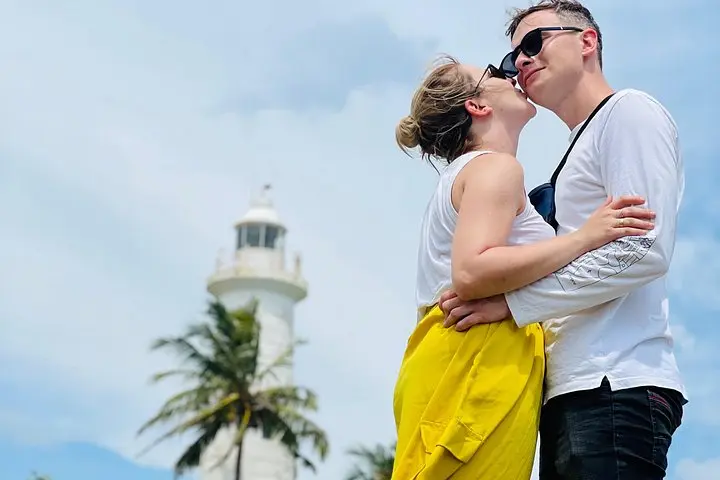
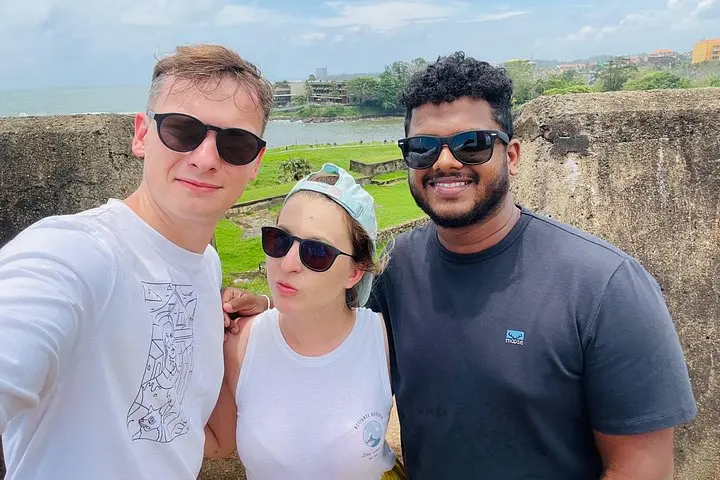
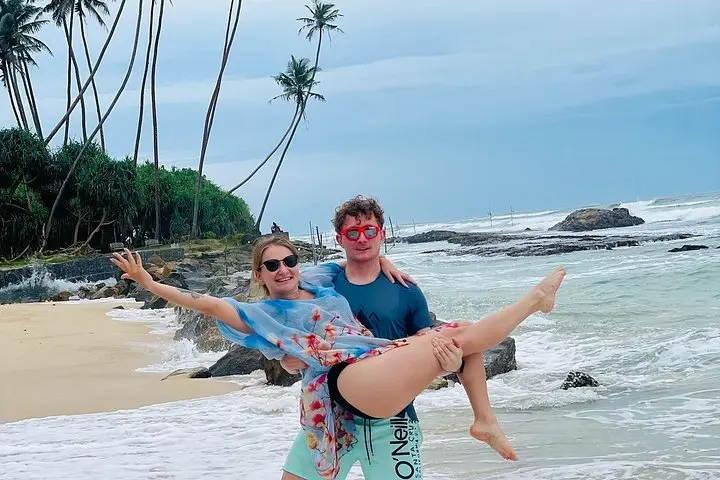
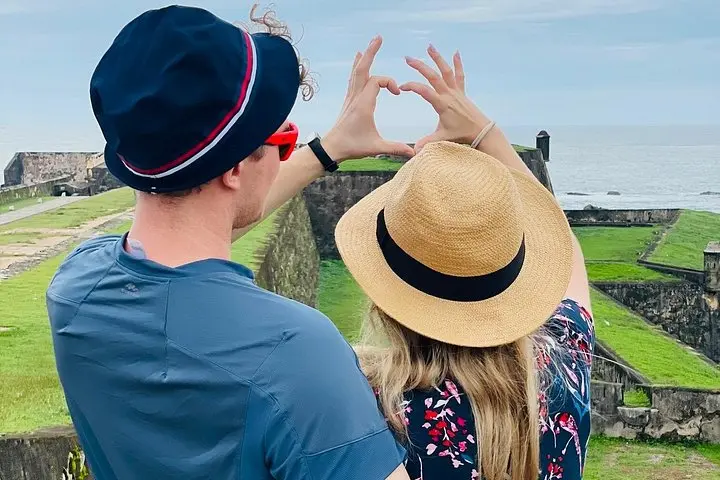
Related adventures & guides
Read the full experience
A sunrise wash of ochre hits the ramparts of Galle Fort while the Bentota River slips quietly past mangrove fingers that seem to reach for the hull. On this coastal day trip, the sea and river share the itinerary: a short boat safari through braided estuary channels, a historic walk across cobbled colonial streets, then a brief stop at a turtle conservation site and a moonstone mine where the ground still carries the dust of diggers.
A sunrise wash of ochre hits the ramparts of Galle Fort while the Bentota River slips quietly past mangrove fingers that seem to reach for the hull. On this coastal day trip, the sea and river share the itinerary: a short boat safari through braided estuary channels, a historic walk across cobbled colonial streets, then a brief stop at a turtle conservation site and a moonstone mine where the ground still carries the dust of diggers.
Galle Fort dates to Portuguese works from 1588 and the Dutch expansions of the 17th century; its stone walls and lamp-lit lanes hold layers of colonial trade and local Sinhalese life. Geologically the southern coast alternates between sandy beaches, coral reef terraces offshore, and alluvial deposits inland that produce moonstone—the local gem that lends the Meetiyagoda mine its pull. Culturally, fishing villages, Buddhist temples and market stalls thread the route; the tour often pauses at a 300-year-old temple and the region’s ocean-facing viewpoints.
Practically, expect 4–8 hours that blend gentle boat cruising, light walking on uneven cobbles, and short transfers by air-conditioned vehicle. Wildlife sightings—monkeys at the river edge, estuarine crocodiles and sea turtles offshore—depend on tide and season. Bring sun protection, insect repellent and comfortable walking shoes; if you want to release hatchlings, plan a small extra payment at the hatchery. Start early to beat heat and crowds, and allow time at Galle for a slow walk along the ramparts—the best place to read the layered history and let the sea wind push you forward.
Make a day of it nearby.
Verified experiences and guided adventures in the surrounding area.