THE ADVENTURE COLLECTIVE® · Independent discovery and booking for outdoor travel

Walk the cobbled alleys of Galle Fort, shop a seafood market with a local family, then cook and eat traditional Sri Lankan dishes in a 300‑year‑old Dutch house. This four‑hour, hands‑on class blends market exploration with time‑tested home recipes.
Walk the cobbled alleys of Galle Fort, shop a seafood market with a local family, then cook and eat traditional Sri Lankan dishes in a 300‑year‑old Dutch house. This four‑hour, hands‑on class blends market exploration with time‑tested home recipes.
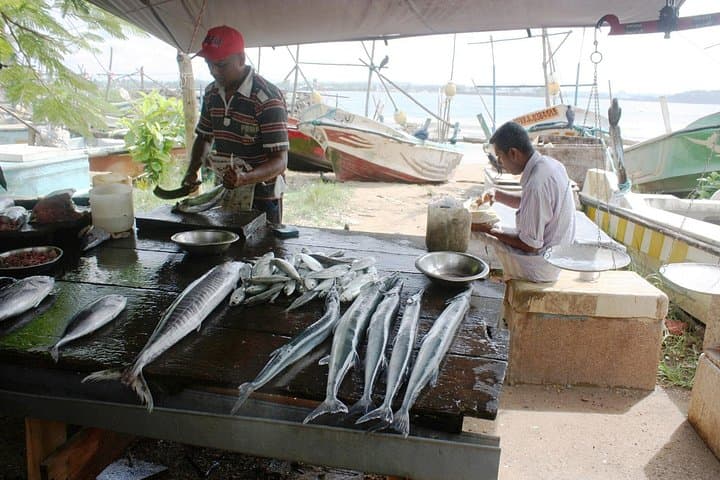
You step through the arched gateway of Galle Fort and the salt-sweet air nudges you along cobbled lanes toward an orange-tiled house three minutes from the ramparts. Traders hawk glistening fish and piles of green leaves while the lighthouse watches from the headland; the market dares you to choose the freshest produce for the meal you will make by hand.
Verified experiences and guided adventures in the surrounding area.
Operated by Traveling Spoon · Galle, Southern Province
You step through the arched gateway of Galle Fort and the salt-sweet air nudges you along cobbled lanes toward an orange-tiled house three minutes from the ramparts. Traders hawk glistening fish and piles of green leaves while the lighthouse watches from the headland; the market dares you to choose the freshest produce for the meal you will make by hand.
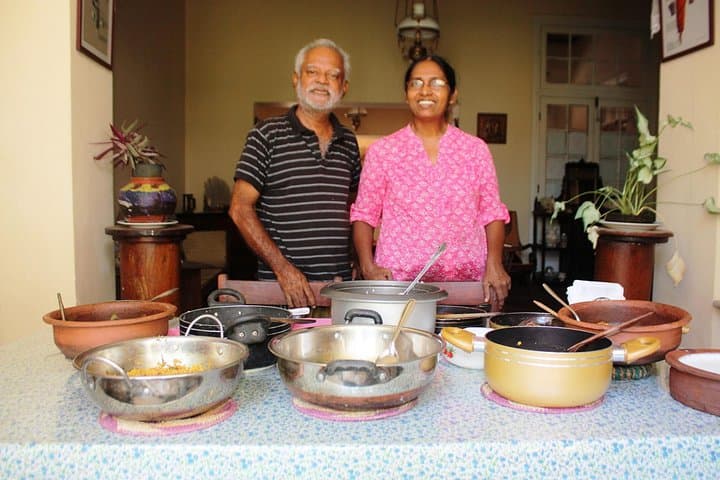
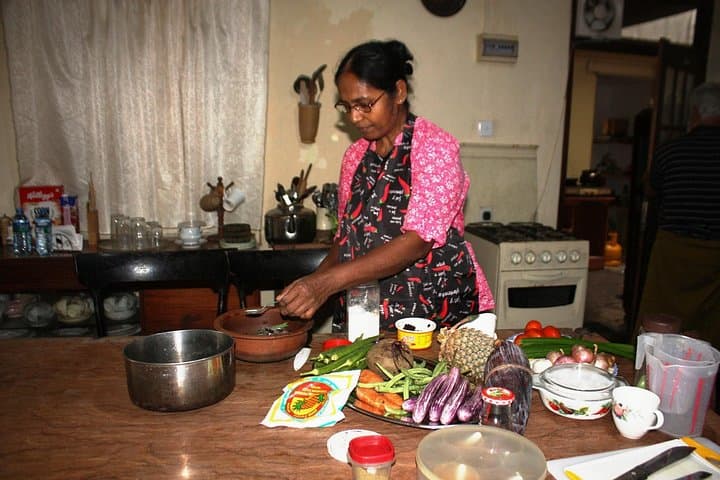
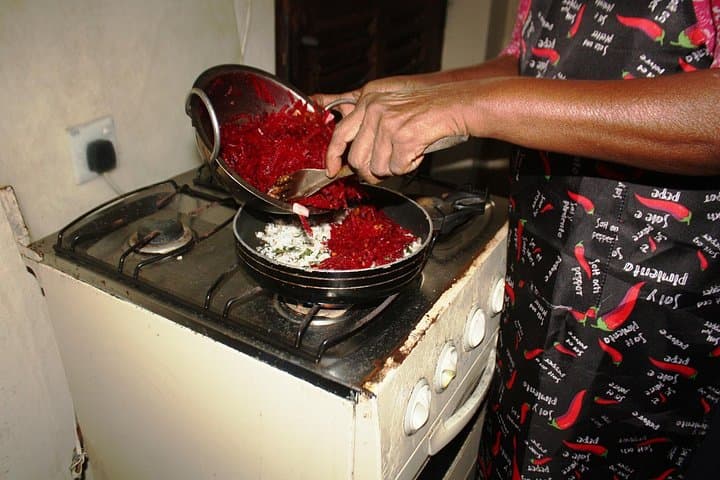
The fort itself is a layered history: Portuguese origins, Dutch reconstruction in the 17th century, and coral-and-rock ramparts that survived centuries of trade and storms. Inside a restored Dutch home—terracotta floors, wooden beams and antiques collected by the host—you meet Meena and Kodi. Meena cooks as her mother taught her: simple techniques, ground spices and coconut used three ways. The experience begins with a short market walk to select seasonal vegetables and fish, then returns to the home for a hands-on class where you learn to make coconut milk, grind spices, and prepare 3–4 vegetable curries, dhal and a fish curry.
Expect a practical cultural exchange: knife skills, stovetop timing, and family recipes explained clearly. The class runs about four hours, including the market stroll. Wear closed-toe shoes for the market, bring sunscreen and a small note of any dietary restrictions when booking. Cash helps for small market purchases; the hosts provide a full cooked lunch and a taste of local hospitality. For visitors who want a compact, authentic taste of Sri Lankan home cooking, this is an intimate, sensory immersion—equal parts history, food and hands-on learning.
easy.
4 hours.
Light physical activity: short market walk and standing while cooking; suitable for most fitness levels
Yes—hosts can prepare a vegetarian menu if advised at booking; the market visit still focuses on seasonal vegetables and spices.
This listing is for a private experience—typically just your party and the hosts, offering personalized instruction.
Children are welcome but should be supervised in the kitchen and market; inform the host about ages when booking to tailor the class.
The hosts supply all cooking implements and aprons, though you may prefer to bring a spare shirt for stains.
Galle Fort was expanded by Dutch builders in the 1600s on earlier Portuguese foundations; the fort’s buildings reflect Dutch colonial domestic architecture adapted to a tropical port.
Galle Fort is a UNESCO World Heritage site with active conservation to protect colonial structures and manage tourist impact; support local vendors and avoid single-use plastics where possible.
Traveling Spoon operates guided outdoor trips and adventures with an emphasis on safety, stewardship, and memorable experiences.
You step through the arched gateway of Galle Fort and the salt-sweet air nudges you along cobbled lanes toward an orange-tiled house three minutes from the ramparts. Traders hawk glistening fish and piles of green leaves while the lighthouse watches from the headland; the market dares you to choose the freshest produce for the meal you will make by hand.
You step through the arched gateway of Galle Fort and the salt-sweet air nudges you along cobbled lanes toward an orange-tiled house three minutes from the ramparts. Traders hawk glistening fish and piles of green leaves while the lighthouse watches from the headland; the market dares you to choose the freshest produce for the meal you will make by hand.
The fort itself is a layered history: Portuguese origins, Dutch reconstruction in the 17th century, and coral-and-rock ramparts that survived centuries of trade and storms. Inside a restored Dutch home—terracotta floors, wooden beams and antiques collected by the host—you meet Meena and Kodi. Meena cooks as her mother taught her: simple techniques, ground spices and coconut used three ways. The experience begins with a short market walk to select seasonal vegetables and fish, then returns to the home for a hands-on class where you learn to make coconut milk, grind spices, and prepare 3–4 vegetable curries, dhal and a fish curry.
Expect a practical cultural exchange: knife skills, stovetop timing, and family recipes explained clearly. The class runs about four hours, including the market stroll. Wear closed-toe shoes for the market, bring sunscreen and a small note of any dietary restrictions when booking. Cash helps for small market purchases; the hosts provide a full cooked lunch and a taste of local hospitality. For visitors who want a compact, authentic taste of Sri Lankan home cooking, this is an intimate, sensory immersion—equal parts history, food and hands-on learning.