
Galle Fort Day Trip from Kandy: Colonial Walk, Fort Ramparts & Sunset at Flag Rock
A full-day exploration of Galle Fort from Kandy that pairs colonial architecture with shoreline panoramas—expect cobbled lanes, Dutch-era landmarks and a sunset at Flag Rock. Practical tips on timing, terrain and what to pack for the 6–15 hour outing.
An Adventure In Galle.
A full-day exploration of Galle Fort from Kandy that pairs colonial architecture with shoreline panoramas—expect cobbled lanes, Dutch-era landmarks and a sunset at Flag Rock. Practical tips on timing, terrain and what to pack for the 6–15 hour outing.
Read the full experience
You step off the air‑conditioned car and the sea wind pushes a salt-bright ribbon through the fort’s narrow lanes—sunlight clings to peeling ochre walls, and gulls wheel over basalt ramparts. The walk here is deliberate: cobbled streets, low colonial thresholds and sudden views that open to the Indian Ocean.
You step off the air‑conditioned car and the sea wind pushes a salt-bright ribbon through the fort’s narrow lanes—sunlight clings to peeling ochre walls, and gulls wheel over basalt ramparts. The walk here is deliberate: cobbled streets, low colonial thresholds and sudden views that open to the Indian Ocean.
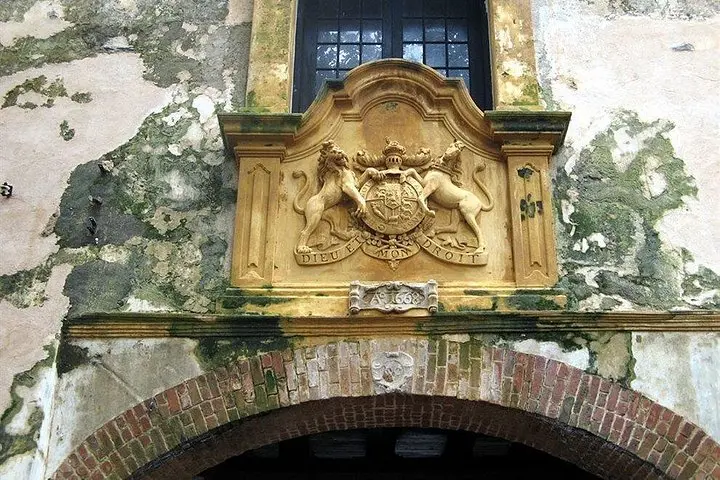
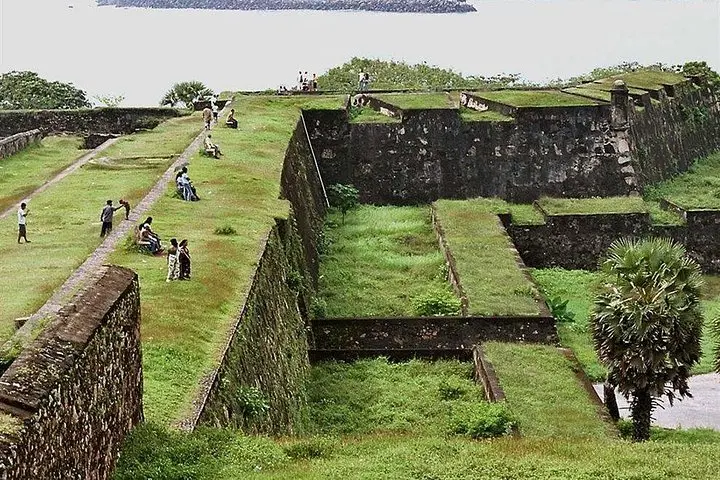
Galle Fort is a layered history. A Portuguese outpost became a fortified Dutch stronghold in the 17th century; VOC marks and dates still cut into the Old Gate stone. The brick-and-stone ramparts are coastal geology and human engineering—weathered laterite, coral rock and mortar holding a trading port that once connected spices, textiles and ideas across the Indian Ocean.
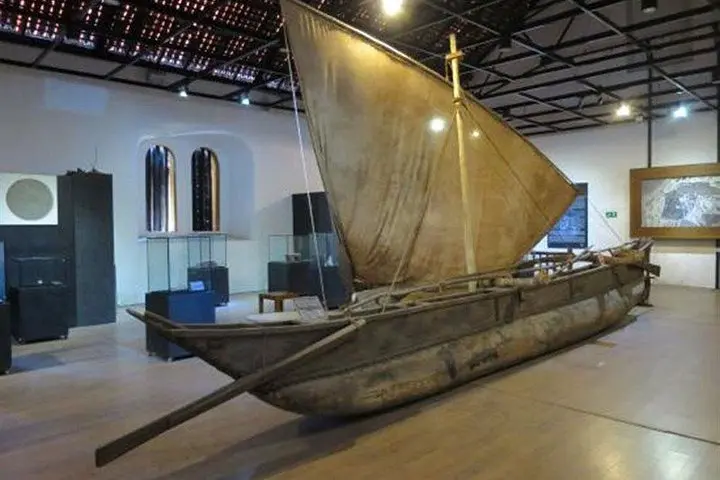
Culture in the fort is lived-in: churches, mosques, boutique galleries and the slow commerce of street food where papaya and chili powder tempt you between museums. Flag Rock, at the southern tip, offers a theatrical sunset and local swimmers leaping from the rocks.
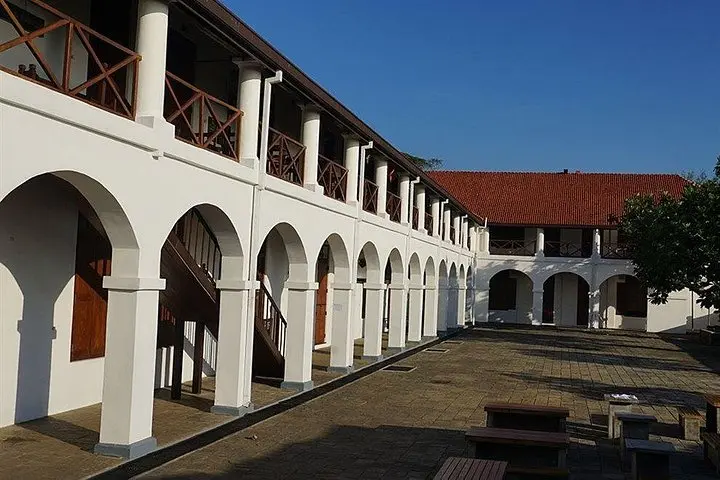
Practical guidance: the drive from Kandy is long (expect 4–6 hours each way by road), so plan for a full day; the tour’s private, air‑conditioned transport simplifies logistics. Wear supportive walking shoes for uneven cobbles and brief stair sections; carry at least 1–2 liters of water, sun protection and some local currency for small vendors. Morning light is best for photography and afternoon sea breezes make the ramparts comfortable; avoid the midday heat if you’re sensitive to sun. Admissions to individual museums may cost extra, so budget time for the Dutch Reformed Church and the restored colonial hospital courtyard. Respect conservation signs—many buildings are fragile—and consider a local guide to deepen historical context.
Frequently asked questions
Expect roughly 4–6 hours one way by road depending on traffic and stops; the full tour is a long day (6–15 hours).
The tour typically includes transport but not individual museum admissions—budget local currency for optional entries.
Yes—routes are generally easy, but cobbles and steps mean slower pacing; families and older visitors should allow extra time and bring supportive footwear.
Many itineraries schedule Flag Rock at the southern fort tip for late-afternoon viewing; confirm pick‑up/drop‑off timing with the operator.
About This Experience
Lux Tours Lanka operates guided outdoor trips and adventures with an emphasis on safety, stewardship, and memorable experiences.
Adventure tips
Recommended gear
- Sturdy walking shoes: Protects against uneven cobbles and occasional stair sections within the fort.
- Reusable water bottle (1–2L): Staying hydrated is important in the tropical heat, especially during a long day trip.
- Wide-brim sun hat and sunscreen: Provides sun protection during exposed stretches on ramparts and seaside areas.
- Light rain jacket or poncho: Useful during brief tropical showers, especially in the southwest monsoon months.
Photos of the experience
Related adventures & guides
Read the full experience
You step off the air‑conditioned car and the sea wind pushes a salt-bright ribbon through the fort’s narrow lanes—sunlight clings to peeling ochre walls, and gulls wheel over basalt ramparts. The walk here is deliberate: cobbled streets, low colonial thresholds and sudden views that open to the Indian Ocean.
You step off the air‑conditioned car and the sea wind pushes a salt-bright ribbon through the fort’s narrow lanes—sunlight clings to peeling ochre walls, and gulls wheel over basalt ramparts. The walk here is deliberate: cobbled streets, low colonial thresholds and sudden views that open to the Indian Ocean.
Galle Fort is a layered history. A Portuguese outpost became a fortified Dutch stronghold in the 17th century; VOC marks and dates still cut into the Old Gate stone. The brick-and-stone ramparts are coastal geology and human engineering—weathered laterite, coral rock and mortar holding a trading port that once connected spices, textiles and ideas across the Indian Ocean.
Culture in the fort is lived-in: churches, mosques, boutique galleries and the slow commerce of street food where papaya and chili powder tempt you between museums. Flag Rock, at the southern tip, offers a theatrical sunset and local swimmers leaping from the rocks.
Practical guidance: the drive from Kandy is long (expect 4–6 hours each way by road), so plan for a full day; the tour’s private, air‑conditioned transport simplifies logistics. Wear supportive walking shoes for uneven cobbles and brief stair sections; carry at least 1–2 liters of water, sun protection and some local currency for small vendors. Morning light is best for photography and afternoon sea breezes make the ramparts comfortable; avoid the midday heat if you’re sensitive to sun. Admissions to individual museums may cost extra, so budget time for the Dutch Reformed Church and the restored colonial hospital courtyard. Respect conservation signs—many buildings are fragile—and consider a local guide to deepen historical context.
Make a day of it nearby.
Verified experiences and guided adventures in the surrounding area.