THE ADVENTURE COLLECTIVE® · Independent discovery and booking for outdoor travel

Explore Galle’s 17th-century ramparts and lighthouse, then trade history for sand at Unawatuna Beach on a single-day tour from Colombo. This practical guide tells you what to expect, what to pack and how to make the most of the day.
Explore Galle’s 17th-century ramparts and lighthouse, then trade history for sand at Unawatuna Beach on a single-day tour from Colombo. This practical guide tells you what to expect, what to pack and how to make the most of the day.
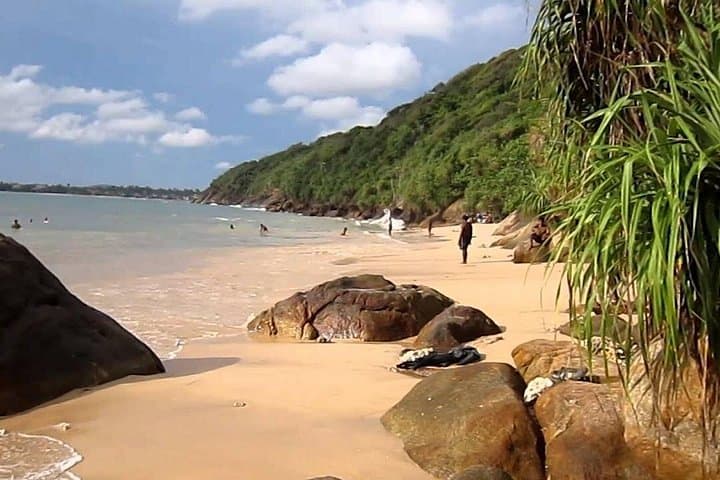
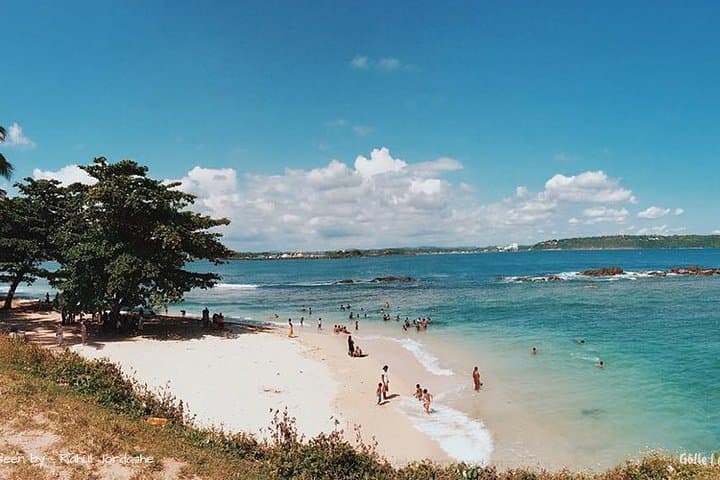
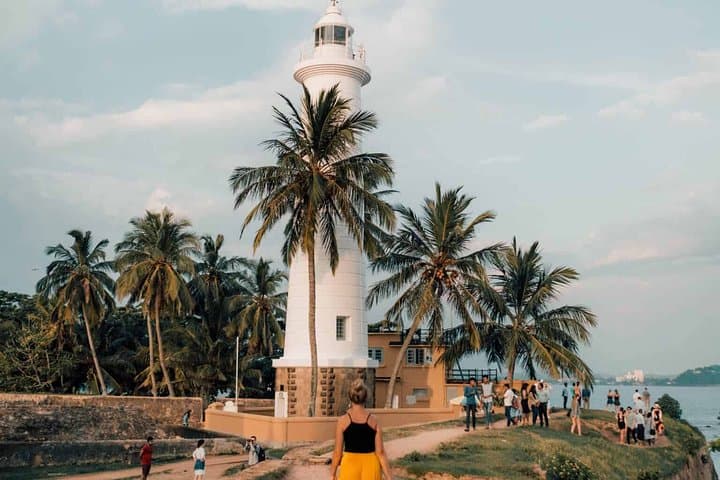
You step off the air-conditioned vehicle into a sunbaked square where colonial plaster and coral-stone walls hold their angles like old maps. The ramparts of Galle Fort rise from the sea breeze — weathered brick, cannons angled toward the Indian Ocean, and a lighthouse that punctuates the skyline. Later the sand of Unawatuna will take the heat from your feet and let the surf dare you into a blue-green swim.
Verified experiences and guided adventures in the surrounding area.
Operated by Sigiritrip Tours · Galle, Southern Province
You step off the air-conditioned vehicle into a sunbaked square where colonial plaster and coral-stone walls hold their angles like old maps. The ramparts of Galle Fort rise from the sea breeze — weathered brick, cannons angled toward the Indian Ocean, and a lighthouse that punctuates the skyline. Later the sand of Unawatuna will take the heat from your feet and let the surf dare you into a blue-green swim.
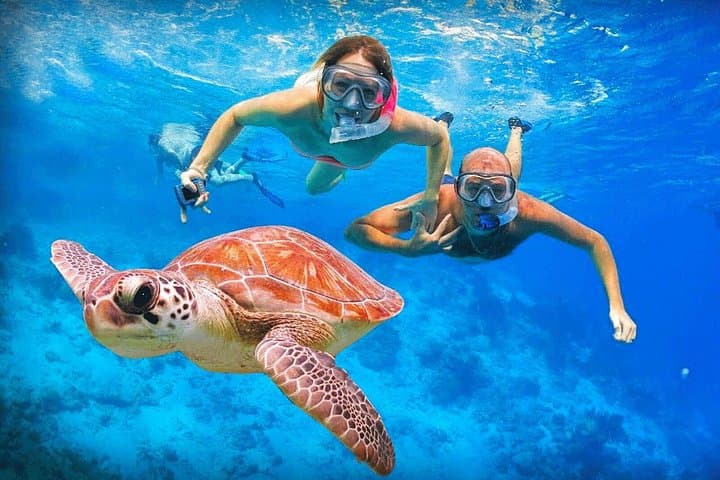
Galle is a layering of history: 17th-century Dutch fortifications built on earlier Portuguese and local trading posts, sited on Precambrian and reefal limestone that shaped the harbor. Culture here mixes Sinhala, Tamil and colonial legacies — you’ll find mosques, churches and old merchants’ houses converted into cafés. The coast’s coral shelves and offshore reefs support local fishermen and seasonal turtle activity.
Practical guide: the itinerary typically allows about 60 minutes for the fort, a short lighthouse stop, and roughly 180 minutes at Unawatuna for swimming — total trip time about 7–8 hours from Colombo. Terrain is flat but includes uneven cobbles, short stair sections and soft sand; elevation gain is negligible. Wear sturdy sandals or light sneakers for the fort and bring reef-safe sunscreen for swimming. Carry cash for small vendors; many places accept cards but small cafés may not. Expect hot, humid conditions; mornings are best for walking and afternoons for the beach. Respect signage on historical buildings and local dress norms when entering religious sites. Hydrate frequently and check sea conditions before swimming — currents can change with the tide.
easy.
7–8 hours.
Suitable for people in light to moderate physical shape; involves walking on uneven ground and short stair sections
The tour is typically 7–8 hours (420–480 minutes) including travel, time in Galle Fort and about three hours at Unawatuna Beach.
Swimming is generally safe in calm conditions, but currents vary; follow local guidance and swim at lifeguarded areas when available.
There is no standard entrance fee to walk the public ramparts, though specific museums or historic houses may charge small admission fees.
Most tours provide bottled water and can accommodate basic dietary requests if notified in advance; bring snacks if you have strict requirements.
Galle Fort was fortified by the Dutch in the 17th century atop earlier trading posts and is a UNESCO World Heritage Site for its colonial-era urban fabric.
Local groups run coral and turtle conservation efforts; use reef-safe sunscreen, avoid touching coral and dispose of waste responsibly to reduce impact.
Sigiritrip Tours operates guided outdoor trips and adventures with an emphasis on safety, stewardship, and memorable experiences.
You step off the air-conditioned vehicle into a sunbaked square where colonial plaster and coral-stone walls hold their angles like old maps. The ramparts of Galle Fort rise from the sea breeze — weathered brick, cannons angled toward the Indian Ocean, and a lighthouse that punctuates the skyline. Later the sand of Unawatuna will take the heat from your feet and let the surf dare you into a blue-green swim.
You step off the air-conditioned vehicle into a sunbaked square where colonial plaster and coral-stone walls hold their angles like old maps. The ramparts of Galle Fort rise from the sea breeze — weathered brick, cannons angled toward the Indian Ocean, and a lighthouse that punctuates the skyline. Later the sand of Unawatuna will take the heat from your feet and let the surf dare you into a blue-green swim.
Galle is a layering of history: 17th-century Dutch fortifications built on earlier Portuguese and local trading posts, sited on Precambrian and reefal limestone that shaped the harbor. Culture here mixes Sinhala, Tamil and colonial legacies — you’ll find mosques, churches and old merchants’ houses converted into cafés. The coast’s coral shelves and offshore reefs support local fishermen and seasonal turtle activity.
Practical guide: the itinerary typically allows about 60 minutes for the fort, a short lighthouse stop, and roughly 180 minutes at Unawatuna for swimming — total trip time about 7–8 hours from Colombo. Terrain is flat but includes uneven cobbles, short stair sections and soft sand; elevation gain is negligible. Wear sturdy sandals or light sneakers for the fort and bring reef-safe sunscreen for swimming. Carry cash for small vendors; many places accept cards but small cafés may not. Expect hot, humid conditions; mornings are best for walking and afternoons for the beach. Respect signage on historical buildings and local dress norms when entering religious sites. Hydrate frequently and check sea conditions before swimming — currents can change with the tide.