THE ADVENTURE COLLECTIVE® · Independent discovery and booking for outdoor travel

Walk the ramparts of Galle Dutch Fort, glide the mangrove channels of the Madu River and visit a turtle hatchery on a single, all-inclusive day trip. Expect coastal history, calm boat rides and close-up conservation work.
Walk the ramparts of Galle Dutch Fort, glide the mangrove channels of the Madu River and visit a turtle hatchery on a single, all-inclusive day trip. Expect coastal history, calm boat rides and close-up conservation work.
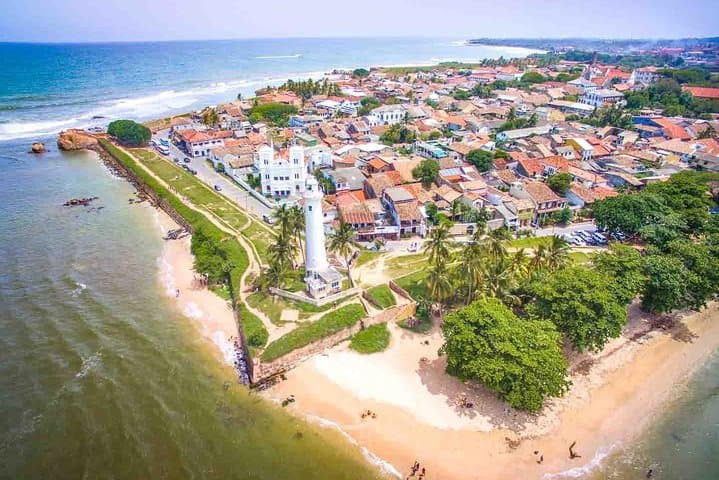
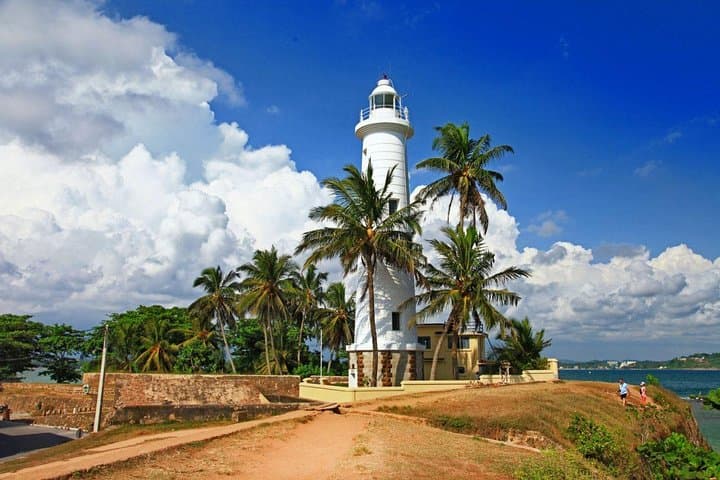
You step onto the ramparts and the Indian Ocean presses a cool, briny breath against your face—waves daring you to follow the coast. Cobbled streets open into a grid of colonial facades, shutters flung wide to sea breezes while fishing boats drift like slow punctuation beyond the rocks.
Verified experiences and guided adventures in the surrounding area.
Operated by Overa Tours · Galle, Southern Province
You step onto the ramparts and the Indian Ocean presses a cool, briny breath against your face—waves daring you to follow the coast. Cobbled streets open into a grid of colonial facades, shutters flung wide to sea breezes while fishing boats drift like slow punctuation beyond the rocks.
The day folds historic layers into living culture: a seventeenth-century Dutch fort built atop Portuguese foundations, later handed to the British, offers stone walls, bastions and narrow lanes that still host schools, cafes and maritime trade. Geologically the headland is a rocky promontory scarred by waves and coral growth; nearby the Madu River carves a different edge—mangrove roots gripping sediment, small islets bobbing like boats ashore.
Local life moves between ocean and estuary. Boatmen steer through mangrove channels where kingfishers and egrets dart; conservationists work at hatcheries along sandy shores to protect olive ridley and green turtles, relocating vulnerable clutches and releasing hatchlings after a short rearing.
Practical guide: this private, all-inclusive tour runs about seven hours with roughly 2 hours at Galle Fort, a 2–3 hour Madu River boat experience, and time at a turtle hatchery. Terrain is flat—paved streets, beach sand and calm boat decks—so wear supportive sandals or light trainers, bring reef-safe sunscreen, insect repellent and a light rain layer in monsoon season. Keep hydrated; carry small change for local snacks and tips. Respect religious sites by covering shoulders and knees; move slowly near nesting areas and follow guides’ instructions.
By design this day pairs cultural walking with gentle wildlife encounters—an accessible introduction to Sri Lanka’s southern coastline that balances history, nature and tangible conservation work.
easy.
6–7 hours.
Suitable for most fitness levels; requires short walks on flat, paved and sandy surfaces and getting on/off a small boat.
The private tour runs about seven hours and includes hotel pickup/drop-off in Galle, lunch, bottled water, entrance fees, a Madu River boat safari and turtle hatchery visit.
Turtle hatcheries increase hatching success and you may see hatchlings or juveniles; sightings on open beaches depend on season and nesting activity.
Yes—boats are calm and guided, but mobility-limited travelers should notify at booking; infants must sit on a lap per provider rules.
December–April offers drier, calmer weather on the south coast; monsoon months (May–September) can bring heavy rain and choppy seas.
Galle’s fort evolved from a 16th-century Portuguese outpost into a heavily fortified Dutch port and later a British administrative center; its walls reflect successive colonial layers of trade and defense.
Local hatcheries relocate vulnerable eggs and raise hatchlings to improve survival rates, while mangrove protection along the Madu River helps maintain nursery habitat for fish and birds.
Overa Tours operates guided outdoor trips and adventures with an emphasis on safety, stewardship, and memorable experiences.


You step onto the ramparts and the Indian Ocean presses a cool, briny breath against your face—waves daring you to follow the coast. Cobbled streets open into a grid of colonial facades, shutters flung wide to sea breezes while fishing boats drift like slow punctuation beyond the rocks.
You step onto the ramparts and the Indian Ocean presses a cool, briny breath against your face—waves daring you to follow the coast. Cobbled streets open into a grid of colonial facades, shutters flung wide to sea breezes while fishing boats drift like slow punctuation beyond the rocks.
The day folds historic layers into living culture: a seventeenth-century Dutch fort built atop Portuguese foundations, later handed to the British, offers stone walls, bastions and narrow lanes that still host schools, cafes and maritime trade. Geologically the headland is a rocky promontory scarred by waves and coral growth; nearby the Madu River carves a different edge—mangrove roots gripping sediment, small islets bobbing like boats ashore.
Local life moves between ocean and estuary. Boatmen steer through mangrove channels where kingfishers and egrets dart; conservationists work at hatcheries along sandy shores to protect olive ridley and green turtles, relocating vulnerable clutches and releasing hatchlings after a short rearing.
Practical guide: this private, all-inclusive tour runs about seven hours with roughly 2 hours at Galle Fort, a 2–3 hour Madu River boat experience, and time at a turtle hatchery. Terrain is flat—paved streets, beach sand and calm boat decks—so wear supportive sandals or light trainers, bring reef-safe sunscreen, insect repellent and a light rain layer in monsoon season. Keep hydrated; carry small change for local snacks and tips. Respect religious sites by covering shoulders and knees; move slowly near nesting areas and follow guides’ instructions.
By design this day pairs cultural walking with gentle wildlife encounters—an accessible introduction to Sri Lanka’s southern coastline that balances history, nature and tangible conservation work.