THE ADVENTURE COLLECTIVE® · Independent discovery and booking for outdoor travel

This full‑day private trip from Colombo covers Bentota Beach, the Kosgoda Turtle Conservation Project, a boat ride and fish therapy on the Madu River, the Tsunami Photo Museum, and the 17th‑century Galle Fort. Expect an 11–12 hour day with easy walking, wildlife encounters, and coastal history.
This full‑day private trip from Colombo covers Bentota Beach, the Kosgoda Turtle Conservation Project, a boat ride and fish therapy on the Madu River, the Tsunami Photo Museum, and the 17th‑century Galle Fort. Expect an 11–12 hour day with easy walking, wildlife encounters, and coastal history.
The day begins before dawn in Colombo: a private vehicle eases out of the city at 7:00 AM and the road drops toward the southwest coast, where palms and lagoon flats slide past the windows. By mid-morning you can feel the air open — the soft sand of Bentota underfoot, the hush of mangroves at the Madu River, and the low, thick walls of Galle Fort rising from a rocky headland.
Verified experiences and guided adventures in the surrounding area.
Operated by Ok Lanka Travel · Galle, Southern Province
The day begins before dawn in Colombo: a private vehicle eases out of the city at 7:00 AM and the road drops toward the southwest coast, where palms and lagoon flats slide past the windows. By mid-morning you can feel the air open — the soft sand of Bentota underfoot, the hush of mangroves at the Madu River, and the low, thick walls of Galle Fort rising from a rocky headland.
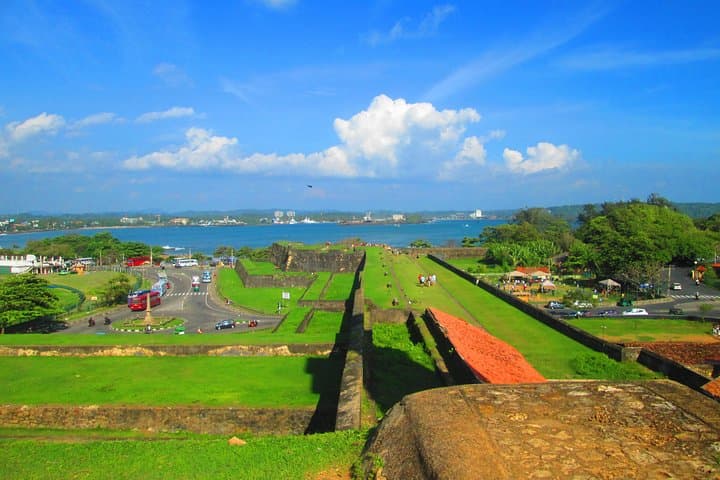
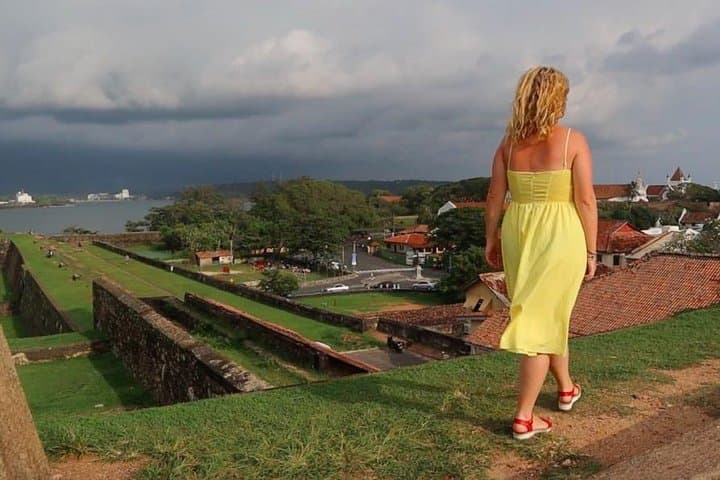
Galle’s layered history shows in stone and street: a fortified trading post reshaped by Portuguese, Dutch and British hands, its ramparts adapted to both cannon and commerce. Geologically the coastline alternates between sandy strandlines and exposed coastal rocks that caught ships for centuries; the Madu estuary is a living wetland fed by tidal exchange and rich in mangrove roots. Culturally, this corridor mixes Sinhala coastal villages, Muslim fishing communities and a long maritime trade legacy — signs of spice routes and colonial shipping appear in museums and place names.
On a typical full-day itinerary you’ll visit the Kosgoda Turtle Conservation Project, glide the Madu River (fish spa optional), pause at the Tsunami Photo Museum, and walk the Dutch Fort’s 17th‑century streets. Practicalities matter: the round trip is roughly 140 km each way from Colombo, the day runs about 11–12 hours, and you’ll be on your feet at several stops. Bring sun protection, modest clothing for cultural sites, local cash for small purchases, and a lightweight daypack.
Expect gentle walking, photo stops, short boat transfers, and clear opportunities to support local conservation initiatives — a day that pairs easy coastal travel with tangible wildlife encounters and living history.
easy.
11–12 hours.
Suitable for most fitness levels; involves short to moderate walks, short boat transfers and standing during visits.
The coastal drive is about 140 km and takes roughly 2–3 hours each way depending on traffic; total tour time is about 11–12 hours.
This private tour includes bottled water and lunch at a local restaurant; specific attraction admissions are typically included where noted in the itinerary—confirm at booking.
Yes—this is listed as suitable for all fitness levels; infants must sit on an adult’s lap and parents should plan for sun and heat protection.
Most visits to the Kosgoda project allow observation and, when timed with releases, supervised participation—follow staff guidance to minimize stress to animals.
Galle Fort began as a Portuguese outcrop, was rebuilt and expanded by the Dutch in the 17th century, and later adapted by the British—its walls reflect layered maritime commerce.
Kosgoda’s turtle project and Madu River ecotourism both rely on visitor support; follow guidelines, avoid single-use plastics, and choose licensed boat operators.
Ok Lanka Travel operates guided outdoor trips and adventures with an emphasis on safety, stewardship, and memorable experiences.
The day begins before dawn in Colombo: a private vehicle eases out of the city at 7:00 AM and the road drops toward the southwest coast, where palms and lagoon flats slide past the windows. By mid-morning you can feel the air open — the soft sand of Bentota underfoot, the hush of mangroves at the Madu River, and the low, thick walls of Galle Fort rising from a rocky headland.
The day begins before dawn in Colombo: a private vehicle eases out of the city at 7:00 AM and the road drops toward the southwest coast, where palms and lagoon flats slide past the windows. By mid-morning you can feel the air open — the soft sand of Bentota underfoot, the hush of mangroves at the Madu River, and the low, thick walls of Galle Fort rising from a rocky headland.
Galle’s layered history shows in stone and street: a fortified trading post reshaped by Portuguese, Dutch and British hands, its ramparts adapted to both cannon and commerce. Geologically the coastline alternates between sandy strandlines and exposed coastal rocks that caught ships for centuries; the Madu estuary is a living wetland fed by tidal exchange and rich in mangrove roots. Culturally, this corridor mixes Sinhala coastal villages, Muslim fishing communities and a long maritime trade legacy — signs of spice routes and colonial shipping appear in museums and place names.
On a typical full-day itinerary you’ll visit the Kosgoda Turtle Conservation Project, glide the Madu River (fish spa optional), pause at the Tsunami Photo Museum, and walk the Dutch Fort’s 17th‑century streets. Practicalities matter: the round trip is roughly 140 km each way from Colombo, the day runs about 11–12 hours, and you’ll be on your feet at several stops. Bring sun protection, modest clothing for cultural sites, local cash for small purchases, and a lightweight daypack.
Expect gentle walking, photo stops, short boat transfers, and clear opportunities to support local conservation initiatives — a day that pairs easy coastal travel with tangible wildlife encounters and living history.