THE ADVENTURE COLLECTIVE® · Independent discovery and booking for outdoor travel

An eight-hour private day tour that stitches Galle Fort’s colonial streets to Hikkaduwa’s coral flats and the mangrove channels of Madu Ganga. Expect easy walking, coastal boat time, and a close-up look at turtle and reef habitats.
An eight-hour private day tour that stitches Galle Fort’s colonial streets to Hikkaduwa’s coral flats and the mangrove channels of Madu Ganga. Expect easy walking, coastal boat time, and a close-up look at turtle and reef habitats.
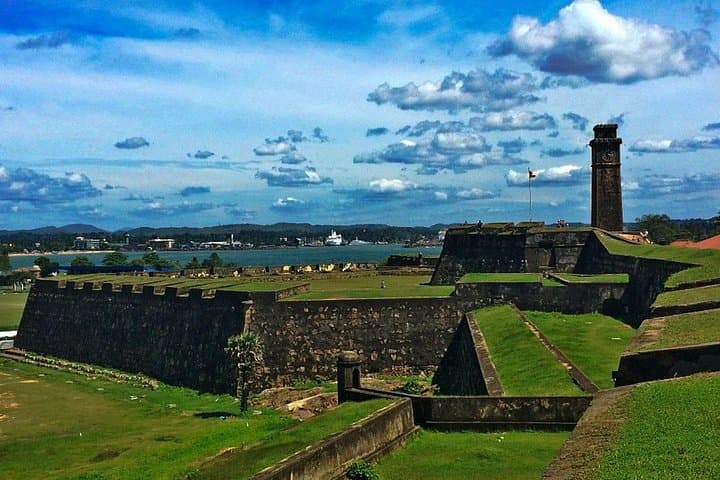
You step off the air-conditioned vehicle onto warm stone, the ocean’s salt and diesel in the same breath; gulls wheel above the low ramparts while vendors set out spices and woven hats. The Fort’s gun-muzzle silhouettes chart a coastline that has seen Portuguese, Dutch and British sails pass for centuries. A day here moves at sea-time—languid boat channels, reef flats glittering at low tide, and the sudden hush of a mangrove-lined river.
Verified experiences and guided adventures in the surrounding area.
Operated by Sri Lanka Travel Club · Galle, Southern Province
You step off the air-conditioned vehicle onto warm stone, the ocean’s salt and diesel in the same breath; gulls wheel above the low ramparts while vendors set out spices and woven hats. The Fort’s gun-muzzle silhouettes chart a coastline that has seen Portuguese, Dutch and British sails pass for centuries. A day here moves at sea-time—languid boat channels, reef flats glittering at low tide, and the sudden hush of a mangrove-lined river.
Galle’s bay is shaped by layered coral limestone and the slow push of the Indian Ocean. The Dutch fortified the town in the 1600s, leaving a grid of colonial streets, while the nearby Madu Ganga estuary carved a mosaic of islets and mangrove roots that support rich birdlife. Hikkaduwa’s reef lies a short drive along the coast; its shallow coral sanctuary is home to reef fish and foraging turtles that reveal the area’s marine biodiversity.
Practically speaking, this is an eight-hour, private day tour—sightseeing, short walks on cobbled surfaces, and a low-speed boat through mangroves. Expect light walking, a few steps up to viewpoints, and time on sandy shorelines. Bring reef-safe sunscreen, comfortable walking shoes or sturdy sandals, a hat, and a refillable bottle. Midday can be hot; schedule beach or boat time for morning or late afternoon when light and sea conditions are best.
Local guides can arrange short snorkel stops, river channels through Madu Ganga, and a walking loop inside Galle Fort. Carry small bills for entrance donations, sample local seafood at a seaside stall, and be mindful—coral and turtle habitats are fragile: look, photograph, don’t touch.
easy.
8 hours.
Suitable for travelers in regular, everyday fitness—short walks, some steps; not strenuous
Yes; the itinerary is low-impact with short walks and boat time. Operators note it’s suitable for all fitness levels, but mention mobility limitations when booking for assistance.
You can usually rent snorkel gear locally or request it when booking; bring your own mask if you prefer a personalized fit.
Driving from Colombo typically takes 2–2.5 hours each way, depending on traffic; this tour is structured as a full-day outing to accommodate travel time.
This operator lists bottled water and private transport as inclusions; meals are generally not included—expect stops at local cafés or seafood stalls where you can purchase food.
Galle Fort was originally built by the Portuguese in the late 16th century and extensively fortified by the Dutch in the 17th century, creating the colonial streets and ramparts still visible today.
The area’s coral reefs and sea turtle populations are vulnerable; visitors should avoid touching reefs or turtles, use reef-safe products, and support local conservation initiatives when possible.
Sri Lanka Travel Club operates guided outdoor trips and adventures with an emphasis on safety, stewardship, and memorable experiences.

You step off the air-conditioned vehicle onto warm stone, the ocean’s salt and diesel in the same breath; gulls wheel above the low ramparts while vendors set out spices and woven hats. The Fort’s gun-muzzle silhouettes chart a coastline that has seen Portuguese, Dutch and British sails pass for centuries. A day here moves at sea-time—languid boat channels, reef flats glittering at low tide, and the sudden hush of a mangrove-lined river.
You step off the air-conditioned vehicle onto warm stone, the ocean’s salt and diesel in the same breath; gulls wheel above the low ramparts while vendors set out spices and woven hats. The Fort’s gun-muzzle silhouettes chart a coastline that has seen Portuguese, Dutch and British sails pass for centuries. A day here moves at sea-time—languid boat channels, reef flats glittering at low tide, and the sudden hush of a mangrove-lined river.
Galle’s bay is shaped by layered coral limestone and the slow push of the Indian Ocean. The Dutch fortified the town in the 1600s, leaving a grid of colonial streets, while the nearby Madu Ganga estuary carved a mosaic of islets and mangrove roots that support rich birdlife. Hikkaduwa’s reef lies a short drive along the coast; its shallow coral sanctuary is home to reef fish and foraging turtles that reveal the area’s marine biodiversity.
Practically speaking, this is an eight-hour, private day tour—sightseeing, short walks on cobbled surfaces, and a low-speed boat through mangroves. Expect light walking, a few steps up to viewpoints, and time on sandy shorelines. Bring reef-safe sunscreen, comfortable walking shoes or sturdy sandals, a hat, and a refillable bottle. Midday can be hot; schedule beach or boat time for morning or late afternoon when light and sea conditions are best.
Local guides can arrange short snorkel stops, river channels through Madu Ganga, and a walking loop inside Galle Fort. Carry small bills for entrance donations, sample local seafood at a seaside stall, and be mindful—coral and turtle habitats are fragile: look, photograph, don’t touch.