THE ADVENTURE COLLECTIVE® · Independent discovery and booking for outdoor travel

A full‑day loop from Colombo that pairs the UNESCO‑listed Galle Fort with a mangrove boat ride on the Madu River and a Kosgoda sea turtle conservation visit. Expect coastal history, short forest hikes and a hands‑on look at local conservation efforts.
A full‑day loop from Colombo that pairs the UNESCO‑listed Galle Fort with a mangrove boat ride on the Madu River and a Kosgoda sea turtle conservation visit. Expect coastal history, short forest hikes and a hands‑on look at local conservation efforts.
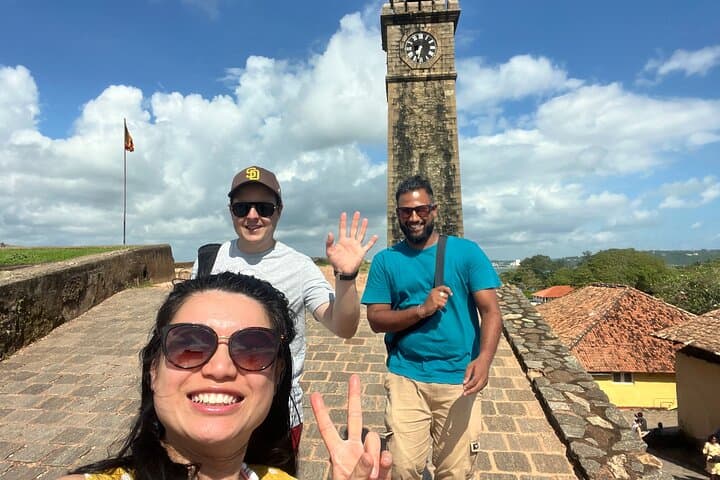
You start before dawn in an air‑conditioned van, Colombo receding as the highway slices through paddy plains and the smell of the sea edges closer. By midmorning the white ramparts of Galle Fort appear on a rocky promontory, waves nudging the colonial bastions that still hold lanterns and shuttered Dutch windows. Walking its ramparts, the ocean dares you to pause; gulls cut lines across a cobalt sky while narrow streets lead to a lighthouse and low cafes.
Verified experiences and guided adventures in the surrounding area.
Operated by Genuine Srilankans · Galle, Southern Province
You start before dawn in an air‑conditioned van, Colombo receding as the highway slices through paddy plains and the smell of the sea edges closer. By midmorning the white ramparts of Galle Fort appear on a rocky promontory, waves nudging the colonial bastions that still hold lanterns and shuttered Dutch windows. Walking its ramparts, the ocean dares you to pause; gulls cut lines across a cobalt sky while narrow streets lead to a lighthouse and low cafes.
Galle’s stonework traces Portuguese beginnings and heavy Dutch remaking in the 17th century — a compact archive of European trade-era architecture against a Sri Lankan shoreline. South of the fort the landscape eases into mangroves: the Madu River, a Ramsar‑listed wetland, where boat rides slip between cinnamon islets and water birds watch the boatmen’s oars. At Kosgoda the soft sand and low dunes are a staging ground for sea turtle conservation; local hatcheries and volunteers protect nesting sites and rehabilitate hatchlings before release.
Practicalities: bring breathable layers, good walking shoes for uneven cobbles, and insect repellent for mangrove sections. Expect 6–10 hours of travel and walking; plan sunscreen, cash for small donations or entry fees, and a camera with a polarizer for glare on the water. The route is accessible for most fitness levels but includes short forest walks (Jungle Beach) and boat transfers that require steady footing.
This is a half‑day to full‑day blend of history, coastal ecology and hands‑on conservation — geared for travelers who want culture with a tangible nature component.
easy.
6–10 hours.
Suitable for most travelers with basic mobility; involves several short walks and steady boarding on a small boat.
Most departures include pickup from Colombo hotels—confirm your exact pickup point when booking and provide flight or arrival details if applicable.
Typical bookings cover transport and a driver‑guide; small local fees, boat fares on the Madu River or donations to the turtle hatchery may be extra—bring cash.
Yes—Kosgoda hosts a community turtle conservation project and hatchery; sightings of hatchlings and released juveniles are common, but wild sightings depend on season and nesting activity.
Yes—it's family‑friendly and described as physically easy, but the tour is not recommended for those with serious back, heart, or pregnancy complications due to vehicle time and short boat transfers.
Galle Fort began as a Portuguese trading outpost in the 16th century and was extensively rebuilt and fortified by the Dutch in the 17th century, leaving a compact colonial townscape.
Madu River is a Ramsar‑recognized wetland with sensitive mangrove habitats; Kosgoda’s community turtle programs reduce egg poaching and improve hatchling survival through local management.
Genuine Srilankans operates guided outdoor trips and adventures with an emphasis on safety, stewardship, and memorable experiences.
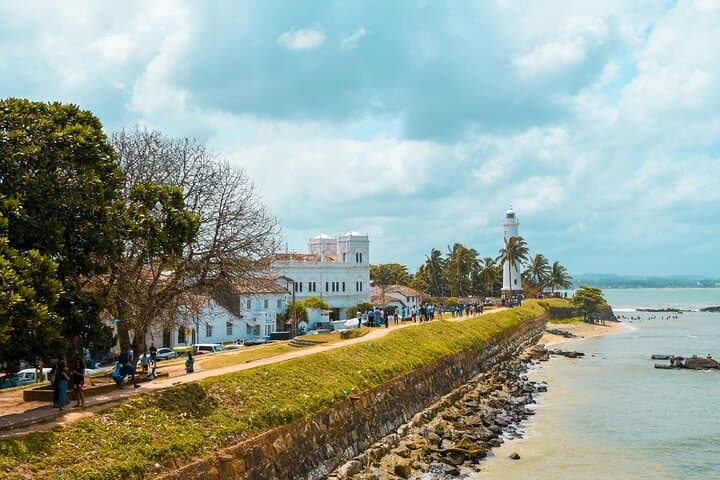
You start before dawn in an air‑conditioned van, Colombo receding as the highway slices through paddy plains and the smell of the sea edges closer. By midmorning the white ramparts of Galle Fort appear on a rocky promontory, waves nudging the colonial bastions that still hold lanterns and shuttered Dutch windows. Walking its ramparts, the ocean dares you to pause; gulls cut lines across a cobalt sky while narrow streets lead to a lighthouse and low cafes.
You start before dawn in an air‑conditioned van, Colombo receding as the highway slices through paddy plains and the smell of the sea edges closer. By midmorning the white ramparts of Galle Fort appear on a rocky promontory, waves nudging the colonial bastions that still hold lanterns and shuttered Dutch windows. Walking its ramparts, the ocean dares you to pause; gulls cut lines across a cobalt sky while narrow streets lead to a lighthouse and low cafes.
Galle’s stonework traces Portuguese beginnings and heavy Dutch remaking in the 17th century — a compact archive of European trade-era architecture against a Sri Lankan shoreline. South of the fort the landscape eases into mangroves: the Madu River, a Ramsar‑listed wetland, where boat rides slip between cinnamon islets and water birds watch the boatmen’s oars. At Kosgoda the soft sand and low dunes are a staging ground for sea turtle conservation; local hatcheries and volunteers protect nesting sites and rehabilitate hatchlings before release.
Practicalities: bring breathable layers, good walking shoes for uneven cobbles, and insect repellent for mangrove sections. Expect 6–10 hours of travel and walking; plan sunscreen, cash for small donations or entry fees, and a camera with a polarizer for glare on the water. The route is accessible for most fitness levels but includes short forest walks (Jungle Beach) and boat transfers that require steady footing.
This is a half‑day to full‑day blend of history, coastal ecology and hands‑on conservation — geared for travelers who want culture with a tangible nature component.