THE ADVENTURE COLLECTIVE® · Independent discovery and booking for outdoor travel

Spend a day moving from the colonial streets of Galle Dutch Fort to the mangrove islets of the Madu River and a turtle rehabilitation center in Balapitiya. This private, 8‑hour tour pairs history, wildlife and hands‑on conservation viewing with hotel pickup from Kalutara or Wadduwa.
Spend a day moving from the colonial streets of Galle Dutch Fort to the mangrove islets of the Madu River and a turtle rehabilitation center in Balapitiya. This private, 8‑hour tour pairs history, wildlife and hands‑on conservation viewing with hotel pickup from Kalutara or Wadduwa.
You step off the air‑conditioned vehicle onto sun‑warmed ramparts: Galle Dutch Fort’s stone streets open like a compact coastal town, gulls arguing above and the Indian Ocean pressing at the walls. The day stretches across history and mangrove waterways — from colonial masonry to slow-moving river boats — with the salt air carrying wood smoke and frying spices from nearby markets.
Verified experiences and guided adventures in the surrounding area.
Operated by Overa Tours · Galle, Southern Province
You step off the air‑conditioned vehicle onto sun‑warmed ramparts: Galle Dutch Fort’s stone streets open like a compact coastal town, gulls arguing above and the Indian Ocean pressing at the walls. The day stretches across history and mangrove waterways — from colonial masonry to slow-moving river boats — with the salt air carrying wood smoke and frying spices from nearby markets.
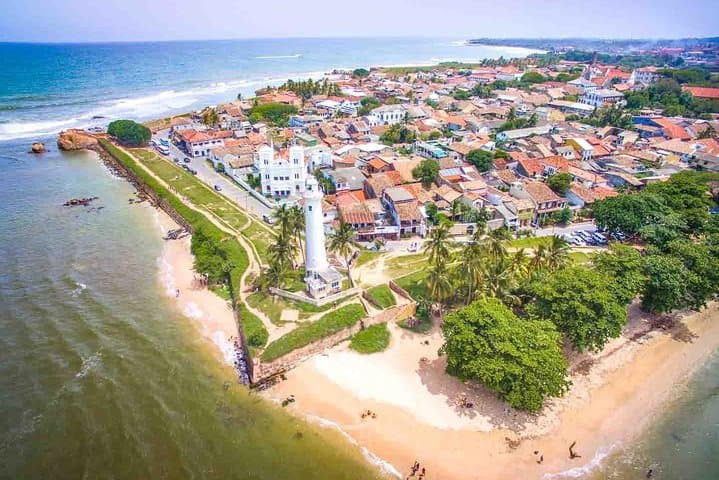
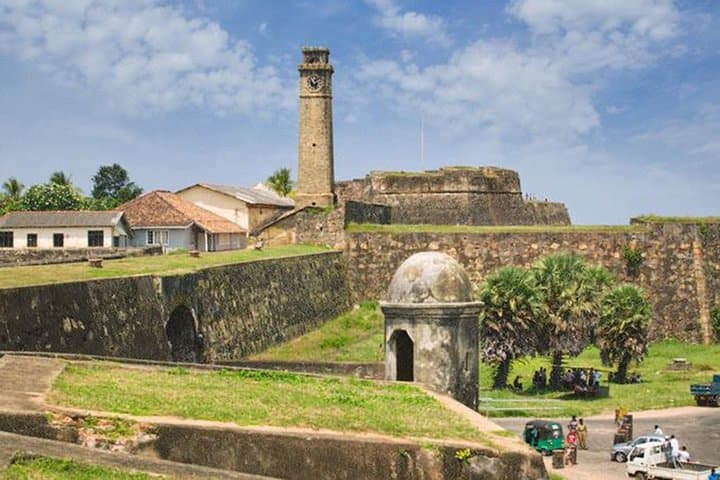
Galle’s fort, built and expanded by the Portuguese and then the Dutch in the 17th century, sits on ancient coastal rock where currents shaped natural harbors and trade routes. Southward, the Madu River in Balapitiya winds through mangrove islets — a biologically rich tidal system where kingfishers flash and mud crabs patrol roots. Local communities run small canoe operations and turtle rehabilitation centers along the coast where endangered sea turtles nest on the sandy beaches seasonally.
Practical details shape the rhythm: expect an eight‑hour private tour with hotel pickup from Kalutara or Wadduwa, an English‑speaking driver, and a scenic Madu River boat ride (approx. US$17 per boat, up to six people). Entrance to the turtle hatchery is a small fee (about US$2). Wear sturdy walking shoes for cobbled streets, bring sun protection and a reusable bottle; photography is straightforward but be mindful of nesting areas and hatchery rules.
This itinerary blends easy walking, short boat segments and a hands‑on look at conservation in action — a compact coastal loop that pairs cultural architecture with quiet, wildlife‑rich waterways.
easy.
8 hours.
Suitable for most fitness levels; involves light walking and short boat rides
The scenic boat segment typically lasts about 45–60 minutes depending on stops and tide conditions; the quoted rate is approximately US$17 per boat for up to six people.
General tour inclusions list hotel pickup, AC vehicle and bottled water; small local fees like the turtle hatchery (≈US$2) and optional river boat charge are usually paid on site.
Yes — the tour offers hotel pick up and drop off to most centrally located hotels in Kalutara and Wadduwa; be ready in the lobby 15 minutes before pickup time.
The tour is family‑friendly but infants must sit on an adult’s lap; note the tour isn’t recommended for pregnant travelers or those with serious back problems.
Galle’s Dutch Fort was substantially rebuilt by the Dutch East India Company in the 17th century on preexisting Portuguese foundations and functioned as a major colonial trading hub.
Turtle hatcheries and local NGOs run conservation programs to protect nests and boost hatching rates; visitors should follow staff guidance to minimize disturbance.
Overa Tours operates guided outdoor trips and adventures with an emphasis on safety, stewardship, and memorable experiences.
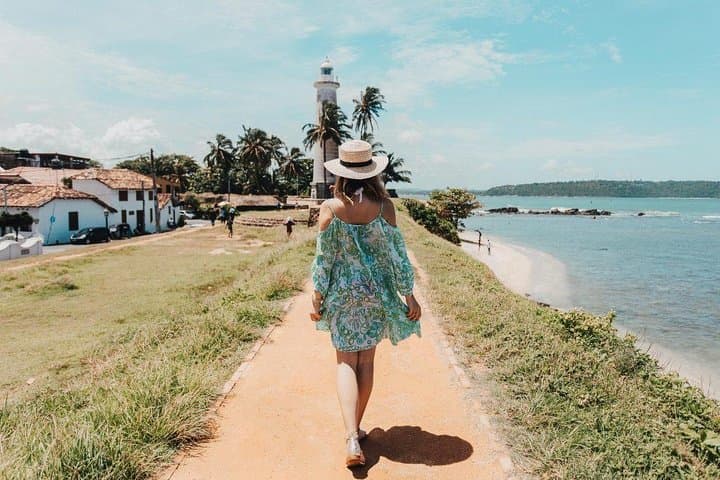
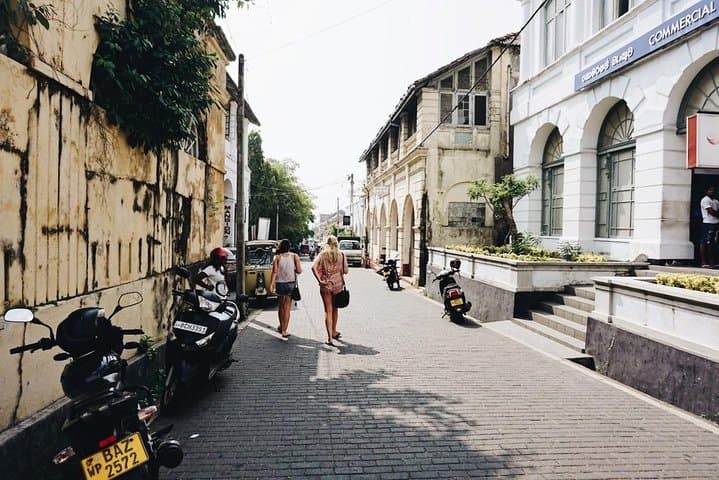
You step off the air‑conditioned vehicle onto sun‑warmed ramparts: Galle Dutch Fort’s stone streets open like a compact coastal town, gulls arguing above and the Indian Ocean pressing at the walls. The day stretches across history and mangrove waterways — from colonial masonry to slow-moving river boats — with the salt air carrying wood smoke and frying spices from nearby markets.
You step off the air‑conditioned vehicle onto sun‑warmed ramparts: Galle Dutch Fort’s stone streets open like a compact coastal town, gulls arguing above and the Indian Ocean pressing at the walls. The day stretches across history and mangrove waterways — from colonial masonry to slow-moving river boats — with the salt air carrying wood smoke and frying spices from nearby markets.
Galle’s fort, built and expanded by the Portuguese and then the Dutch in the 17th century, sits on ancient coastal rock where currents shaped natural harbors and trade routes. Southward, the Madu River in Balapitiya winds through mangrove islets — a biologically rich tidal system where kingfishers flash and mud crabs patrol roots. Local communities run small canoe operations and turtle rehabilitation centers along the coast where endangered sea turtles nest on the sandy beaches seasonally.
Practical details shape the rhythm: expect an eight‑hour private tour with hotel pickup from Kalutara or Wadduwa, an English‑speaking driver, and a scenic Madu River boat ride (approx. US$17 per boat, up to six people). Entrance to the turtle hatchery is a small fee (about US$2). Wear sturdy walking shoes for cobbled streets, bring sun protection and a reusable bottle; photography is straightforward but be mindful of nesting areas and hatchery rules.
This itinerary blends easy walking, short boat segments and a hands‑on look at conservation in action — a compact coastal loop that pairs cultural architecture with quiet, wildlife‑rich waterways.