
Galapagos Santa Cruz Explorer: 4-Day Wildlife, Lava Tunnels & Snorkel Adventure
Spend four days on Santa Cruz exploring Charles Darwin Station, snorkeling crystalline crevices, walking Tortuga Bay, and watching giant tortoises at Rancho Primicias. This compact Galapagos loop balances accessible hikes and boat excursions with real conservation insight.
An Adventure In Puerto Ayora.
Spend four days on Santa Cruz exploring Charles Darwin Station, snorkeling crystalline crevices, walking Tortuga Bay, and watching giant tortoises at Rancho Primicias. This compact Galapagos loop balances accessible hikes and boat excursions with real conservation insight.
Read the full experience
You step off the small ferry into a breeze that smells of salt and sunbaked rock; frigatebirds wheel overhead and a marine iguana basks on a black lava outcrop as if expecting you. Puerto Ayora hums with a slow, purposeful energy: guides loading coolers, fishermen mending nets, and tourists trading binoculars for reef boots. This four-day loop through central Santa Cruz moves fast enough to reveal the archipelago’s contradictions — raw volcanic geology rubbing shoulders with tender conservation work — but measured so you can actually notice the details.
You step off the small ferry into a breeze that smells of salt and sunbaked rock; frigatebirds wheel overhead and a marine iguana basks on a black lava outcrop as if expecting you. Puerto Ayora hums with a slow, purposeful energy: guides loading coolers, fishermen mending nets, and tourists trading binoculars for reef boots. This four-day loop through central Santa Cruz moves fast enough to reveal the archipelago’s contradictions — raw volcanic geology rubbing shoulders with tender conservation work — but measured so you can actually notice the details.
Santa Cruz sits in the center of the Galapagos chain and acts like a field station for island life. Charles Darwin’s legacy is literal here: the research station on day one is less museum than living lab, where giant tortoise breeding programs and explanatory displays frame the human role in this unusual ecosystem. Geologically, Santa Cruz is a composite of shield volcano flows; the lava tubes and jagged cracks you’ll peer into are recent enough to feel fresh but old enough to support scrubby forests of cacti and scale-leaf plants.
Culturally, Puerto Ayora balances conservation and community. Local guides are often born on the islands or long-term residents; they read tide charts and bird habits like city folk read maps. Meals during the tour are local and filling — fresh fish, plantains, rice — and the trip includes contributions that support community projects.
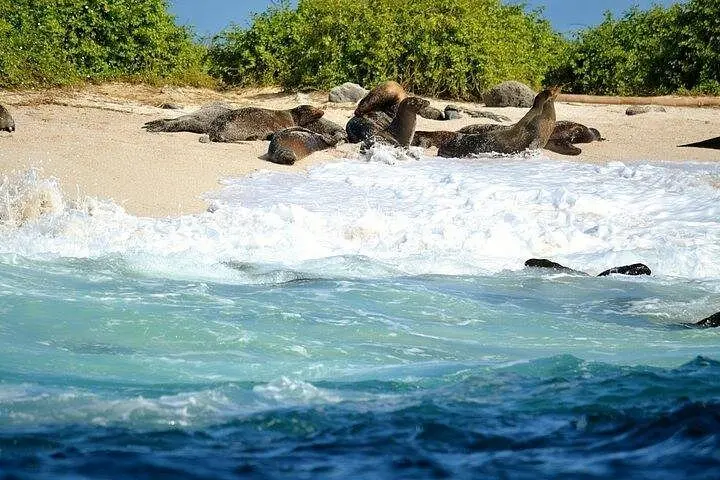
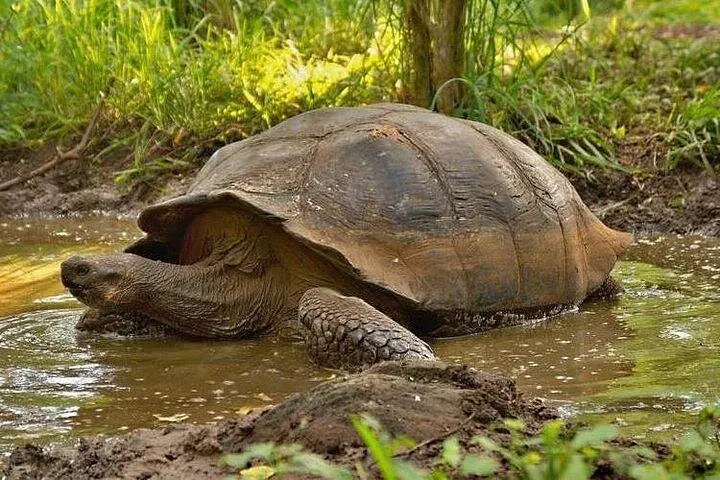
Practically, the itinerary is tightly organized. Day one: arrival via Baltra, bus across the Itabaca Channel and a visit to the Charles Darwin Research Station. Day two: a coastal walk to Tortuga Bay, where mangroves and white sand frame marine iguanas, then an upper-island drive to Rancho Primicias to see land tortoises and the lava tunnels and Twin Craters for a short hike through volcanic terrain. Day three: Bahia tour by boat — snorkeling in clear crevices, watching blue-footed boobies and, conditions permitting, spotting sharks from a viewpoint. Day four: return to Baltra for departure.
Expect easy to moderate activity: cobbled trails, 30–90 minute hikes, and short boat transfers. Sun is fierce and water deceptively cool; bring reef-safe sunscreen and a swim that’s more snorkeling than long-distance laps. The package includes accommodations, many meals, shared land-and-sea transport, and guide services — note the mandatory Lobito fee at Baltra on arrival and departure.
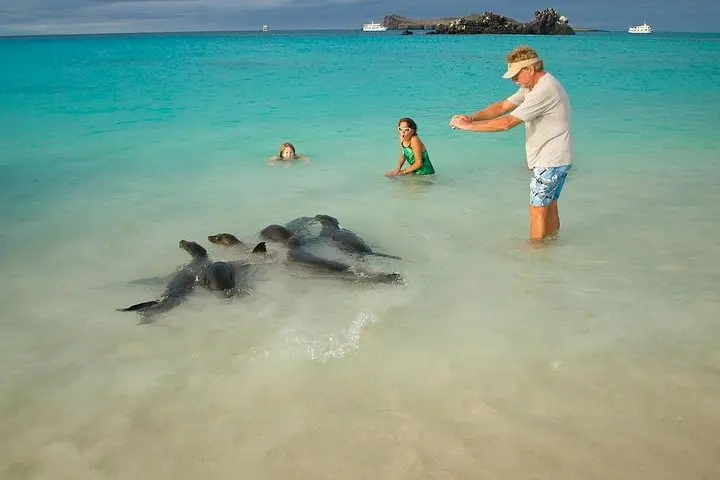
Tips: go early to Tortuga Bay to avoid crowds, carry a dry bag for electronics on boat days, and practice slow, quiet observation near wildlife — it keeps animals curious instead of alarmed. This is an efficient Galapagos primer: wild, teachable, and carefully managed so the islands keep daring you back for another visit.
Frequently asked questions
No — snorkeling sites use shallow, calm areas; basic swimming skills are recommended and guides stay nearby in support boats.
No — the $5 Lobito fee at Baltra must be paid on arrival and departure; the guide will instruct you when to pay.
Yes — breakfasts, several lunches and dinners are included as detailed in the itinerary.
You will see them at Rancho Primicias in a semi-wild reserve and potentially in highland pastures where they roam freely.
Shared tours are capped at 15 travelers to keep boat and land logistics manageable.
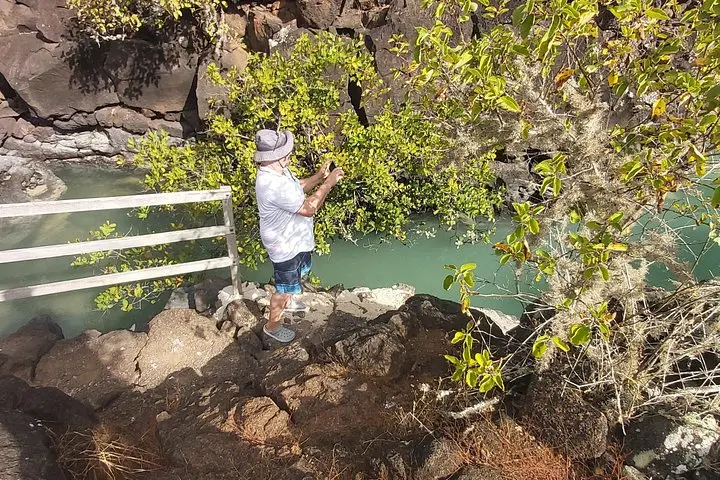
They involve short walks through uneven rock and low passages; sturdy shoes and caution are advised but no technical climbing is required.
About This Experience
BM TOURS SA operates guided outdoor trips and adventures with an emphasis on safety, stewardship, and memorable experiences.
Adventure tips
Recommended gear
- Reef-safe sunscreen: Protects your skin and the marine environment during snorkeling and beach days.
- Water shoes: Grip for lava rock and protection for rocky beach entries and exits.
- Light daypack with dry bag: Keeps layers, camera, and electronics safe during boat transfers and beach stops.
- Polarized sunglasses & wide-brim hat: Reduces glare for wildlife viewing and protects you from intense sun exposure.
Photos of the experience
Related adventures & guides
Read the full experience
You step off the small ferry into a breeze that smells of salt and sunbaked rock; frigatebirds wheel overhead and a marine iguana basks on a black lava outcrop as if expecting you. Puerto Ayora hums with a slow, purposeful energy: guides loading coolers, fishermen mending nets, and tourists trading binoculars for reef boots. This four-day loop through central Santa Cruz moves fast enough to reveal the archipelago’s contradictions — raw volcanic geology rubbing shoulders with tender conservation work — but measured so you can actually notice the details.
You step off the small ferry into a breeze that smells of salt and sunbaked rock; frigatebirds wheel overhead and a marine iguana basks on a black lava outcrop as if expecting you. Puerto Ayora hums with a slow, purposeful energy: guides loading coolers, fishermen mending nets, and tourists trading binoculars for reef boots. This four-day loop through central Santa Cruz moves fast enough to reveal the archipelago’s contradictions — raw volcanic geology rubbing shoulders with tender conservation work — but measured so you can actually notice the details.
Santa Cruz sits in the center of the Galapagos chain and acts like a field station for island life. Charles Darwin’s legacy is literal here: the research station on day one is less museum than living lab, where giant tortoise breeding programs and explanatory displays frame the human role in this unusual ecosystem. Geologically, Santa Cruz is a composite of shield volcano flows; the lava tubes and jagged cracks you’ll peer into are recent enough to feel fresh but old enough to support scrubby forests of cacti and scale-leaf plants.
Culturally, Puerto Ayora balances conservation and community. Local guides are often born on the islands or long-term residents; they read tide charts and bird habits like city folk read maps. Meals during the tour are local and filling — fresh fish, plantains, rice — and the trip includes contributions that support community projects.
Practically, the itinerary is tightly organized. Day one: arrival via Baltra, bus across the Itabaca Channel and a visit to the Charles Darwin Research Station. Day two: a coastal walk to Tortuga Bay, where mangroves and white sand frame marine iguanas, then an upper-island drive to Rancho Primicias to see land tortoises and the lava tunnels and Twin Craters for a short hike through volcanic terrain. Day three: Bahia tour by boat — snorkeling in clear crevices, watching blue-footed boobies and, conditions permitting, spotting sharks from a viewpoint. Day four: return to Baltra for departure.
Expect easy to moderate activity: cobbled trails, 30–90 minute hikes, and short boat transfers. Sun is fierce and water deceptively cool; bring reef-safe sunscreen and a swim that’s more snorkeling than long-distance laps. The package includes accommodations, many meals, shared land-and-sea transport, and guide services — note the mandatory Lobito fee at Baltra on arrival and departure.
Tips: go early to Tortuga Bay to avoid crowds, carry a dry bag for electronics on boat days, and practice slow, quiet observation near wildlife — it keeps animals curious instead of alarmed. This is an efficient Galapagos primer: wild, teachable, and carefully managed so the islands keep daring you back for another visit.
Make a day of it nearby.
Verified experiences and guided adventures in the surrounding area.