THE ADVENTURE COLLECTIVE® · Independent discovery and booking for outdoor travel

Seven days of guided island landings, snorkeling and guided hikes from Puerto Ayora—this package pairs close wildlife encounters (tortoises, boobies, sea lions) with comfortable base accommodations and daily boat transfers. Read on for what to expect, how to prepare, and on-the-ground tips for a Galapagos week.
Seven days of guided island landings, snorkeling and guided hikes from Puerto Ayora—this package pairs close wildlife encounters (tortoises, boobies, sea lions) with comfortable base accommodations and daily boat transfers. Read on for what to expect, how to prepare, and on-the-ground tips for a Galapagos week.
A salty wind lifts off turquoise water as your boat slides between black volcanic shoulders and white sand. On day one you step into a landscape where giant tortoises cross dusty ranch roads with the deliberate patience of old guards, and blue-footed boobies puncture the sky like punctuation marks. The islands move with their own rhythm: surf, scrub, cactus forest and reef.
Verified experiences and guided adventures in the surrounding area.
Operated by Galapagos and Beyond LLC · Puerto Ayora, Galápagos
A salty wind lifts off turquoise water as your boat slides between black volcanic shoulders and white sand. On day one you step into a landscape where giant tortoises cross dusty ranch roads with the deliberate patience of old guards, and blue-footed boobies puncture the sky like punctuation marks. The islands move with their own rhythm: surf, scrub, cactus forest and reef.
Geology here is recent and raw—basalt flows and uplifted lava benches shape coves and beaches that host species found nowhere else. Charles Darwin’s visit in 1835 put these islands on the map of scientific history; later human activity—whaling, settlement and ranching—left quieter cultural traces visible in Puerto Ayora’s harbor and highland fincas.
Expect daily small-boat runs between landings, guided coastal walks, and snorkeling in clear currents where sea lions and reef sharks weave through coral bommies. Guides emphasize biosecurity and close observation—animals approach on their terms, not yours. The itinerary balances relaxed mornings with active afternoons: 30–90 minute hikes over uneven volcanic trails, shallow reef swims and short zodiac transfers.
Practical edge: bring reef-safe sunscreen, a snug snorkel mask, quick-dry layers and a refillable water bottle. Seas can be choppy—pack motion-sickness meds if you’re sensitive. Most guests of average fitness can participate; basic swimming competence is required for snorkeling. Time visits around the shoulder seasons—for calmer seas and better marine visibility—or choose warmer months for more tropical surface temperatures.
This seven-day loop out of Puerto Ayora delivers focused wildlife encounters and daily water time, designed to show the Galapagos’ ecological quirks without a heavy expedition pace.
moderate.
7 days.
Suitable for travelers with average fitness who can walk 1–3 miles on uneven volcanic trails and swim short snorkel trips.
Yes—most foreign visitors pay an entry fee on arrival (typically around $100 USD for adults; check current rates and have cash or card ready).
You should be comfortable in open water and able to swim short distances; guides provide flotation aids and supervise all snorkeling sessions.
Yes—this itinerary is designed for families and mixed fitness groups, but children should be able to follow safety briefings and boat rules.
Wildlife encounters are up close but regulated—do not touch or feed animals, and follow your naturalist guide’s instructions at all times.
The Galapagos drew scientific attention after Darwin’s 1835 visit; later the islands hosted whalers and settlers whose activities shaped local towns like Puerto Ayora.
Visitors must follow strict biosecurity and park rules—wear reef‑safe sunscreen, avoid disturbing wildlife, and use provided waste facilities to minimize impact.
Galapagos and Beyond LLC operates guided outdoor trips and adventures with an emphasis on safety, stewardship, and memorable experiences.

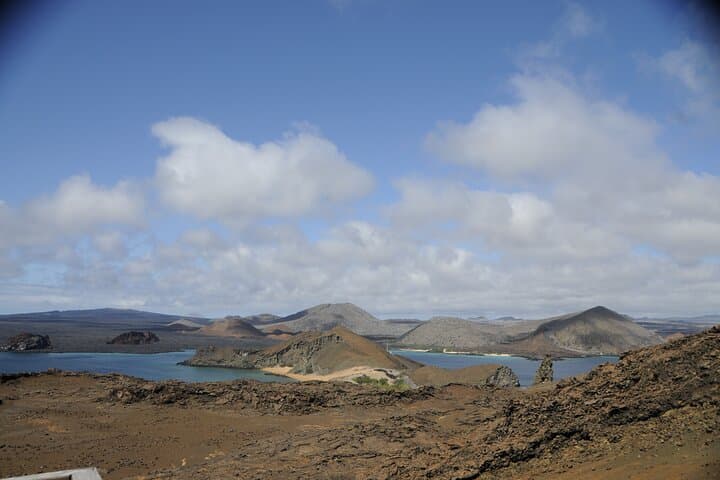
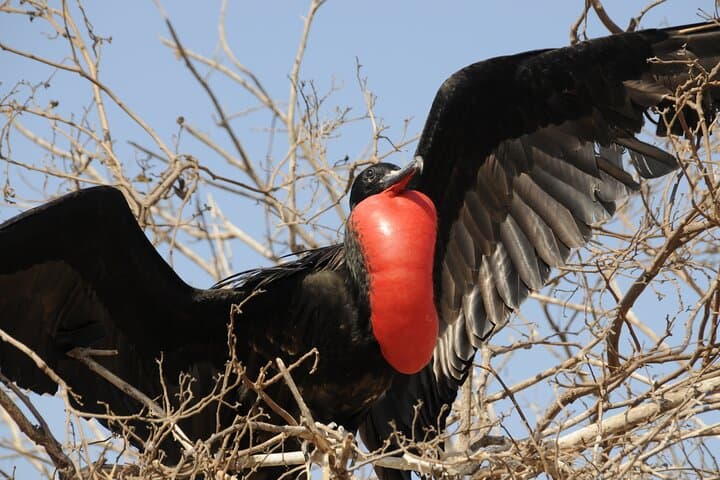
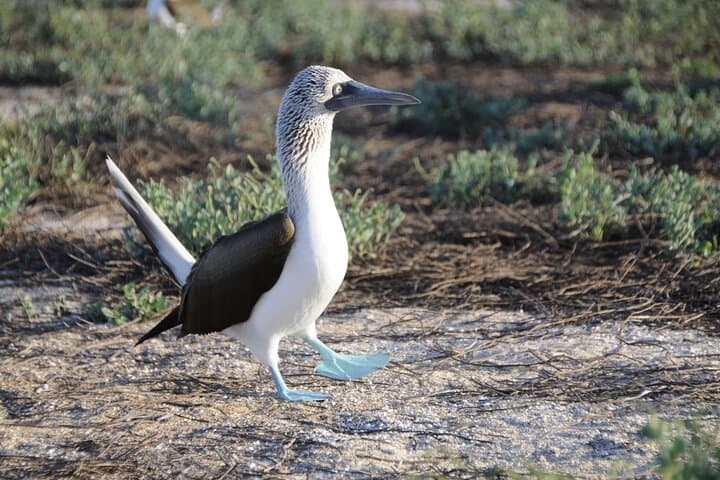
A salty wind lifts off turquoise water as your boat slides between black volcanic shoulders and white sand. On day one you step into a landscape where giant tortoises cross dusty ranch roads with the deliberate patience of old guards, and blue-footed boobies puncture the sky like punctuation marks. The islands move with their own rhythm: surf, scrub, cactus forest and reef.
A salty wind lifts off turquoise water as your boat slides between black volcanic shoulders and white sand. On day one you step into a landscape where giant tortoises cross dusty ranch roads with the deliberate patience of old guards, and blue-footed boobies puncture the sky like punctuation marks. The islands move with their own rhythm: surf, scrub, cactus forest and reef.
Geology here is recent and raw—basalt flows and uplifted lava benches shape coves and beaches that host species found nowhere else. Charles Darwin’s visit in 1835 put these islands on the map of scientific history; later human activity—whaling, settlement and ranching—left quieter cultural traces visible in Puerto Ayora’s harbor and highland fincas.
Expect daily small-boat runs between landings, guided coastal walks, and snorkeling in clear currents where sea lions and reef sharks weave through coral bommies. Guides emphasize biosecurity and close observation—animals approach on their terms, not yours. The itinerary balances relaxed mornings with active afternoons: 30–90 minute hikes over uneven volcanic trails, shallow reef swims and short zodiac transfers.
Practical edge: bring reef-safe sunscreen, a snug snorkel mask, quick-dry layers and a refillable water bottle. Seas can be choppy—pack motion-sickness meds if you’re sensitive. Most guests of average fitness can participate; basic swimming competence is required for snorkeling. Time visits around the shoulder seasons—for calmer seas and better marine visibility—or choose warmer months for more tropical surface temperatures.
This seven-day loop out of Puerto Ayora delivers focused wildlife encounters and daily water time, designed to show the Galapagos’ ecological quirks without a heavy expedition pace.