THE ADVENTURE COLLECTIVE® · Independent discovery and booking for outdoor travel

Spend 2–3 hours in Santa Cruz Highlands exploring Los Gemelos sinkholes, a private giant tortoise reserve, and a lava tube with a certified Galapagos naturalist. Small-group format offers close wildlife viewing and geology-focused interpretation.
Spend 2–3 hours in Santa Cruz Highlands exploring Los Gemelos sinkholes, a private giant tortoise reserve, and a lava tube with a certified Galapagos naturalist. Small-group format offers close wildlife viewing and geology-focused interpretation.
Early mist hangs in the highland forest as you step out of the van—the air cooler here than on the shore, leaves slick with volcanic dust. The trail slopes gently between stout scalesia and ferns, and then the island opens: Los Gemelos, twin collapse craters whose vertical walls cut a dramatic line through the canopy. Your naturalist guide points out endemic plants and the hush where giant tortoises graze.
Verified experiences and guided adventures in the surrounding area.
Operated by Galapagos Outdoors CL · Puerto Ayora, Galápagos
Early mist hangs in the highland forest as you step out of the van—the air cooler here than on the shore, leaves slick with volcanic dust. The trail slopes gently between stout scalesia and ferns, and then the island opens: Los Gemelos, twin collapse craters whose vertical walls cut a dramatic line through the canopy. Your naturalist guide points out endemic plants and the hush where giant tortoises graze.
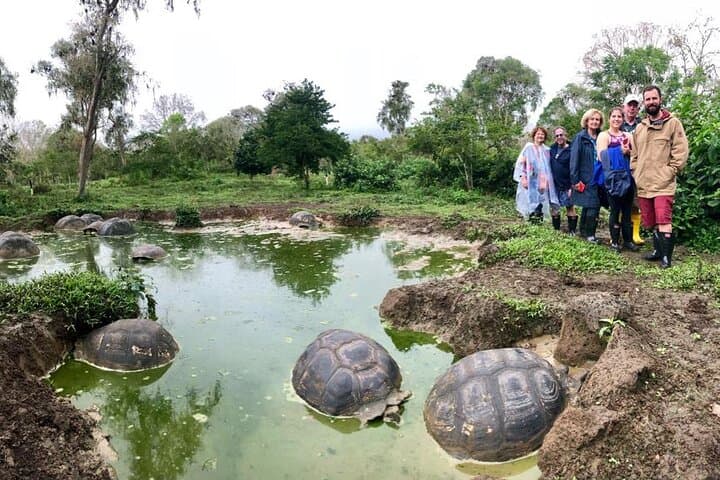
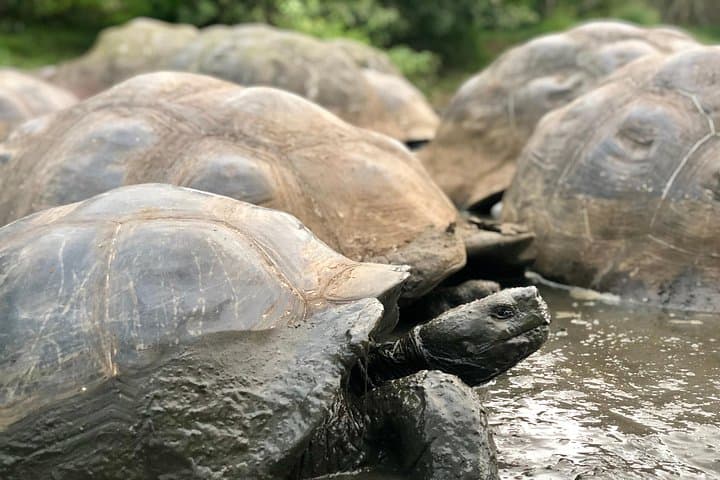
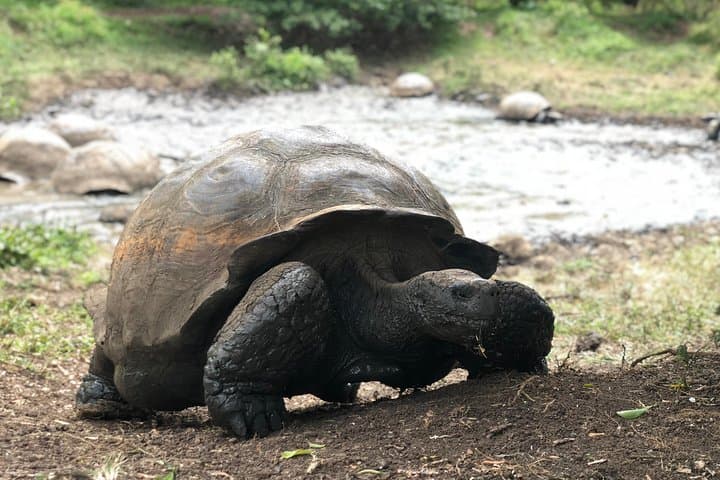
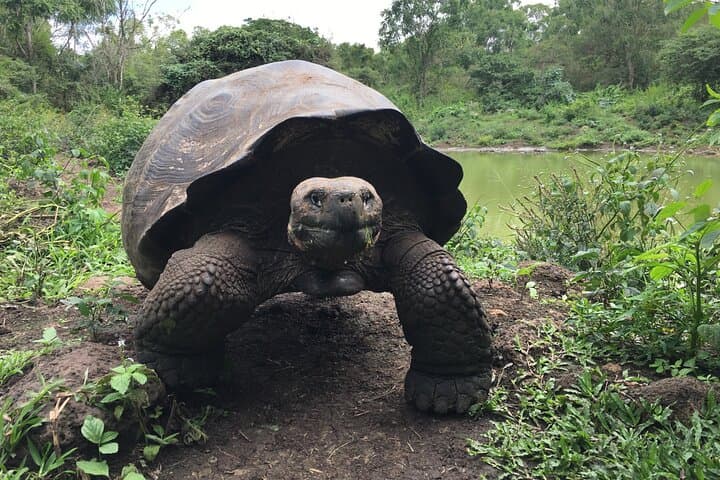
This short private circuit threads three geological and ecological chapters of Santa Cruz. The sinkholes are collapse features formed where old lava tubes and porous layers gave way; nearby lava tubes offer a subterranean cross-section of island formation—the hardened skin and hollow core left by streaming flows. The highland tortoise reserve sits in the humid agricultural band, where Chelonoidis nigra moves slowly through grass and shrubby brush, a living link to both Darwinian study and local conservation efforts.
Expect interpretive stops more than strenuous hiking: gentle walks, wildlife viewing at close but regulated distance, and a walk through a cooled lava tube. Guides emphasize biosecurity—boots and hands clear of foreign seeds—and the cultural history of colonists and ranching that reshaped the highlands.
Practical edge: the tour runs roughly 2–3 hours, often in small private groups. Wear sturdy, closed-toe shoes for muddy or uneven paths, bring sun protection and at least 1 liter of water, and layer for quick shifts between warm valleys and cooler highlands. Cameras welcome, but keep voices low and follow guide instructions—this is a close-encounter wildlife experience governed by park rules.
easy.
2–3 hours.
Suitable for most fitness levels; involves short walks on uneven terrain and low-altitude stairs into a lava tube
Guides bring you into a reserve where tortoises move freely; visitors observe at close but regulated distances—touching is prohibited and the guide enforces spacing.
The lava tube segment is an easy, short walk; lighting varies so a stable footing and moderate mobility are sufficient—your guide will point out features and provide safety instruction.
No separate permits are required beyond park entrance rules enforced by the operator; bring your Galápagos Park card if you have one and your booking confirmation.
Yes—it's listed as easy and suitable for most fitness levels, but very young children and guests with serious mobility issues should check with the operator ahead of booking.
The Galápagos are volcanic in origin and gained scientific prominence after Darwin’s visit in 1835; Santa Cruz’s highlands later became ranching and agricultural zones reshaping native vegetation.
Visits are managed under park rules to minimize disturbance; biosecurity measures and small-group limits help protect endemic species and fragile highland soils.
Galapagos Outdoors CL operates guided outdoor trips and adventures with an emphasis on safety, stewardship, and memorable experiences.
Early mist hangs in the highland forest as you step out of the van—the air cooler here than on the shore, leaves slick with volcanic dust. The trail slopes gently between stout scalesia and ferns, and then the island opens: Los Gemelos, twin collapse craters whose vertical walls cut a dramatic line through the canopy. Your naturalist guide points out endemic plants and the hush where giant tortoises graze.
Early mist hangs in the highland forest as you step out of the van—the air cooler here than on the shore, leaves slick with volcanic dust. The trail slopes gently between stout scalesia and ferns, and then the island opens: Los Gemelos, twin collapse craters whose vertical walls cut a dramatic line through the canopy. Your naturalist guide points out endemic plants and the hush where giant tortoises graze.
This short private circuit threads three geological and ecological chapters of Santa Cruz. The sinkholes are collapse features formed where old lava tubes and porous layers gave way; nearby lava tubes offer a subterranean cross-section of island formation—the hardened skin and hollow core left by streaming flows. The highland tortoise reserve sits in the humid agricultural band, where Chelonoidis nigra moves slowly through grass and shrubby brush, a living link to both Darwinian study and local conservation efforts.
Expect interpretive stops more than strenuous hiking: gentle walks, wildlife viewing at close but regulated distance, and a walk through a cooled lava tube. Guides emphasize biosecurity—boots and hands clear of foreign seeds—and the cultural history of colonists and ranching that reshaped the highlands.
Practical edge: the tour runs roughly 2–3 hours, often in small private groups. Wear sturdy, closed-toe shoes for muddy or uneven paths, bring sun protection and at least 1 liter of water, and layer for quick shifts between warm valleys and cooler highlands. Cameras welcome, but keep voices low and follow guide instructions—this is a close-encounter wildlife experience governed by park rules.