THE ADVENTURE COLLECTIVE® · Independent discovery and booking for outdoor travel

A four-day, budget-friendly introduction to the Galapagos based on Santa Cruz: kayak Tortuga Bay, visit the Charles Darwin Station, cycle volcanic lanes, and spot giant tortoises in the highlands. Practical, wildlife-focused days with conservation-minded guides.
A four-day, budget-friendly introduction to the Galapagos based on Santa Cruz: kayak Tortuga Bay, visit the Charles Darwin Station, cycle volcanic lanes, and spot giant tortoises in the highlands. Practical, wildlife-focused days with conservation-minded guides.
Morning light spills over volcanic ridges as travelers step off Baltra and into the slow, deliberate rhythm of the Galapagos. Guides meet you at the airport and the group moves across the Itabaca Channel toward Puerto Ayora, where the sea and shoreline wildlife set the tempo: sea lions claim the pier, iguanas sun themselves on lava rock, and the ocean currents tease colorful fish into view.
Verified experiences and guided adventures in the surrounding area.
Operated by Ecuador Galapagos Travels · Puerto Ayora, Galápagos
Morning light spills over volcanic ridges as travelers step off Baltra and into the slow, deliberate rhythm of the Galapagos. Guides meet you at the airport and the group moves across the Itabaca Channel toward Puerto Ayora, where the sea and shoreline wildlife set the tempo: sea lions claim the pier, iguanas sun themselves on lava rock, and the ocean currents tease colorful fish into view.
The islands are living geology — shield volcanoes and hardened lava flows shaped 1.5 million years ago — and cultural history arrives quietly through Charles Darwin’s 1835 visit, a visit that helped frame modern ideas of evolution. On Santa Cruz, highland farms, lava tunnels, and the Charles Darwin Research Station reveal conservation work and the local human relationship with a fragile ecosystem.
Expect active, approachable days: a 45-minute coastal walk to Tortuga Bay, guided kayak outings through calm bays, a small boat hop to La Lobería and the Shark Channel, and a bicycle loop over rust-colored volcanic terrain to coffee farms and secluded beaches. Wildlife encounters are frequent and unhurried; guides emphasize low-impact observation and strict park rules.
Practicalities matter: tides, sun, and brief tropical showers shape each day. Bring reef-safe sunscreen, a light rain shell, comfortable footwear for volcanic rock, and a water bottle you can refill. Fitness of a moderate level helps — many transfers are short but the excursions involve paddling, walking on uneven ground, and short climbs. With planning, this four-day route balances accessibility, wildlife viewing, and a grounded introduction to one of the world’s most protected archipelagos.
moderate.
4 days.
Moderate fitness: able to walk 45–90 minutes on uneven ground and paddle short distances.
Yes—foreign visitors need a valid passport; the Galapagos National Park entrance fee is paid on arrival (amount varies by nationality) and is separate from tour costs.
Activities are generally moderate: short hikes (45–90 minutes), short kayak sessions, and easy cycling on mostly quiet roads—basic fitness is recommended.
This budget tour includes breakfasts and at least one lunch during transfers; accommodations are listed as 2.5-star hotels in Puerto Ayora.
Yes—snorkeling and swimming are included in bay visits; bring reef-safe sunscreen and a mask, and follow guide safety briefings.
Charles Darwin visited key islands in 1835; observations here helped shape his ideas about natural selection.
The Galapagos are a national park and UNESCO site with strict visitor rules; tours work closely with conservation programs to limit impact and control invasive species.
Ecuador Galapagos Travels operates guided outdoor trips and adventures with an emphasis on safety, stewardship, and memorable experiences.
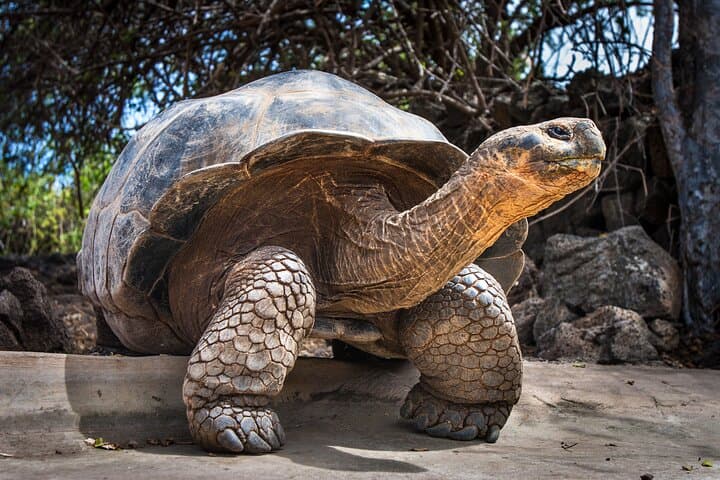
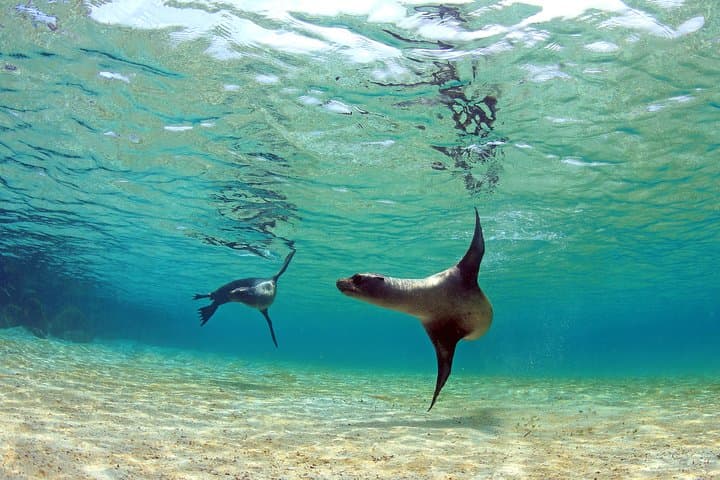
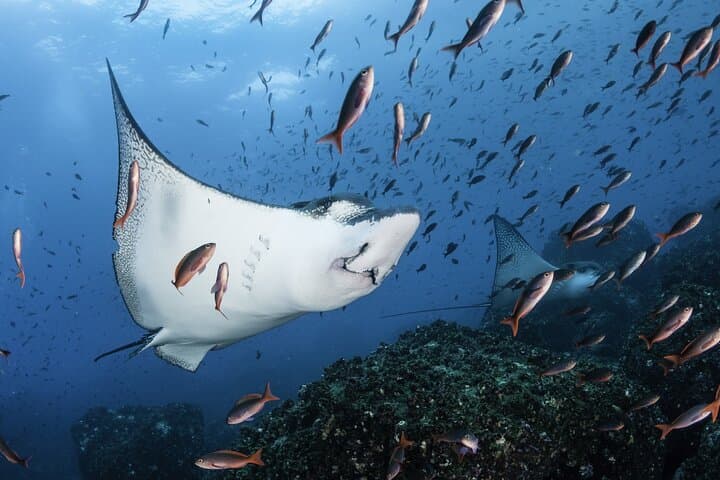
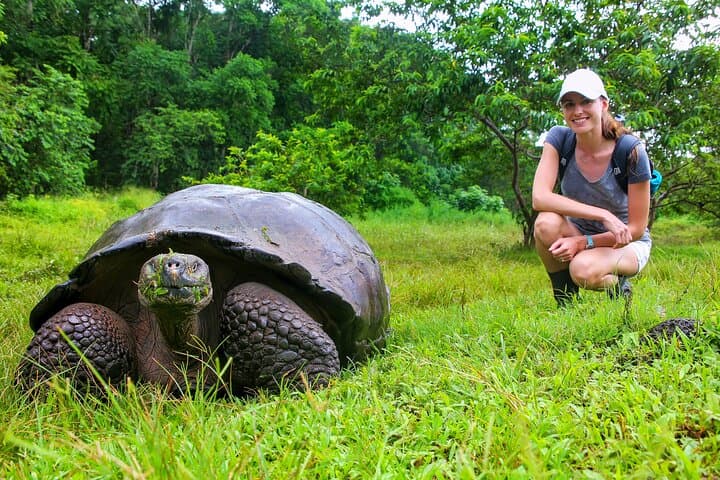
Morning light spills over volcanic ridges as travelers step off Baltra and into the slow, deliberate rhythm of the Galapagos. Guides meet you at the airport and the group moves across the Itabaca Channel toward Puerto Ayora, where the sea and shoreline wildlife set the tempo: sea lions claim the pier, iguanas sun themselves on lava rock, and the ocean currents tease colorful fish into view.
Morning light spills over volcanic ridges as travelers step off Baltra and into the slow, deliberate rhythm of the Galapagos. Guides meet you at the airport and the group moves across the Itabaca Channel toward Puerto Ayora, where the sea and shoreline wildlife set the tempo: sea lions claim the pier, iguanas sun themselves on lava rock, and the ocean currents tease colorful fish into view.
The islands are living geology — shield volcanoes and hardened lava flows shaped 1.5 million years ago — and cultural history arrives quietly through Charles Darwin’s 1835 visit, a visit that helped frame modern ideas of evolution. On Santa Cruz, highland farms, lava tunnels, and the Charles Darwin Research Station reveal conservation work and the local human relationship with a fragile ecosystem.
Expect active, approachable days: a 45-minute coastal walk to Tortuga Bay, guided kayak outings through calm bays, a small boat hop to La Lobería and the Shark Channel, and a bicycle loop over rust-colored volcanic terrain to coffee farms and secluded beaches. Wildlife encounters are frequent and unhurried; guides emphasize low-impact observation and strict park rules.
Practicalities matter: tides, sun, and brief tropical showers shape each day. Bring reef-safe sunscreen, a light rain shell, comfortable footwear for volcanic rock, and a water bottle you can refill. Fitness of a moderate level helps — many transfers are short but the excursions involve paddling, walking on uneven ground, and short climbs. With planning, this four-day route balances accessibility, wildlife viewing, and a grounded introduction to one of the world’s most protected archipelagos.