THE ADVENTURE COLLECTIVE® · Independent discovery and booking for outdoor travel

Spend a half day on Santa Cruz exploring a giant tortoise reserve, walking ancient lava tunnels and photographing the dramatic Los Gemelos craters. This practical tour blends close wildlife encounters with clear geological context and local conservation insight.
Spend a half day on Santa Cruz exploring a giant tortoise reserve, walking ancient lava tunnels and photographing the dramatic Los Gemelos craters. This practical tour blends close wildlife encounters with clear geological context and local conservation insight.
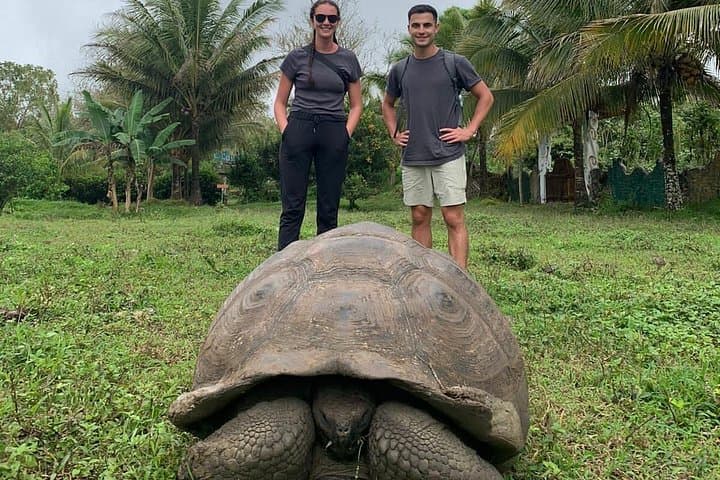
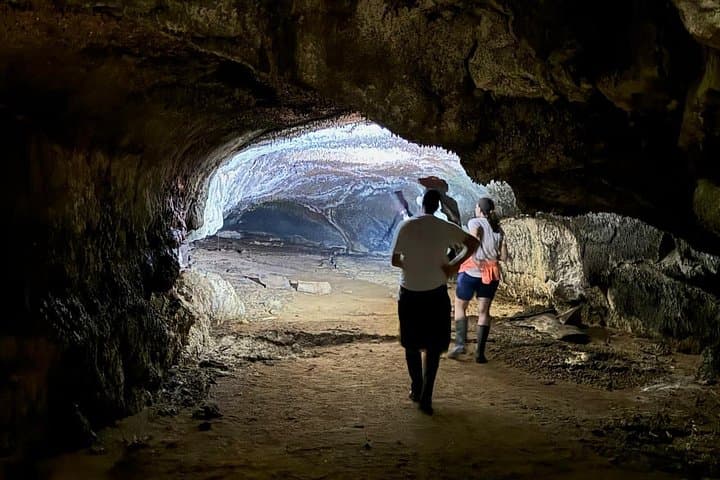
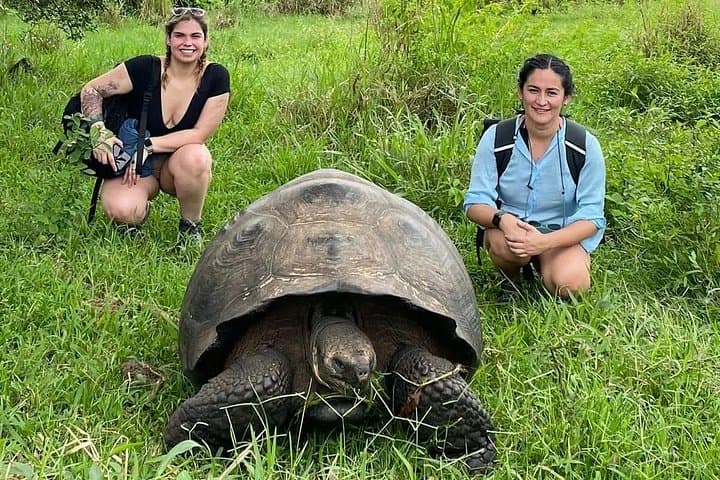
You step off the minivan into a scrubby highland where breath of eucalyptus and the hush of endemic forest meet. Giant tortoises sun themselves on dusty trails and the guide’s voice threads facts into the quiet: these animals have shaped both landscape and conservation policy here. Later, the earth narrows into blackened corridors — lava tunnels that whisper the island’s volcanic past — and a short taxi ride brings you to Los Gemelos, two vast sinkholes rimmed by cloud-forest that frame wide, bird-filled skies.
Verified experiences and guided adventures in the surrounding area.
Operated by Galápagos frontier · Puerto Ayora, Galápagos Province
You step off the minivan into a scrubby highland where breath of eucalyptus and the hush of endemic forest meet. Giant tortoises sun themselves on dusty trails and the guide’s voice threads facts into the quiet: these animals have shaped both landscape and conservation policy here. Later, the earth narrows into blackened corridors — lava tunnels that whisper the island’s volcanic past — and a short taxi ride brings you to Los Gemelos, two vast sinkholes rimmed by cloud-forest that frame wide, bird-filled skies.
Santa Cruz wears history in its ground. The tortoise reserve is part of long-term breeding and habitat restoration work dating to the early 20th century; the tunnels are relics of pahoehoe and aa flows that constructed the central highlands. Local culture is small-island practical: ranching, cacao and agriculture in the highlands, and a tourism economy centered on careful encounters with endemic species.
Practically, this is a half-day shared tour (about five hours). Expect moderate walking on uneven, sometimes muddy trails; a flashlight for the tunnels; and limited shade at lookout points. Guides explain species ID, conservation measures, and safe viewing distances. Respect roped areas at Los Gemelos and avoid feeding wildlife — the islands’ ecology is fragile and invasives are a constant threat.
Timing matters: mornings often provide cooler air and more active birds; later in the day tortoises are easier to find sunning. Bring water, sun protection, sturdy shoes, and a small pack; the experience balances easy access with unforgettable, up-close glimpses of Galápagos wildness.
moderate.
5 hours.
Moderate fitness — comfortable with up to a few miles of uneven walking and short uphill sections
The tour runs about five hours with roughly 1–3 miles of walking over uneven and sometimes muddy trails; pace is moderate with stops for wildlife viewing.
Yes — the reserve allows close observation following guide rules; you must not touch or feed the tortoises to protect them.
The visit to the Los Gemelos viewpoint typically does not include a guide on-site, but the tour provides transport and time to observe from designated lookouts.
Children who can manage stairs and uneven paths generally do well; it’s not recommended for travelers with serious spinal, heart, or mobility issues due to trail conditions.
Santa Cruz’s highlands were formed by repeated volcanic flows; conservation programs on the island date back to early breeding centers established in the 20th century.
The Galápagos National Park enforces strict rules to limit disturbance and control invasive species; stay on trails and follow guide instructions to minimize ecological impact.
Galápagos frontier operates guided outdoor trips and adventures with an emphasis on safety, stewardship, and memorable experiences.
You step off the minivan into a scrubby highland where breath of eucalyptus and the hush of endemic forest meet. Giant tortoises sun themselves on dusty trails and the guide’s voice threads facts into the quiet: these animals have shaped both landscape and conservation policy here. Later, the earth narrows into blackened corridors — lava tunnels that whisper the island’s volcanic past — and a short taxi ride brings you to Los Gemelos, two vast sinkholes rimmed by cloud-forest that frame wide, bird-filled skies.
You step off the minivan into a scrubby highland where breath of eucalyptus and the hush of endemic forest meet. Giant tortoises sun themselves on dusty trails and the guide’s voice threads facts into the quiet: these animals have shaped both landscape and conservation policy here. Later, the earth narrows into blackened corridors — lava tunnels that whisper the island’s volcanic past — and a short taxi ride brings you to Los Gemelos, two vast sinkholes rimmed by cloud-forest that frame wide, bird-filled skies.
Santa Cruz wears history in its ground. The tortoise reserve is part of long-term breeding and habitat restoration work dating to the early 20th century; the tunnels are relics of pahoehoe and aa flows that constructed the central highlands. Local culture is small-island practical: ranching, cacao and agriculture in the highlands, and a tourism economy centered on careful encounters with endemic species.
Practically, this is a half-day shared tour (about five hours). Expect moderate walking on uneven, sometimes muddy trails; a flashlight for the tunnels; and limited shade at lookout points. Guides explain species ID, conservation measures, and safe viewing distances. Respect roped areas at Los Gemelos and avoid feeding wildlife — the islands’ ecology is fragile and invasives are a constant threat.
Timing matters: mornings often provide cooler air and more active birds; later in the day tortoises are easier to find sunning. Bring water, sun protection, sturdy shoes, and a small pack; the experience balances easy access with unforgettable, up-close glimpses of Galápagos wildness.